
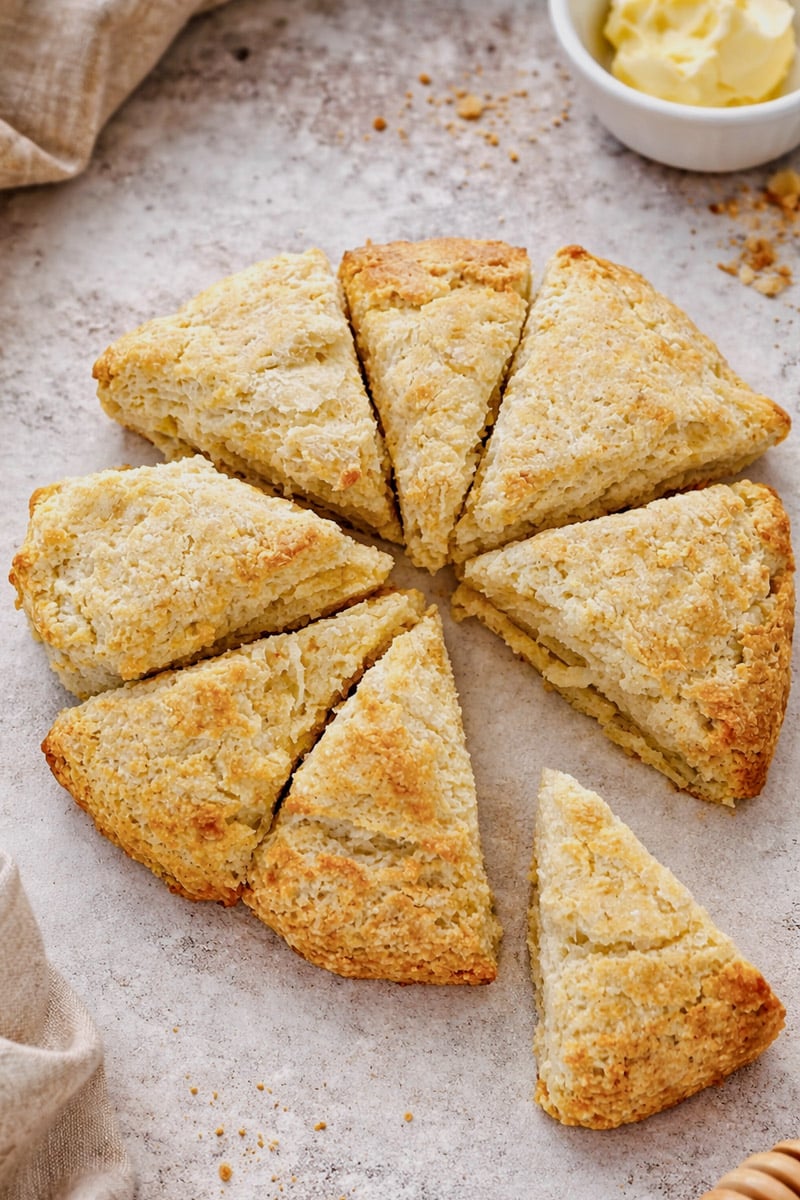
This authentic Scottish scones recipe is incredibly easy to make, producing soft, flaky, and crumbly scones that pair beautifully with clotted cream, butter, or jam. Whether you enjoy them with a cup of tea or a strong caffè latte, these Scottish scones are a must-try!
If you like this recipe you might like my Sourdough Banana Bread or my Gingerbread Loaf Cake.
This article contains affiliate links which support us at no extra cost to you.
Jump To
- 💖Why You'll Love This Scottish Scone Recipe
- What is a Traditional Scottish Scone?
- What is a good scone?
- 🛒 Ingredients for Authentic Scottish Scones
- How to Make Scottish Scones
- What to serve with Scottish scones?
- 🫙 Leftover and Storing
- 📃 Substitutions & Variations
- ☑️ Expert Tips for the Best Scottish Scones
- FAQ's
- Some other scones recipes you'll love:
- 📖 Recipe
- Authentic Scottish Scones
Originally published March 2011 and updated for content on February 2025.
A lazy Saturday morning deserves a scone fresh out of the oven slathered with your favorite jam. Any morning deserves a scone fresh out of the oven!
There's nothing quite like authentic Scottish scones-soft, crumbly, and perfect for afternoon tea. This Scottish scones recipe is simple yet rich in tradition, using teaspoons of baking powder to create that light, tender texture.
Unlike other scone recipes, these are slightly less sweet, making them perfect for pairing with clotted cream and jam. Whether you're enjoying them for high tea, cream tea, or simply as a comforting treat, these tea scones bring a taste of Scotland to your table.
When making scones, it's important to mix the dough gently in a large bowl and to be sure to not overwork it. The key to these traditional Scottish scones is to pat the dough out lightly before cutting, which creates a delicate crumb.
Baked on a sheet pan until golden brown, they emerge warm, fluffy, and utterly irresistible. Serve them fresh with tea and scones, and you'll have the perfect pairing for a cozy afternoon. If you're looking for the best Scottish recipes, this Scotch scones recipe is a must-try!
I usually make pancakes or waffles on the weekend. My family recently has been requesting scones. I have been making scones over the years for the kids with different kind of chips (butterscotch, chocolate, white chocolate) and with fruits. I never make them with just freshly grated lemon zest.
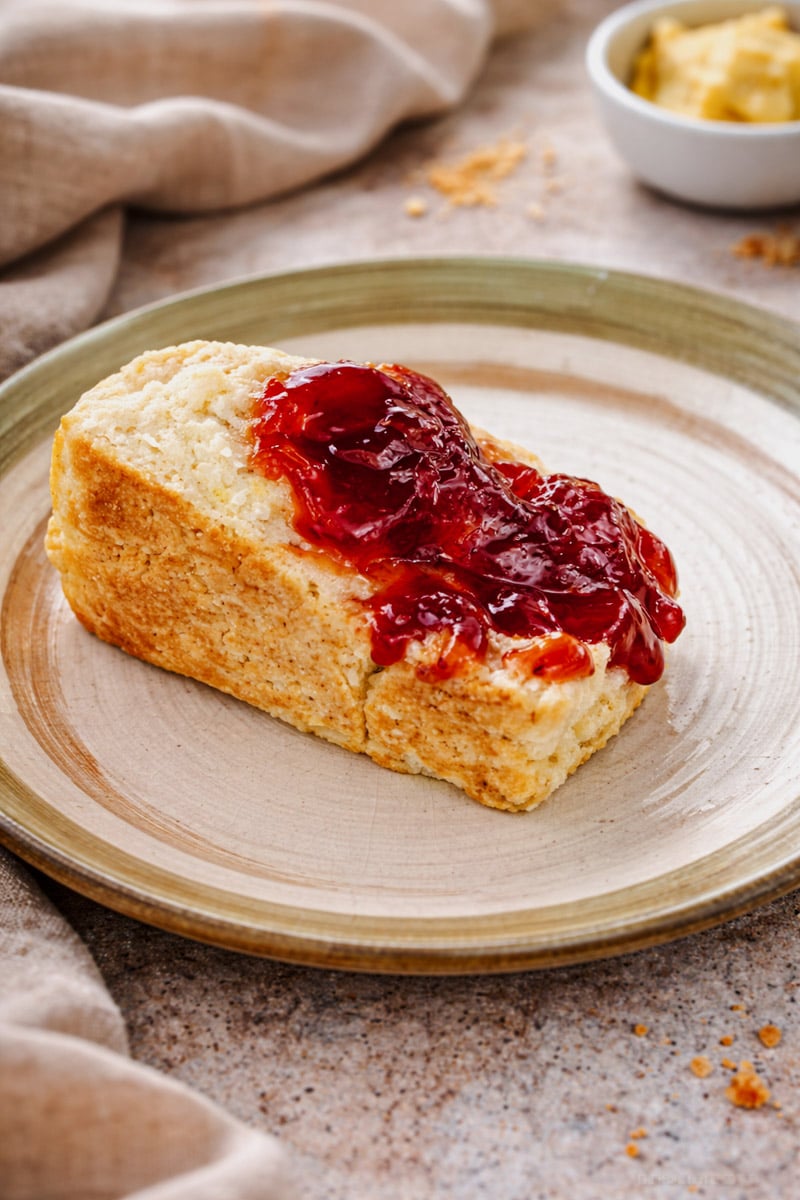
I mentioned recently I've been finally catching up on recipes I wanted to try from Molly Wizenberg's A Homemade Life. This was one of the recipes in the book I marked to try and it is a definite keeper! The tangy zest of the lemon mixed with the sweetness of the strawberry jam is exquisite. Delicate scones go wonderfully with a hot cup of tea or strong caffe' latte. Let's get onto this simple recipe!
💖Why You'll Love This Scottish Scone Recipe
- Authentic Taste: A classic Scottish scone with a light, tender crumb.
- Simple Ingredients: Uses pantry staples like flour, baking powder, and milk.
- Perfect for Afternoon Tea: Serve warm with jam and cream.
- Quick & Easy: Ready in under 30 minutes!
What is a Traditional Scottish Scone?
A Scottish scone is slightly less sweet than an English scone, often enjoyed with clotted cream, butter, or jam. It's known for its light, fluffy texture and golden brown crust.
What is a good scone?
My brother came over the other day and he was asking me what makes a really good, or rather, great scone? He asked how should the texture be? Hard? Soft? So I explained the texture should be crumbly and soft. Definitely it should not be tough and the less you work the dough, the more delicate your scone will be!
🛒 Ingredients for Authentic Scottish Scones
- ½ cup milk you could use almond, oat or coconut milk
- 1 egg
- 2 cups all-purpose flour
- 2 tsp baking powder
- ½ tsp salt
- zest of one lemon
- ½ stick 2 ounces unsalted butter, cubed and chilled (use vegan butter sticks if you like)
- 3 Tbs sugar
How to Make Scottish Scones
Step 1: Prepare the Dough
- Preheat oven to 400°F (200°C).
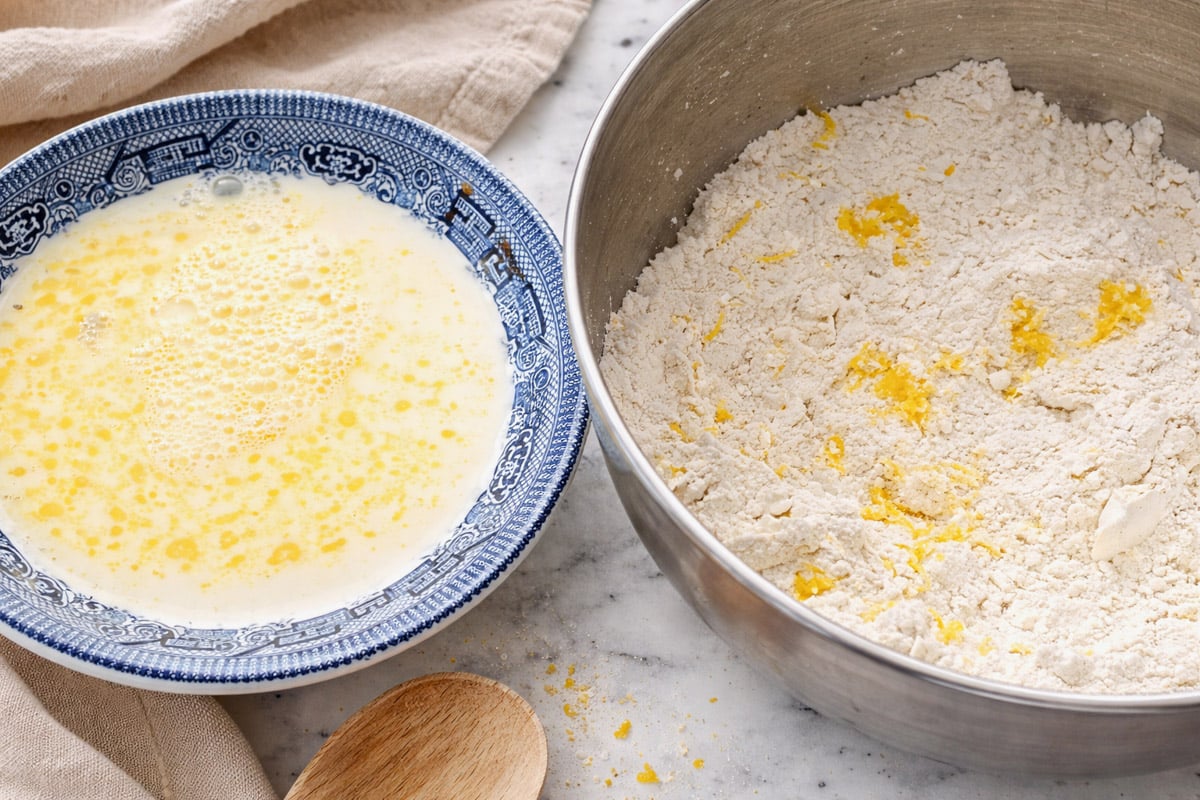
- In a small bowl, whisk together the milk and the egg and then set aside. In a large bowl, whisk together the flour, baking powder, lemon zest, and salt.
- Cut in chilled butter using a pastry cutter or fingertips until the mixture resembles coarse crumbs.
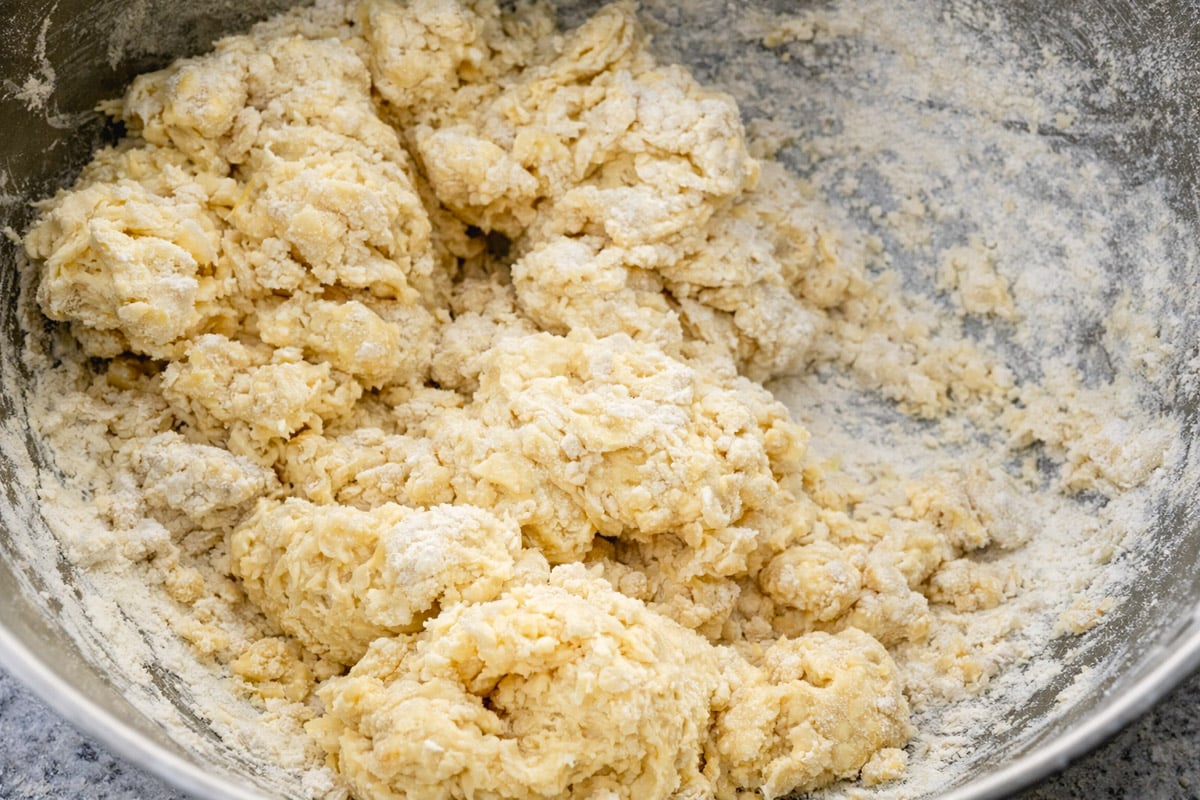
- Rub the butter into the flour mixture, working until you have no lumps bigger than a pea. Add the sugar and toss to mix. Add the wet ingredients into the dry ingredients and stir to combine. Bring dough together gently with a wooden spoon.
Step 2: Form the Scones
- Gradually add wet ingredients to the dry ingredients, stirring gently.
- Bring the dough together using a wooden spoon or hands-do not overwork the dough! Turn dough out onto a lightly floured counter and knead it no more than 12 times. [Apparently, twelve is the magic number here; surpass it at your own risk.]
- Transfer to a lightly floured surface and pat into a 1-inch thick round.
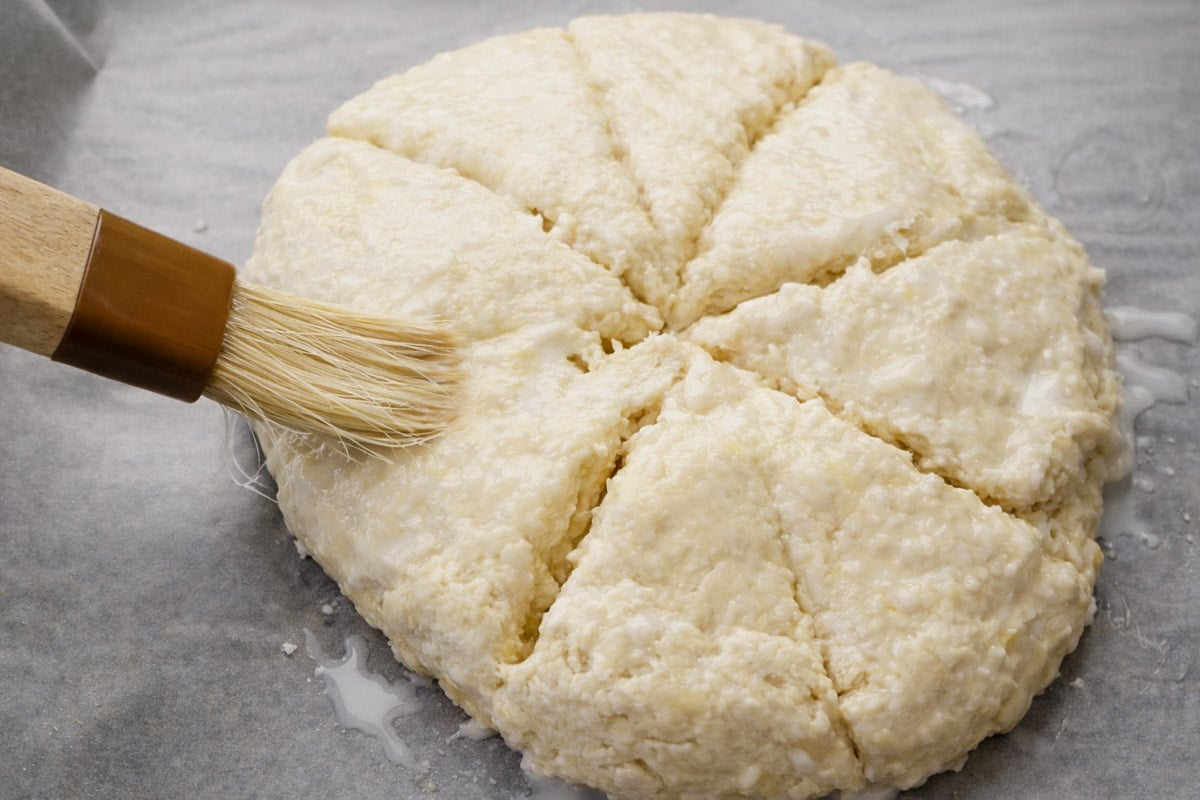
- Cut into 8 wedges and place on a lined baking sheet.
Step 3: Bake the Scones
- Brush tops with a little milk for a golden finish.
- Bake for 20-25 minutes until golden brown.
- Cool on a rack and serve with your favorite jam, or butter and honey.
What to serve with Scottish scones?
- Clotted Cream & Jam
- Butter & Honey
- Lemon Curd
- Tea or Coffee
🫙 Leftover and Storing
- Room Temperature: Store in an airtight container for up to 2 days.
- Refrigeration: Not necessary, but can last up to 5 days.
- Freezing: Freeze unbaked scones for up to 3 months. Bake straight from frozen, adding a few extra minutes.
📃 Substitutions & Variations
- Buttermilk Scottish Scones: Replace milk with buttermilk for extra tenderness.
- Fruit Scones: Add raisins, dried cranberries, or currants to the dough.
- Oatmeal Scones: Replace ½ cup flour with rolled oats for a hearty texture.
- Cheese Scones: Add shredded cheddar for a savory twist.
- Gluten-Free Scones: Use a gluten-free flour blend instead of all-purpose flour.
☑️ Expert Tips for the Best Scottish Scones
- Chill the Butter: Cold butter creates flaky layers.
- Don't Overwork the Dough: Mix until just combined to avoid tough scones.
- Use Fresh Baking Powder: Ensures a good rise and soft texture.
- Serve Warm: Scottish scones taste best fresh out of the oven!
FAQ's
Scottish scones are fluffier and less sweet, while English scones are denser and served with clotted cream.
Scones originated in Scotland, but English cream teas popularized them.
Scones originated in Scotland in the 1500s, first made with oats on a griddle. Scottish scones are light and crumbly, while Irish scones are denser with buttermilk or fruit. Both are tea-time favorites!
Yes! Bake at 350°F for 10-12 minutes until golden brown.
Traditionally served warm with butter, jam, or clotted cream.
Absolutely! These scones pair perfectly with tea, jam, and cream for a classic cream tea experience.
In Scotland, a scone is simply called a scone, just like in the rest of the UK. However, authentic Scottish scones tend to be slightly less sweet and are often enjoyed with clotted cream and jam or served with butter and honey.
Some other scones recipes you'll love:
Did you make this and love it? Please RATE THE RECIPE below:)
I would LOVE IT if you can leave me a star rating and a review down below and let me know your thoughts! It means the world to me to hear how you liked it.
Please Subscribe and give a follow on Instagram, Facebook, Pinterest, and TikTok xx
📖 Recipe

Authentic Scottish Scones
Equipment
- large baking sheet
Ingredients
- ½ cup milk you could use almond, oat or coconut milk
- 1 egg
- 2 cups all-purpose flour
- 2 teaspoon baking powder
- ½ teaspoon salt
- zest of one lemon
- ½ stick 2 ounces unsalted butter, cubed and chilled (use vegan butter sticks if you like)
- 3 Tbs sugar
Instructions
Prepare the dough:
- Preheat oven to 400 degrees Fahrenheit.
- In a small bowl, whisk together the milk and the egg and then set aside. In a large bowl, whisk together the flour, baking powder, lemon zest, and salt.
- Rub the butter into the flour mixture, working until you have no lumps bigger than a pea. Add the sugar and toss to mix.
Form the Scones:
- Add the wet ingredients into the dry ingredients and stir to combine. Bring dough together gently with a wooden spoon.
- Turn dough out onto a lightly floured counter and knead it no more than 12 times. [Apparently, twelve is the magic number here; surpass it at your own risk.] Pat dough into a round approximately 1-inch thick, and cut into 8 wedges. Place on an ungreased baking sheet or a Silpat.
- Using a pastry brush, brush milk onto the wedges.
Bake the Scones:
- Bake for approximately 20-25 minutes, or until golden. Cool on a rack and serve with your favorite jam.
Nutrition Disclaimer
Please keep in mind that the nutritional information presented below is an approximation and may vary depending on the exact ingredients used.
I have been making these scones for years. Just wanted you to know, they are the best!! THANK YOU!
Hi Julia-So happy you enjoy the scones recipe. They are our favorite!! Happy Baking! XX
This is the best recipe for scones I've ever come across. They turned out so light and crumbly! I have to admit I did use heavy cream but needed to use about another half cup of milk to get the right dough consistency.
Fell in love with scones during my travels in Scotland and this recipe is just like the ones I remember.
Many thanks...
Hello-Thank you so much for letting me know you enjoyed the recipe! I would love to try scones in Scotland. That's so nice that this reminds you of the ones you had there. Happy Baking!
I love scones. Yours sound wonderful lemon flavor.
I do find that I take things around me for granted rushing from here to there never really paying attention; then sometimes I catch myself and take the time to stop and realize the beauty around me. I can see why you MIL was so fascinated by those trees; they are very unique looking, nothing like hat up north:)