
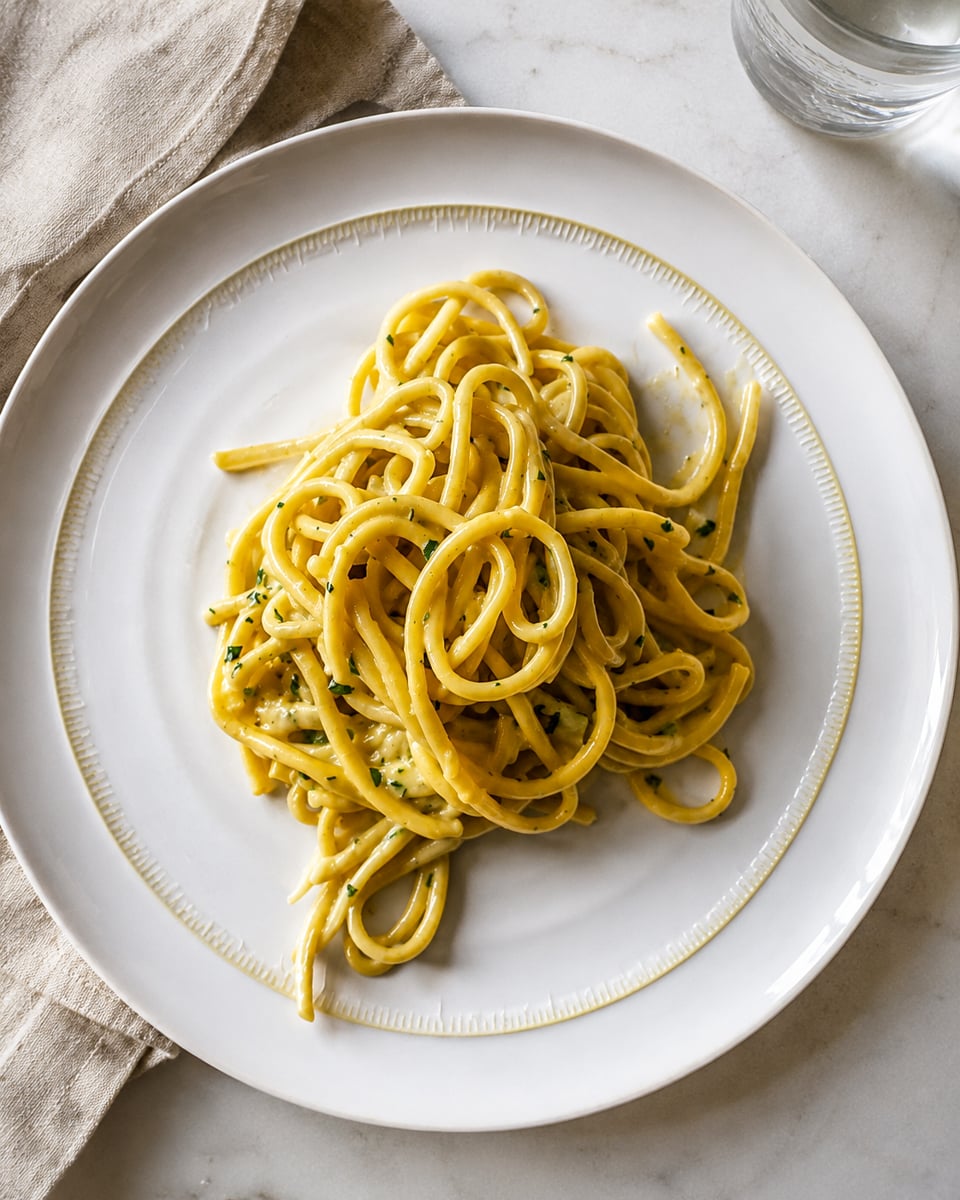
Silky, rich, deeply satisfying bucatini alla carbonara made the authentic Roman way - no cream, no milk, just egg yolks, guanciale or pancetta, Pecorino Romano, and a little pasta water to bring it all together. Ready in 25 minutes.
If you love the classic pasta dishes of Rome, our guide to the 4 Traditional Roman Pasta Recipes covers carbonara alongside cacio e pepe, amatriciana, and gricia - and our Pasta alla Norma is the Sicilian answer when you want something different.
This article contains affiliate links which support us at no extra cost to you.
Originally published February 2018 and updated May 2025
I have eaten bucatini alla carbonara in Rome, and I have watched my mother-in-law Teresa make it in her kitchen in Italy using pancetta she cured herself. Carbonara is not a complicated dish. It is a precise one. The difference between a silky, creamy sauce and a pan of scrambled eggs comes down to heat, speed, and knowing when to pull the pan off the flame. I have made this recipe more times than I can count, and I want to give you everything I know so you get it right on the first try.
Why bucatini instead of spaghetti? Bucatini is a thick, hollow pasta - like spaghetti with a channel running through the center. That hollow core traps the sauce inside every strand, so each bite delivers more carbonara than spaghetti ever could. It is the pasta that makes this dish feel genuinely Roman rather than just Italian-American.
The name carbonara comes from carbonaro, the Italian word for charcoal burner. The dish is believed to have originated as a hearty, filling meal for the workers who burned wood into charcoal in the Apennine mountains. A few ingredients, maximum sustenance. That spirit of simplicity is exactly what makes it so good.
What is Bucatini alla Carbonara?
Bucatini alla Carbonara is a classic Italian pasta dish that features bucatini (a thick spaghetti with a hollow center) tossed with crispy pancetta or bacon, egg yolks, cheese, and black pepper.
The name "carbonara" is believed to come from the Italian word carbonaro, meaning charcoal burner-some say the dish was a hearty meal made for coal workers. It's traditionally made without cream; the silky sauce comes solely from egg yolks, cheese, and starchy pasta water.
Why You'll Love This Recipe
- Built on a real family recipe from Teresa's kitchen in Italy
- No cream - the silky sauce comes entirely from egg yolks, starchy pasta water, and cheese, exactly as it is made in Rome
- Bucatini's hollow center traps the sauce inside every strand for a richer bite than spaghetti
- Ready in 25 minutes with just 6 ingredients
- The technique is explained step by step so the eggs never scramble
Ingredients
- 3 tablespoons extra-virgin olive oil
- 6 ounces thick-cut bacon or pancetta, cut into ¼-inch pieces
- 1 bunch Italian parsley, chopped
- 2 tablespoons sea salt (for the pasta water)
- 1 pound bucatini or spaghetti
- 5 large egg yolks, well beaten
- 4 tablespoons milk (optional, for extra creaminess)
- ¾ cup grated Parmigiano-Reggiano or Pecorino Romano
- ½ cup reserved hot pasta water
- Freshly ground black pepper, to taste

Ingredient Notes:
- Pancetta or Bacon: Guanciale is traditional, but pancetta or thick-cut bacon is an excellent substitute.
- Cheese: Pecorino is sharp and salty-perfect for carbonara-but Parmigiano adds a nutty balance. Use what you prefer or a mix.
- Milk: Not traditional, but a small splash helps emulsify the sauce and can prevent scrambling.
Step-by-Step: How to Make Bucatini alla Carbonara
- Crisp the pancetta: Heat olive oil in a large skillet over medium heat. Add pancetta (or bacon) and cook, stirring often, until golden and crispy. Stir in the chopped parsley. Remove the skillet from heat and set aside.
- Whisk the sauce: In a bowl, beat the egg yolks with milk until smooth. Stir in the grated cheese.
- Boil the pasta: Bring a large pot of water to a boil. Add sea salt, then add bucatini. Cook until just al dente. Reserve ½ cup of the pasta water before draining.
- Combine pasta and pancetta: Return the skillet with pancetta to low heat. Add the drained pasta and reserved pasta water to the pan. Shake and stir to coat the pasta with the rendered fat.
- Make the sauce: Remove the skillet from the heat. Pour in the egg and cheese mixture, stirring vigorously to coat the pasta. The residual heat will gently cook the eggs, creating a silky sauce.
- Season and serve: Season generously with freshly ground black pepper. Plate immediately and top with more cheese and pepper, if desired.
Tips for Success
- Work quickly: Have everything prepped before you start cooking-the sauce comes together fast.
- Use room temp eggs: This helps them blend more easily into the hot pasta.
- Don't overheat: Always remove the pan from direct heat before adding the egg mixture to avoid scrambling.
- Stir constantly: The motion is what keeps the sauce smooth and emulsified.
- Add pasta water as needed: If your sauce looks too thick, a splash of hot pasta water will loosen it right up.

Authentic Bucatini alla Carbonara (Step-by-Step)
Ingredients
- 3 tablespoon extra-virgin olive oil
- 6 ounces thickly sliced bacon or pancetta, cut into ¼-inch pieces
- 1 bunch of Italian parsley chopped
- 2 tablespoons sea salt
- 1 pound spaghetti
- 5 large egg yolks well beaten
- 4 tablespoons milk
- ¾ cup grated Parmigiano-Reggiano or Pecorino Romano
- ½ cup of boiling pasta water
- Freshly ground black pepper to taste
Instructions
- Heat the olive oil in a large skillet over medium heat until it ripples.
- Add the bacon and cook, stirring often, until crisp. Add the chopped parsley and combine. Set the pan aside. Beat the eggs with the milk and set aside.
- Boil water in a a large pot and add the salt. When the water comes to a
- boil, add the bucatini. Stir frequently and cook until it is al dente.
- Drain, reserving the ½ cup of pasta water.
- Add the reserved pasta water to the pan with the pancetta, then toss in
- the pasta. Shake the pan over the heat a few times to combine the pasta
- with the pancetta. Then add the add the Parmigiano and the eggs yolks.
- Add pepper to taste and stir until thoroughly mixed.
- Sprinkle generously with pepper and serve at once. If you can't get enough of cheese, sprinkle some more on!
Nutrition Disclaimer
Please keep in mind that the nutritional information presented below is an approximation and may vary depending on the exact ingredients used.
Notes
- Remove the pan completely from the heat before adding the eggs - this single step is what prevents scrambling.
- Reserve 1 full cup of pasta water, not just ½ cup. You will use it to control the consistency of the sauce.
- Room temperature egg yolks blend more smoothly and are less likely to scramble than cold yolks.
- No cream - the creaminess comes from the egg yolks, the cheese, and the starchy pasta water. Adding cream changes the dish.
- Serve immediately. Carbonara thickens and stiffens within minutes of leaving the pan.
Nutrition
FAQs
Can I use whole eggs instead of just yolks? Yes, but yolks make the sauce richer and creamier. You can use 3 yolks + 1 whole egg if you prefer.
Is it safe to eat the eggs in carbonara? The hot pasta and pan cook the eggs gently. For extra peace of mind, you can use pasteurized eggs.
What if I don't have bucatini? Spaghetti is the most common alternative. Rigatoni or fettuccine also work well.
Why does my carbonara scramble? It likely got too hot. Always remove from heat before adding the eggs, and stir quickly to temper them.
Can I reheat leftovers? Carbonara is best fresh, but reheating gently in a pan with a splash of water or milk can revive it.
I hope this Bucatini alla Carbonara becomes a staple in your kitchen like it is in mine. Let me know in the comments if you try it-I'd love to hear how it turns out. Buon appetito! 🍝

Glad to find you; so easy yet tasteful .... Tornero !
Lovely recipe.