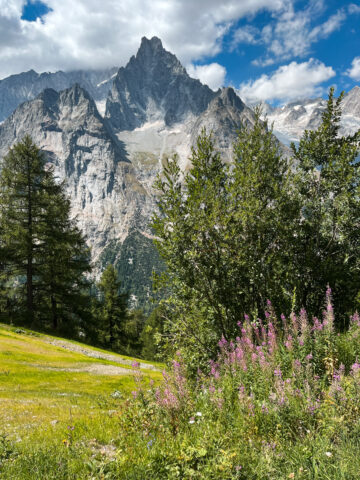
Nestled in the shadow of Mont Blanc and the Matterhorn, the Aosta Valley (Valle d'Aosta) is one of Italy's best-kept secrets. Many of my cousins live here, so I have visited often, and I can say it is absolutely worth visiting. From Roman ruins to alpine adventures and hearty mountain cuisine, our guide covers the best things to do in Aosta and why this charming region deserves a spot on your Italy itinerary.
If you're planning a trip to Aosta, be sure to also check out my travel guides to Turin and Milan, both easy to combine with Aosta for a mix of history, food, and northern Italy city life.
This article contains affiliate links which support us at no extra cost to you.
Jump To
- Where is Aosta Valley?
- 13 Unmissable Things to Do in the Aosta Valley
- How to Get to Aosta
- Best Places to Eat in Aosta Valley
- Getting Around
- Unusual Places in the Aosta Valley
- Typical Products of the Aosta Valley
- Where to Stay in Aosta Valley
- Winter and Summer in the Aosta Valley
- Main Towns in the Aosta Valley
- When to Visit Aosta Valley
- A Brief History of Aosta Valley
- Map of Aosta Italy's Top Places to Visit
- What to See in Aosta and Surroundings
- Map of Aosta Italy Skiing Locations
- Aosta Italy Skiing
- Best Guided Tours
- Explore More of Italy!
I've been coming to the Aosta Valley since I was a kid, my cousins live here, and it's always felt like a second home. Tucked in the Alps between France and Switzerland, this region is Italy's best-kept secret. It's the country's safest and wealthiest region, surrounded by dramatic peaks, charming villages, and a way of life that feels untouched.
Italians love it, but the rest of the world hardly knows it's there. This guide comes from someone who knows Valle d'Aosta like the back of her hand, and I'm here to show you what you've been missing.
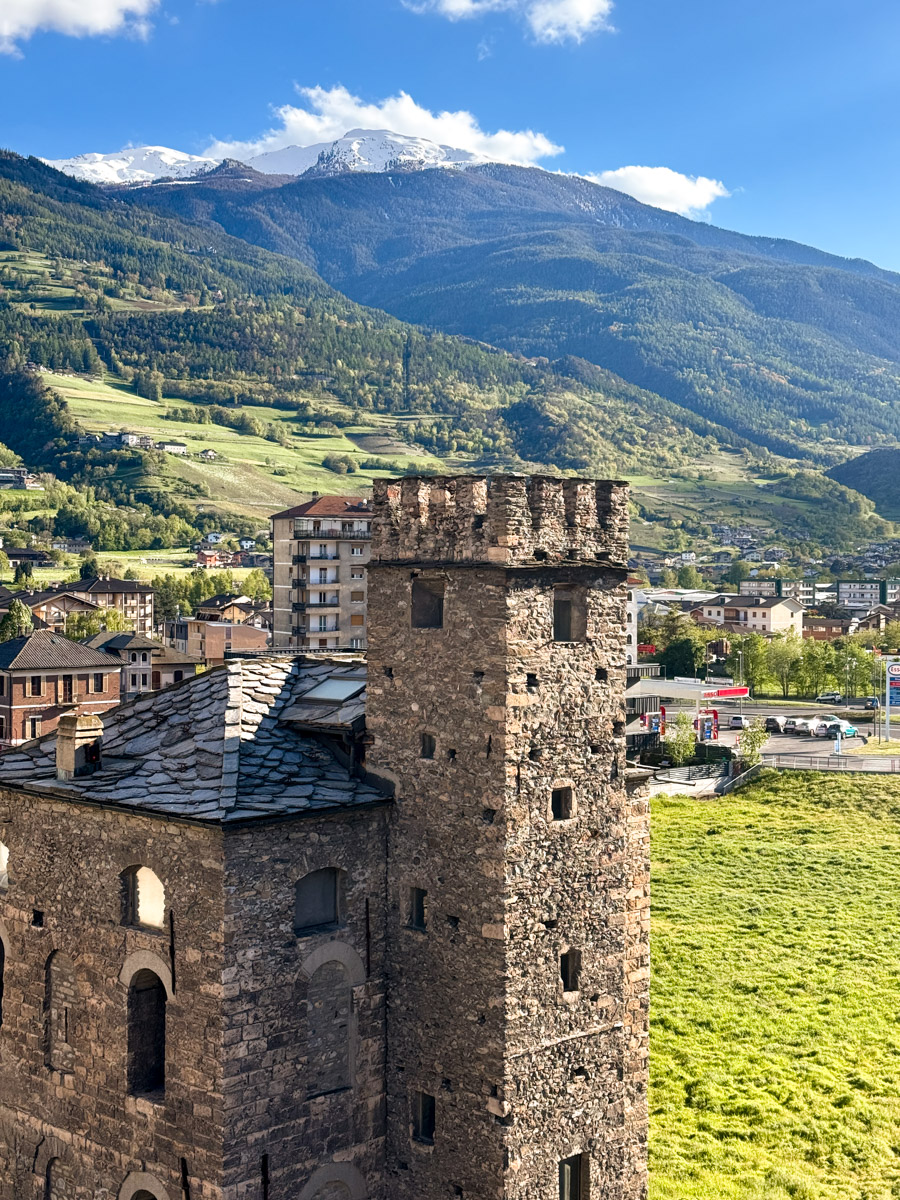
Where is Aosta Valley?
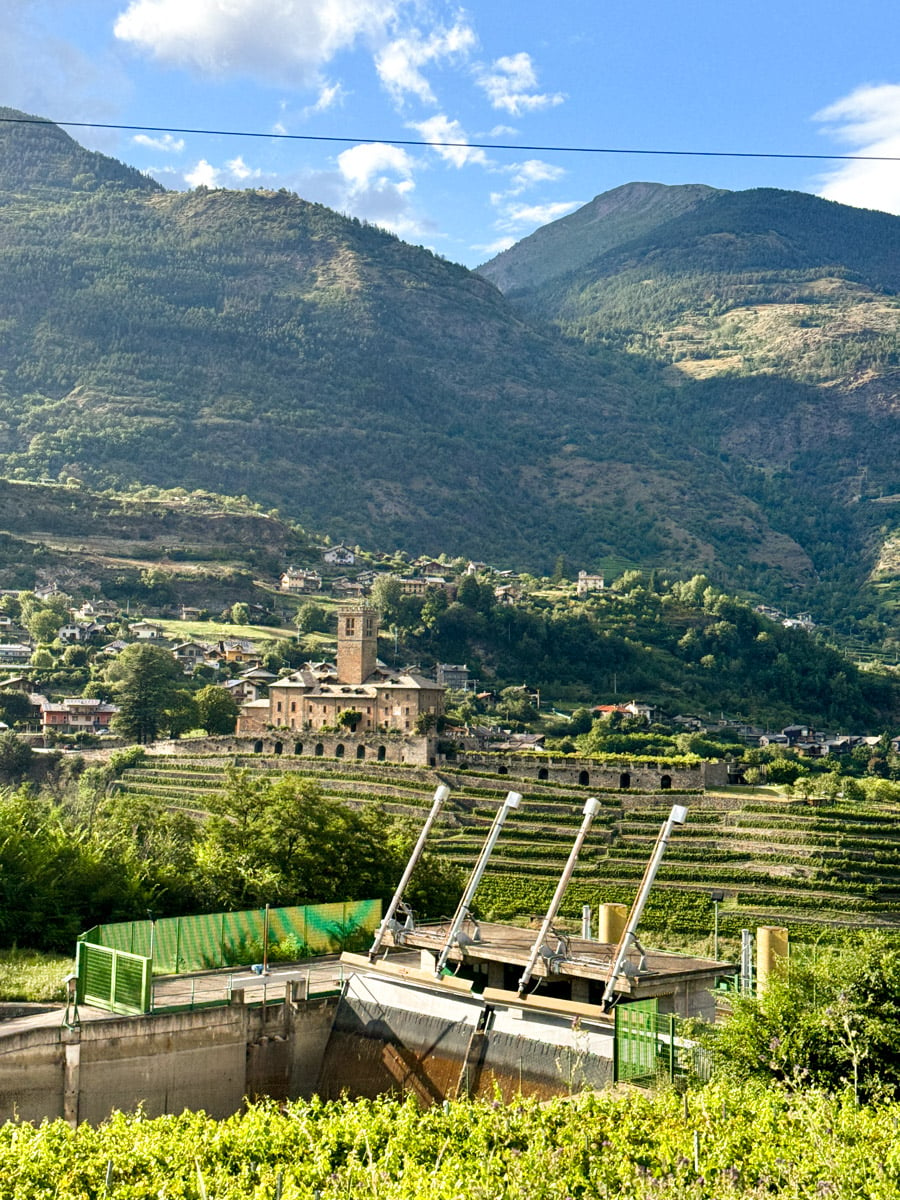
Located in the far northwest of Italy, the Aosta Valley borders France and Switzerland. It's the country's smallest and least populous region with about 128,000 residents. The Dora Baltea River runs through the valley, surrounded by peaks like Mont Blanc, Gran Paradiso, and the Matterhorn.
Why Visit Valle d'Aosta?
Whether you're into history, hiking, skiing, or just soaking in mountain serenity, Valle d'Aosta delivers year-round. This small yet breathtaking Italian region is tucked between France and Switzerland. It's an autonomous region with a fascinating dual-language culture-Italian and French are both official languages.
13 Unmissable Things to Do in the Aosta Valley
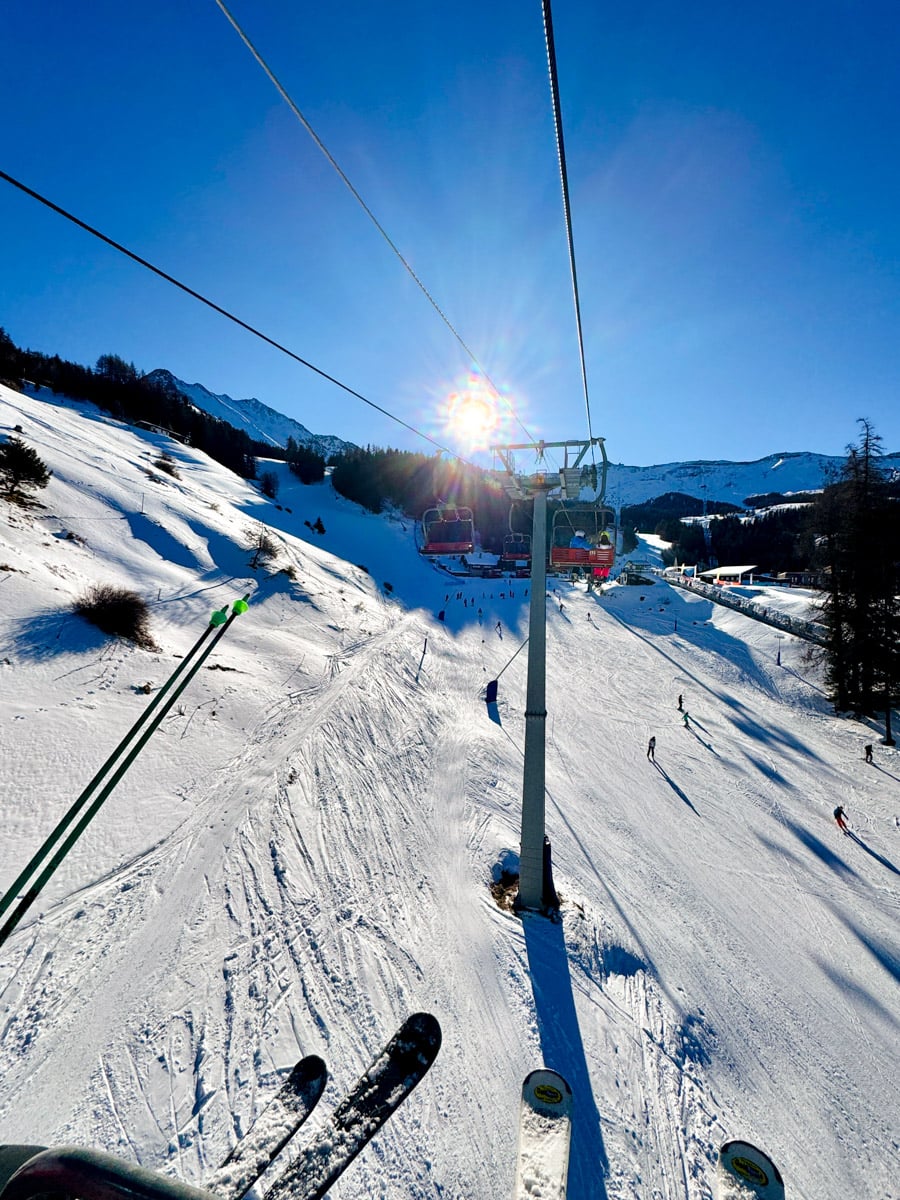
1.Ski at Pila
Enjoy 70km of slopes with stunning alpine views just a short gondola ride from Aosta town.
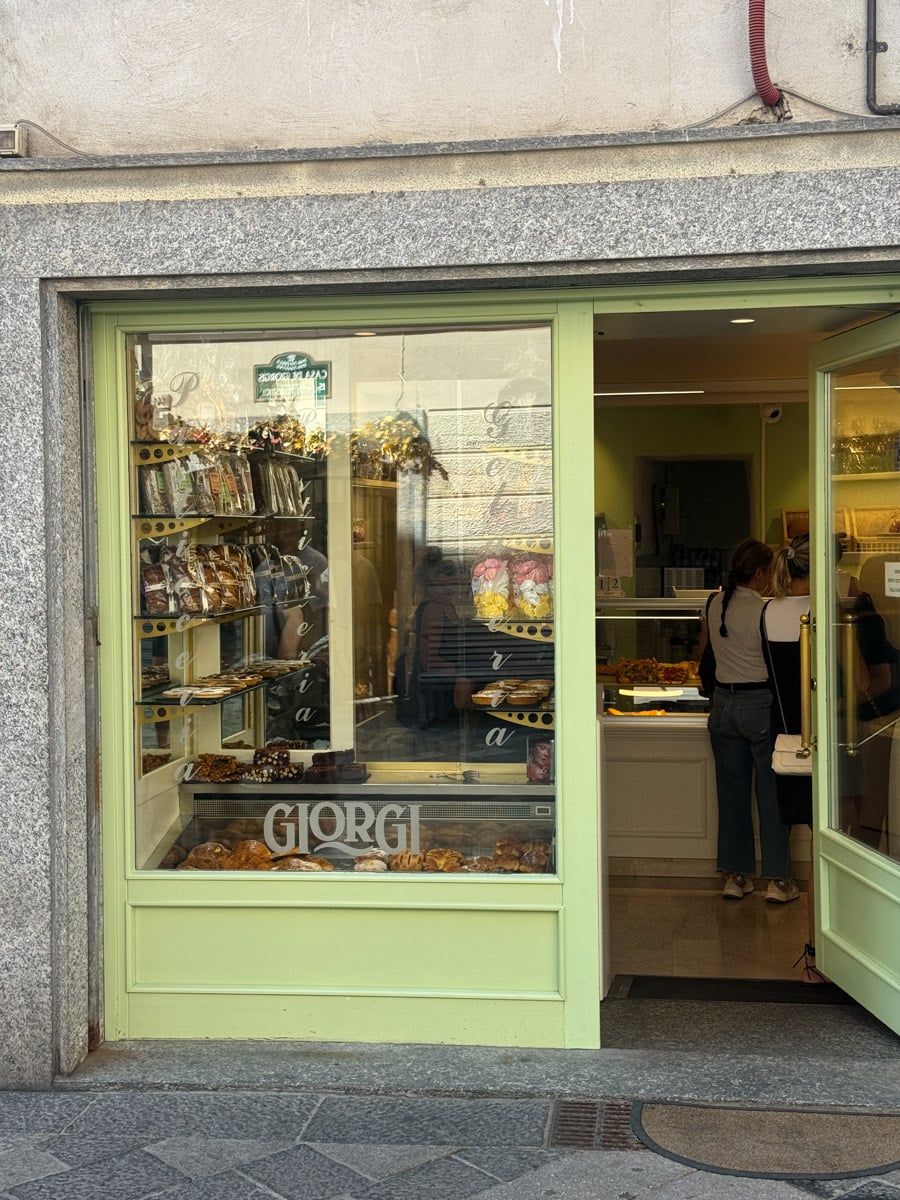
2.Try the pastries at Pasticceria Giorgi
Aosta's most beloved pastry shop for a morning treat or sweet souvenir.
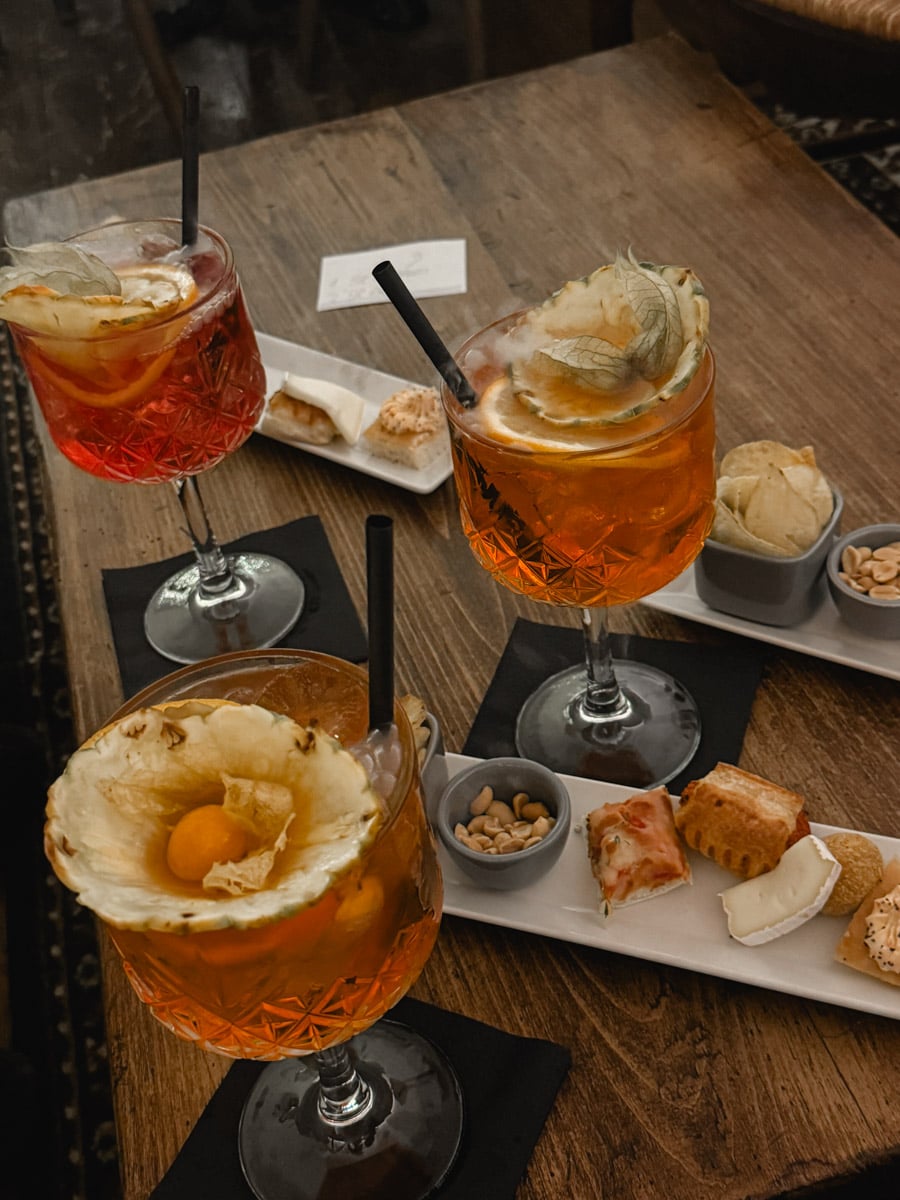
3. Have an aperitivo at Paris Café
Sip an Aperol spritz with mountain views in the heart of Aosta.
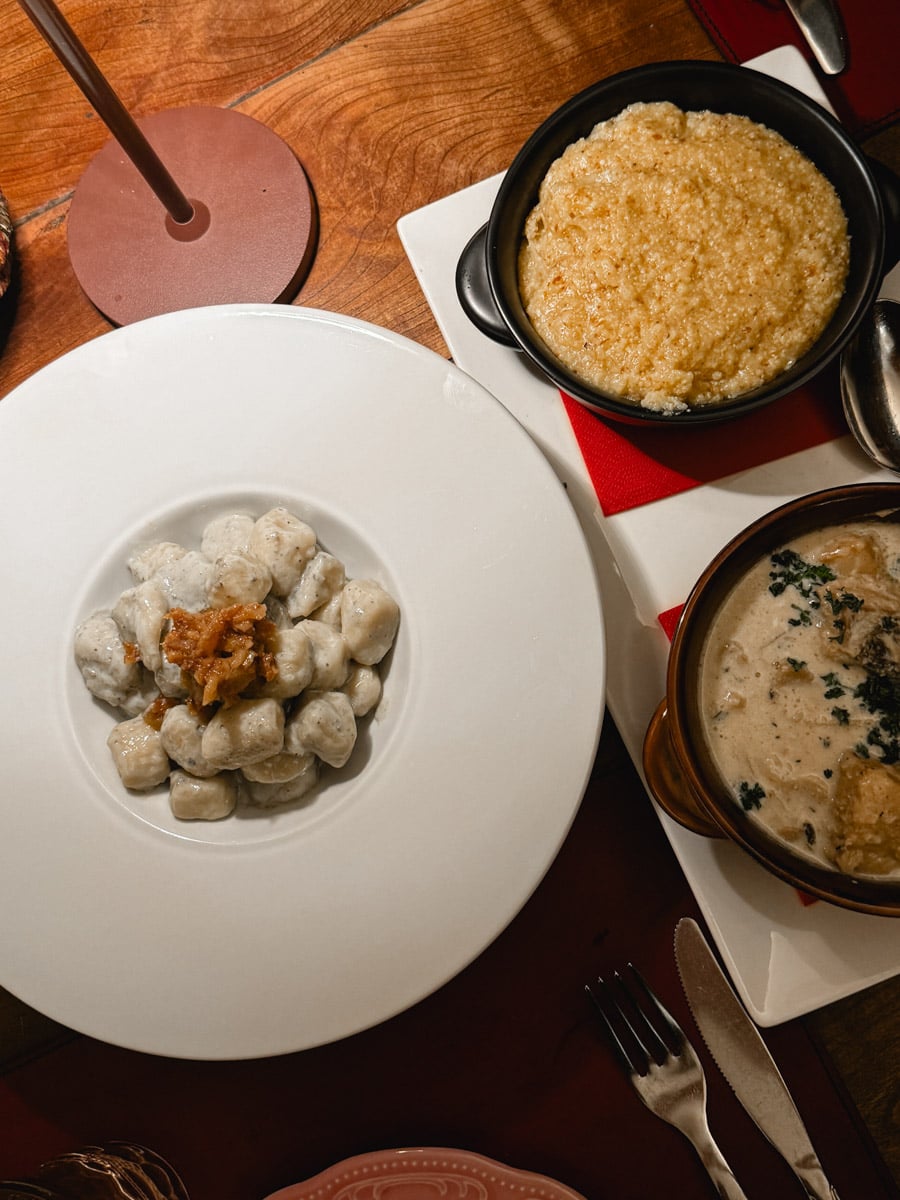
4. Have dinner at L'Osteria
Cozy up with traditional Aostan dishes in this warm and inviting spot.
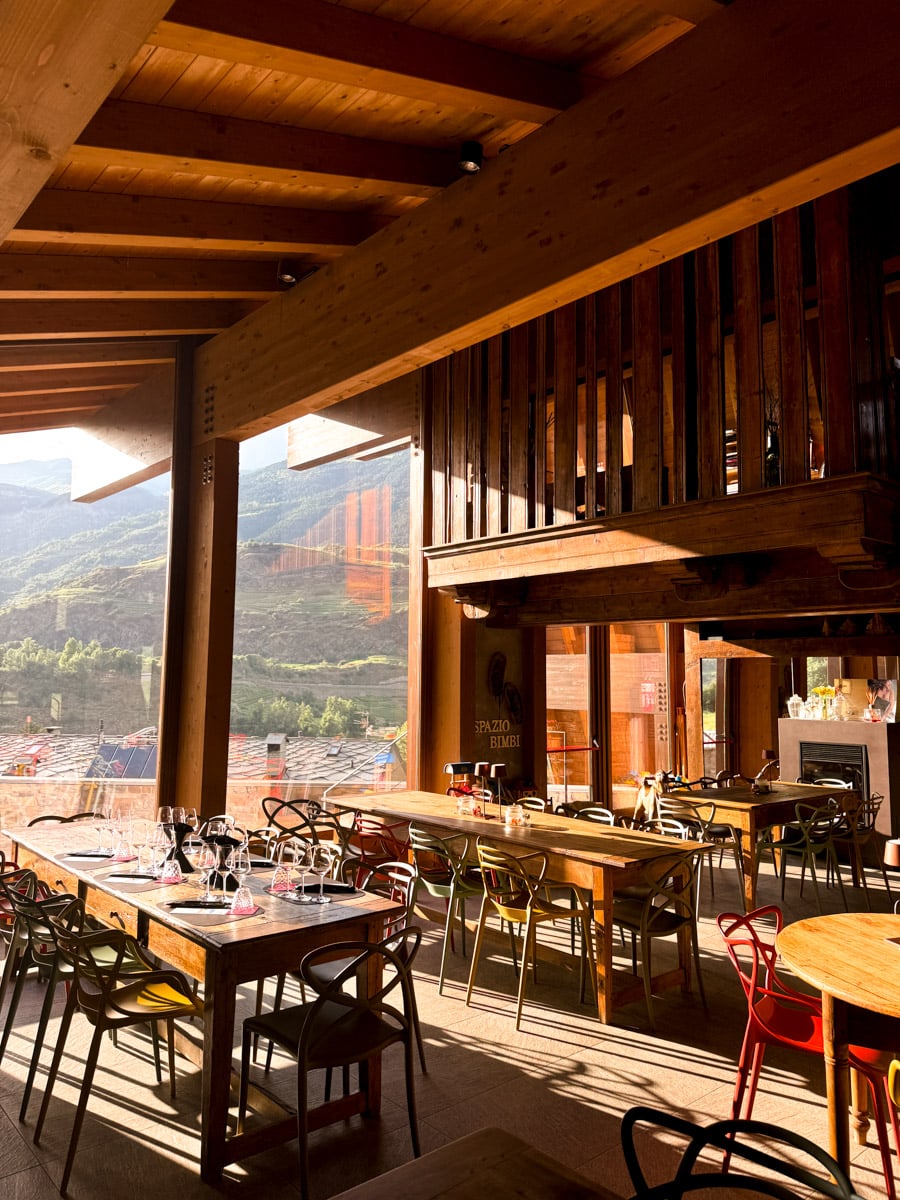
5.Wine tasting at Les Crêtes
Visit one of the region's top wineries near Aymavilles, famous for high-altitude wines.
6.Hike the trails in Gran Paradiso National Park
From gentle walks to challenging climbs, there's a path for every level.
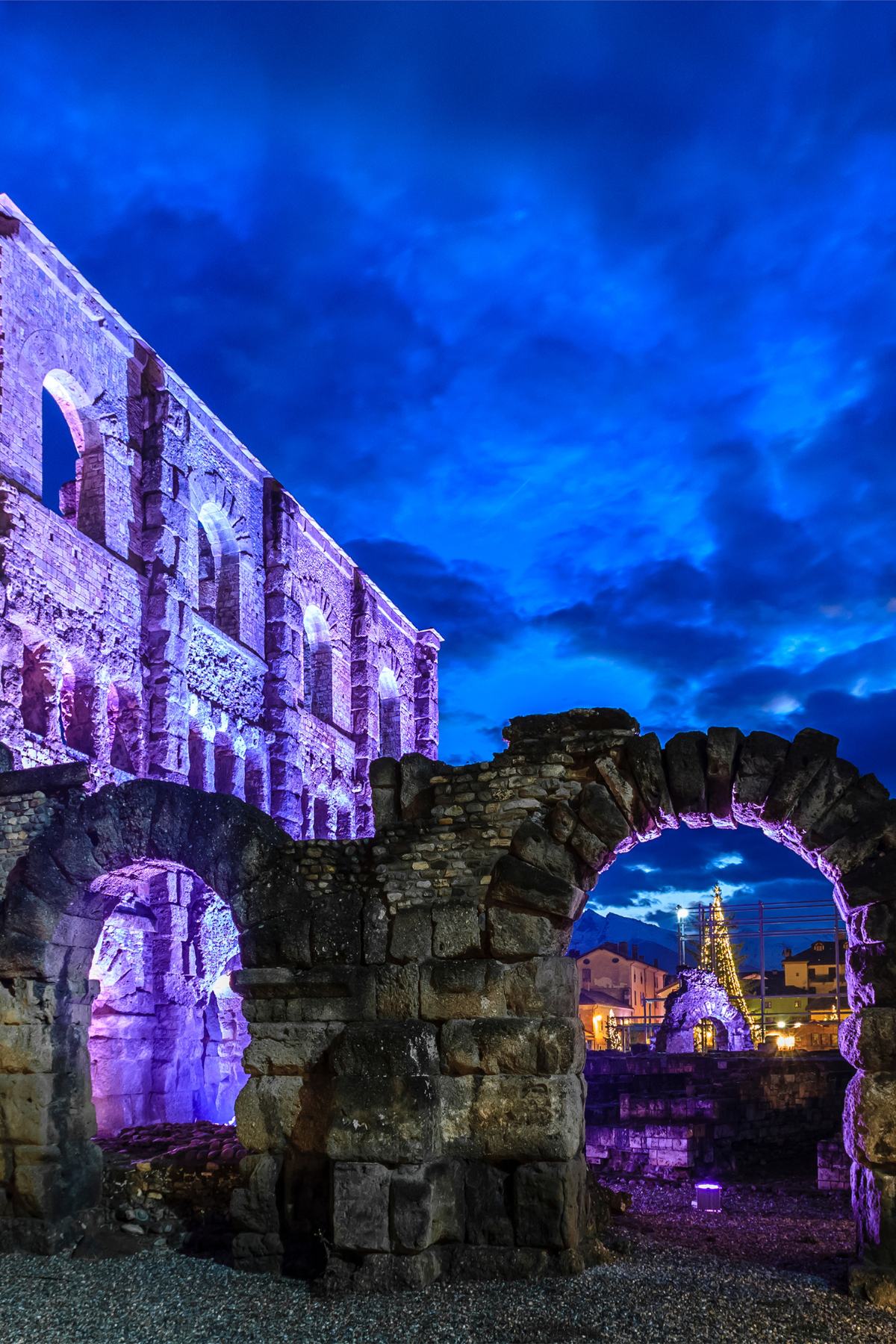
7.Visit the Christmas markets in Aosta
Held in the Roman ruins during December-magical and full of artisanal goods.
8.Relax in the thermal waters at Pré-Saint-Didier
Soak in natural mineral baths with views of Mont Blanc.
9.Explore Roman ruins in Aosta town
Wander the Teatro Romano, Porta Praetoria, and Criptoportico Forense.
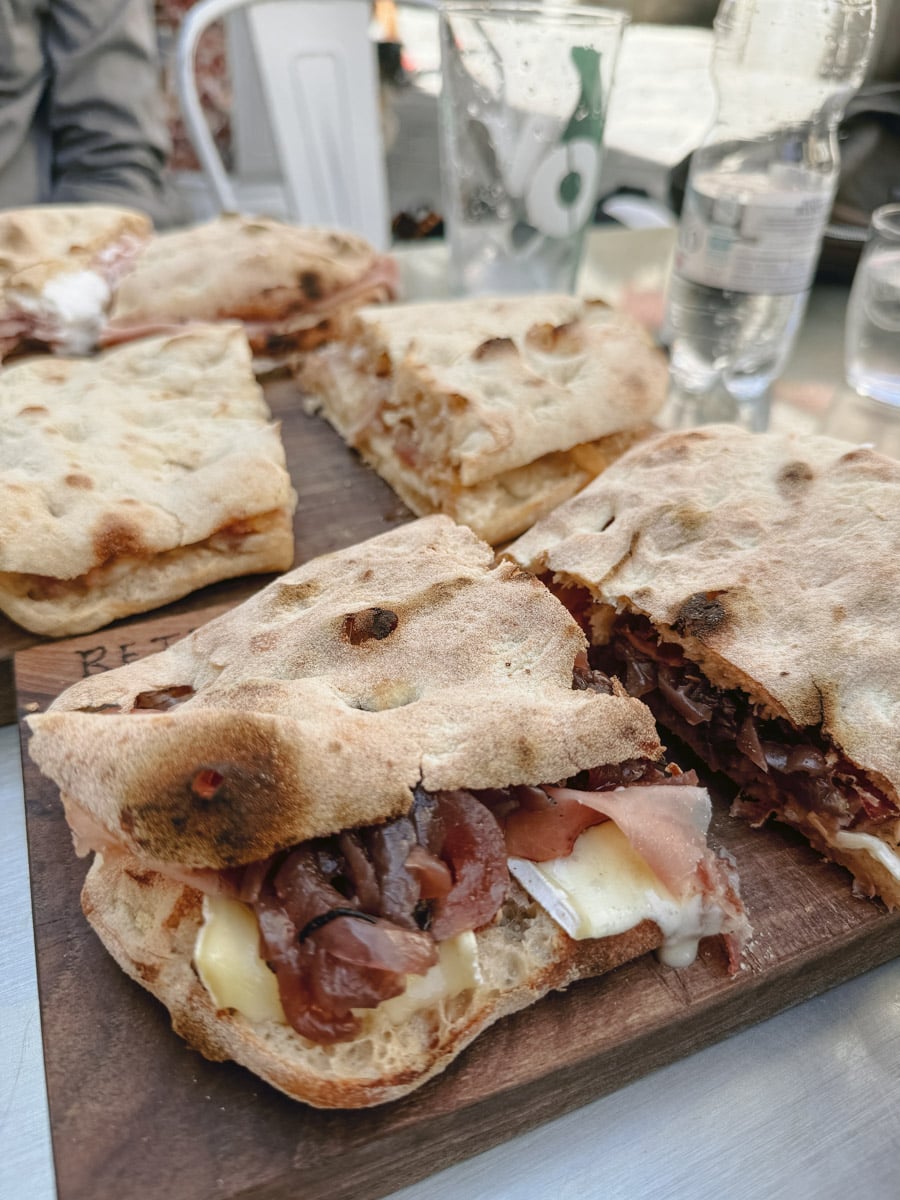
10.Eat a cacio e pepe sandwich at Retro Café
A local favorite with a mountain twist on a Roman classic.
11.Enjoy a vineyard walk in Morgex or La Salle
Taste Aosta Valley wine right where it's grown.
12.Take a scenic drive over the Little Saint Bernard Pass
Especially beautiful in late spring and early fall.
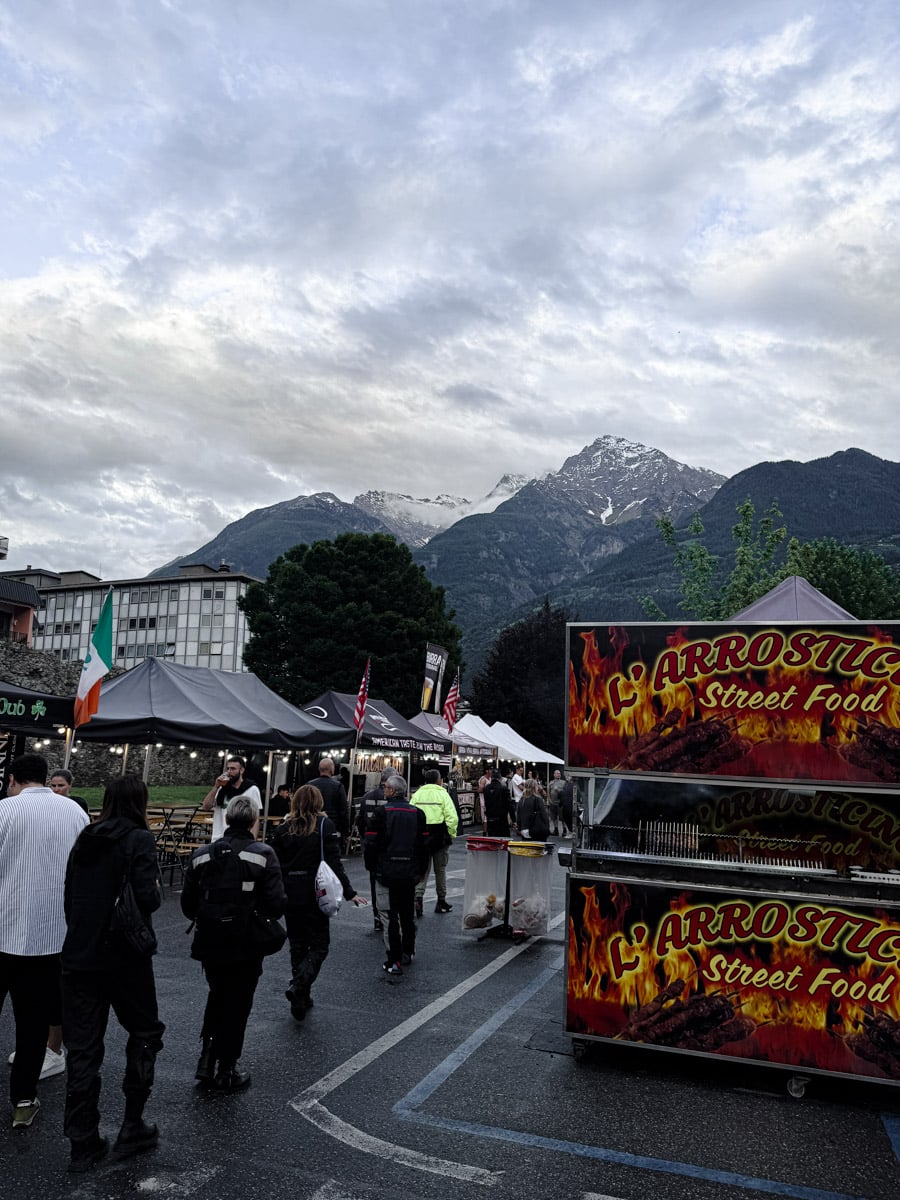
13. Attend a local food or wine festival
Celebrate the region's flavors with locals at seasonal events. Enjoy 70km of slopes with stunning alpine views just a short gondola ride from Aosta town.
How to Get to Aosta
Getting to Aosta Valley isn't the easiest, especially if you don't have a car.
- Car (Recommended): Renting a car is the best option. It gives you the flexibility to explore side valleys and mountain villages, and driving the scenic A5 highway or Saint Bernard Pass is an experience in itself.
- Train: If you don't have a car, there is a train from Turin to Aosta via Trenitalia. It's scenic but expect slower travel times, and note that some delays are expected until 2026 due to ongoing track maintenance.
- Bus/Shuttle: During the summer months or peak ski season, you might be able to catch a FlixBus or a bus with the company Arriva, which runs from major airports like Milan or Turin. However, these are seasonal and not always available year-round-so double check schedules in advance.
Best Places to Eat in Aosta Valley
Here's our honest guide to the best eats in Aosta. We chose these places, adding a few tips from family and friends in Italy.
Visitors and locals alike go to Osteria dell'Oca for authentic Italian cuisine. Cozy decor and delicious meals are sure to be hits with you. I also like in the center: Gina casa con cucina, Aldente Restaurant, Sorso Birra e Cucina, and aRoma.
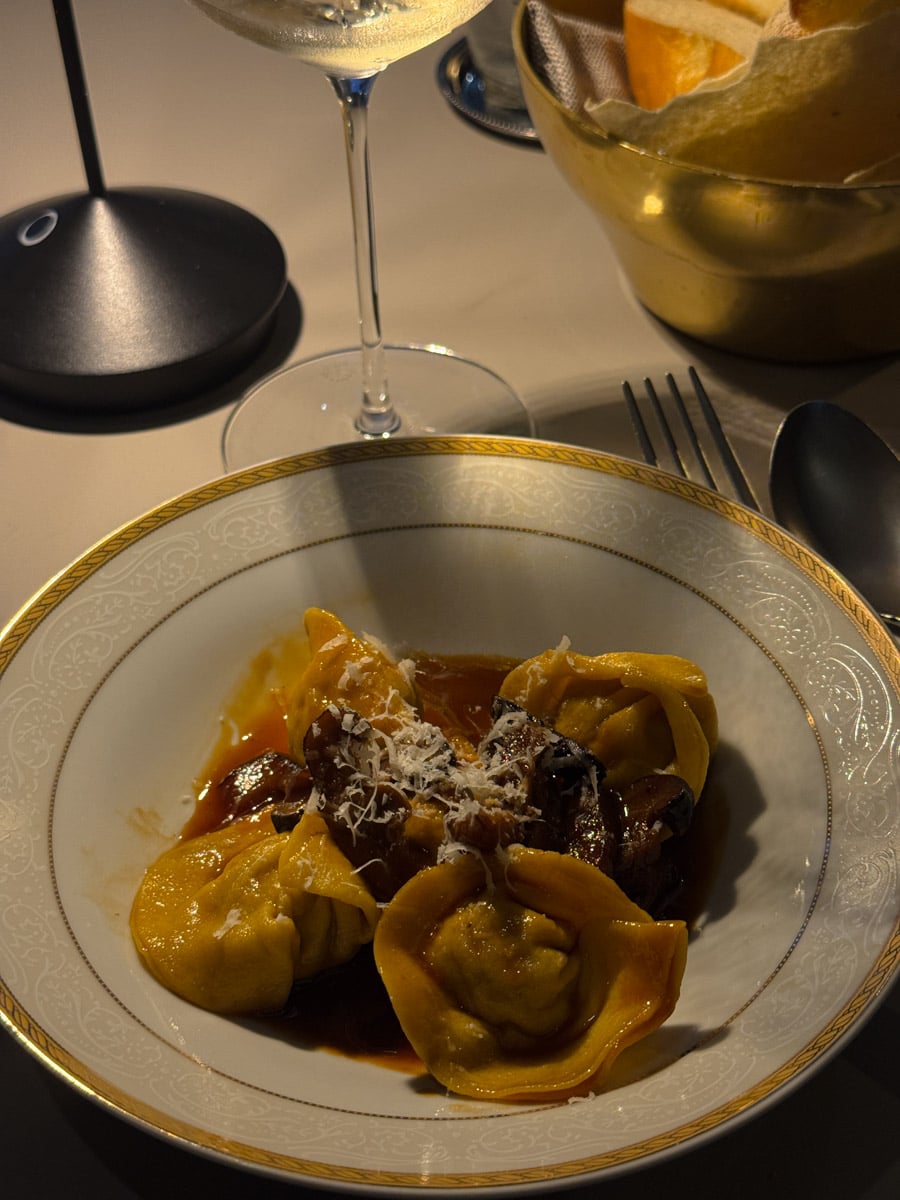
Not your average wine bar-La Vineria. Sip some excellent Italian wine in a laid-back setting. Perfect for relaxing nights in.
Dine on a fusion of Italian, French, and BBQ at Ristorante La Chaumiere. Perfect for an extravagant dinner, it is famous for its high-quality cuisine.
Stefenelli Desk - Yearn for opulent dining? Delicious seafood, Italian, and Mediterranean dishes are served at this posh restaurant. Ideal for celebratory occasions.
Getting Around
- Train: From Pont-Saint-Martin through the Aosta Valley
- Bus: Reliable connections to villages and ski areas
- Car rental: Best for flexibility
- Cable cars: For ski resorts and panoramic views
Unusual Places in the Aosta Valley
- Saint-Martin-de-Corléans Megalithic Area
- Chanousia Alpine Botanical Garden
- Underground catacombs in Aosta
Typical Products of the Aosta Valley
- Fontina DOP cheese
- Lardo di Arnad
- Mocetta (air-dried meat)
- Aosta Valley wine: Try Blanc de Morgex et de La Salle, made from high-altitude vineyards along the Dora Baltea River
Where to Stay in Aosta Valley
Need a place to stay in Aosta? Check out Booking.com. Outstanding for bargains. Check out the deals. Locate the right area. Look at actual images. Experience the power of genuine reviews. Also, be sure to check out some of these highly rated places:
- For those seeking a little extra opulence, Champoluc's Relais Des Glaciers is the place to stay. Thanks to its refined ambiance, it has won many fans.
- Saint Vincent's Grand Hotel Billia is remarkable. With five stars comes first-rate service, a great spa, and breathtaking vistas.
- Many couples choose to stay at the Hotel Edelweiss in Pré-Saint-Didier. It serves delicious breakfasts and is conveniently located near the cable car.
- The Saint-Pierre hotel Chalet La Meridiana is a hotspot for trend-setters because to its excellent service, stylish decor, and fun atmosphere.
- To relax, go no further than QC Termemontebianco in Pré-Saint-Didier. In addition to excellent wellness amenities, it has a world-class spa.
- The Aosta Hotel Village is another excellent choice. Those in search of a relaxing retreat love it for its first-rate service and modern amenities.
- Among the mountains of Aosta, Mont Blanc 4810 stands out. Excellent lodgings, unrivaled location, and first-rate service.
Winter and Summer in the Aosta Valley
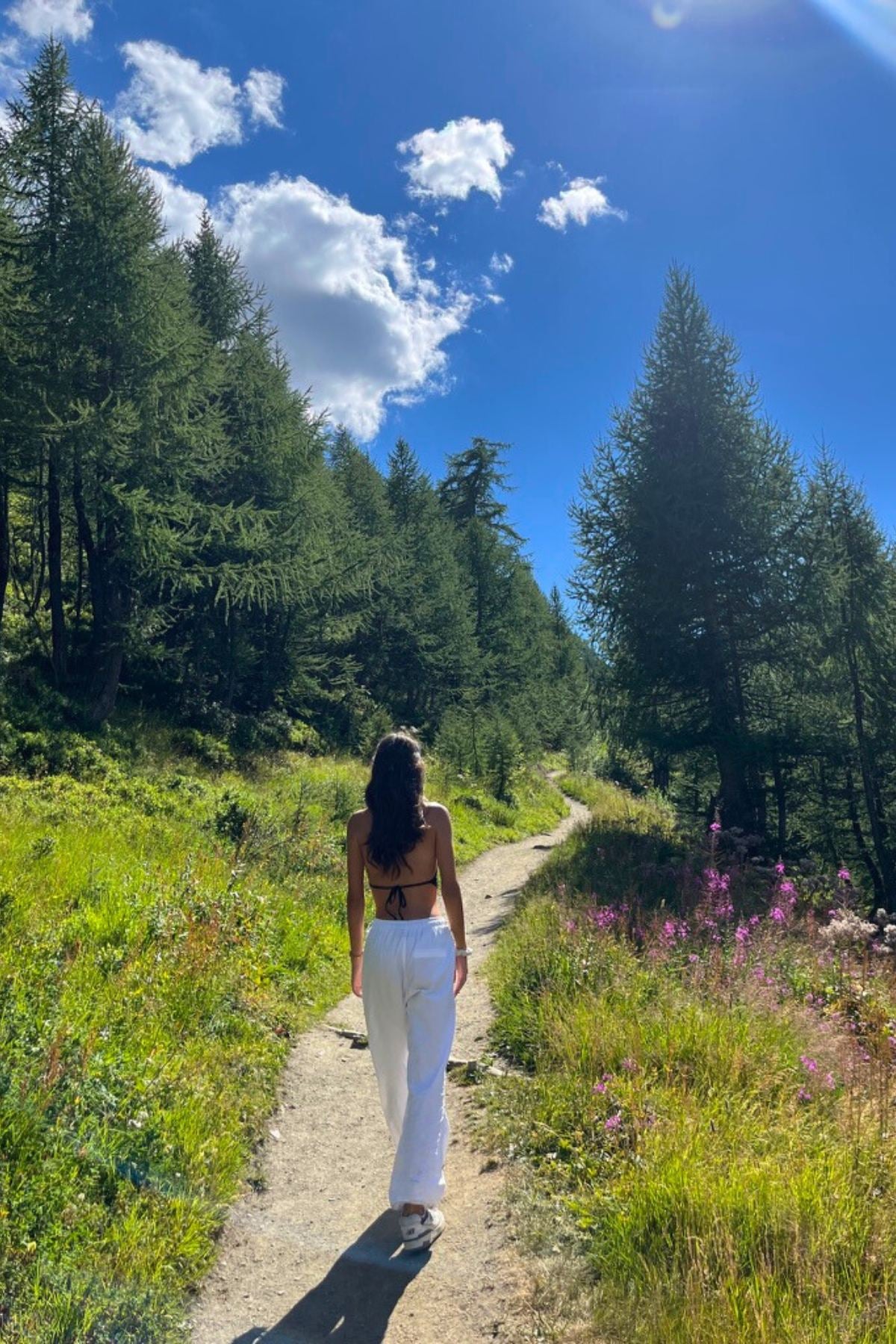
- Summer (June-September): Ideal for hiking, visiting vineyards, and exploring castles.
- Winter (December-April): Perfect for skiing, snowboarding, and snowshoeing.
- Spring & Fall: Quieter, budget-friendly seasons with scenic beauty and local life.
Main Towns in the Aosta Valley
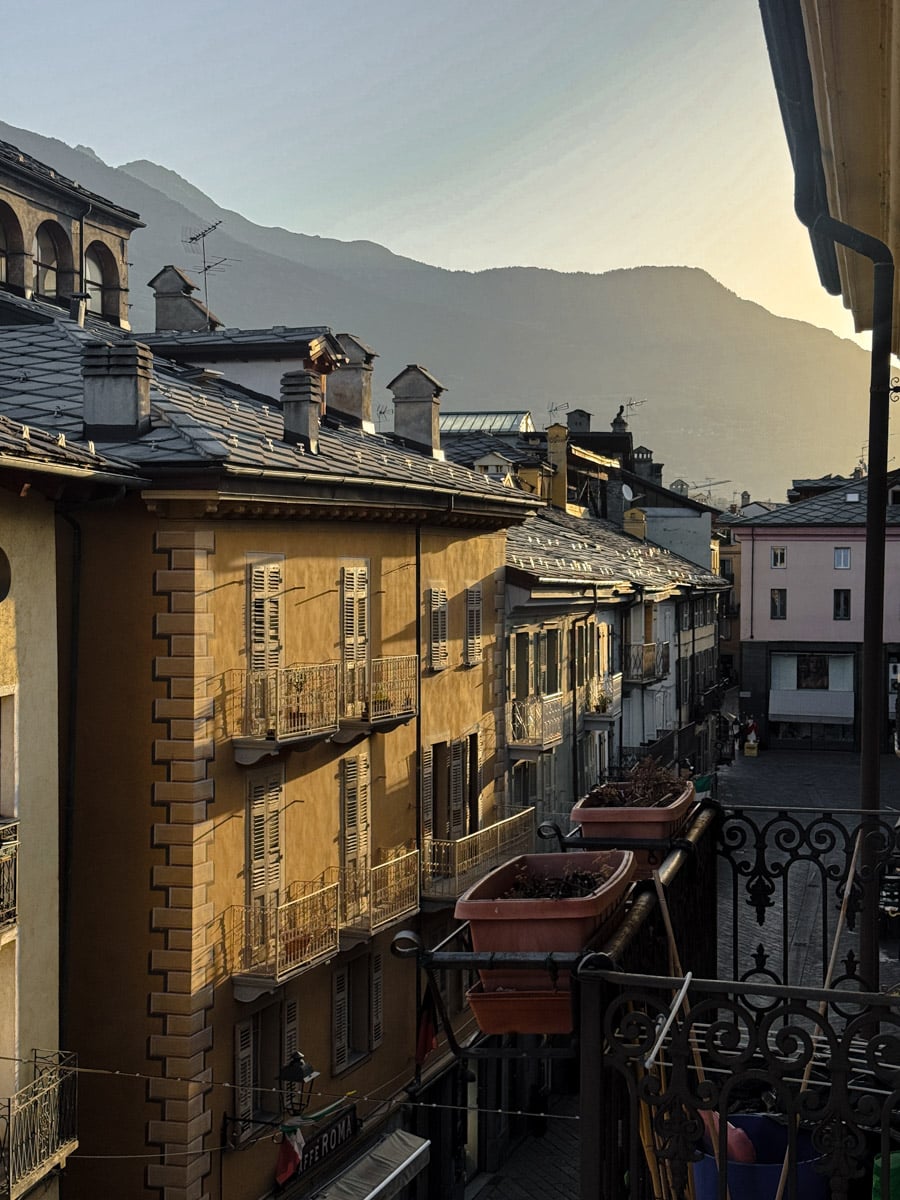
- Aosta: Capital and cultural hub, often called "Little Rome"
- Courmayeur: Upscale ski and spa town near Mont Blanc
- Pré-Saint-Didier: Famous for its thermal baths
- Etroubles: Picturesque village along the Via Francigena
When to Visit Aosta Valley
Here is when to visit Aosta, Italy. The months of June through September are ideal for outdoor activities like hiking, exploring castles, and wine tasting accompanied by live music.
During the winter months of December through April (technically the beginning of Spring), the valley transforms into a world-class ski destination nestled under the snow-capped Alps.
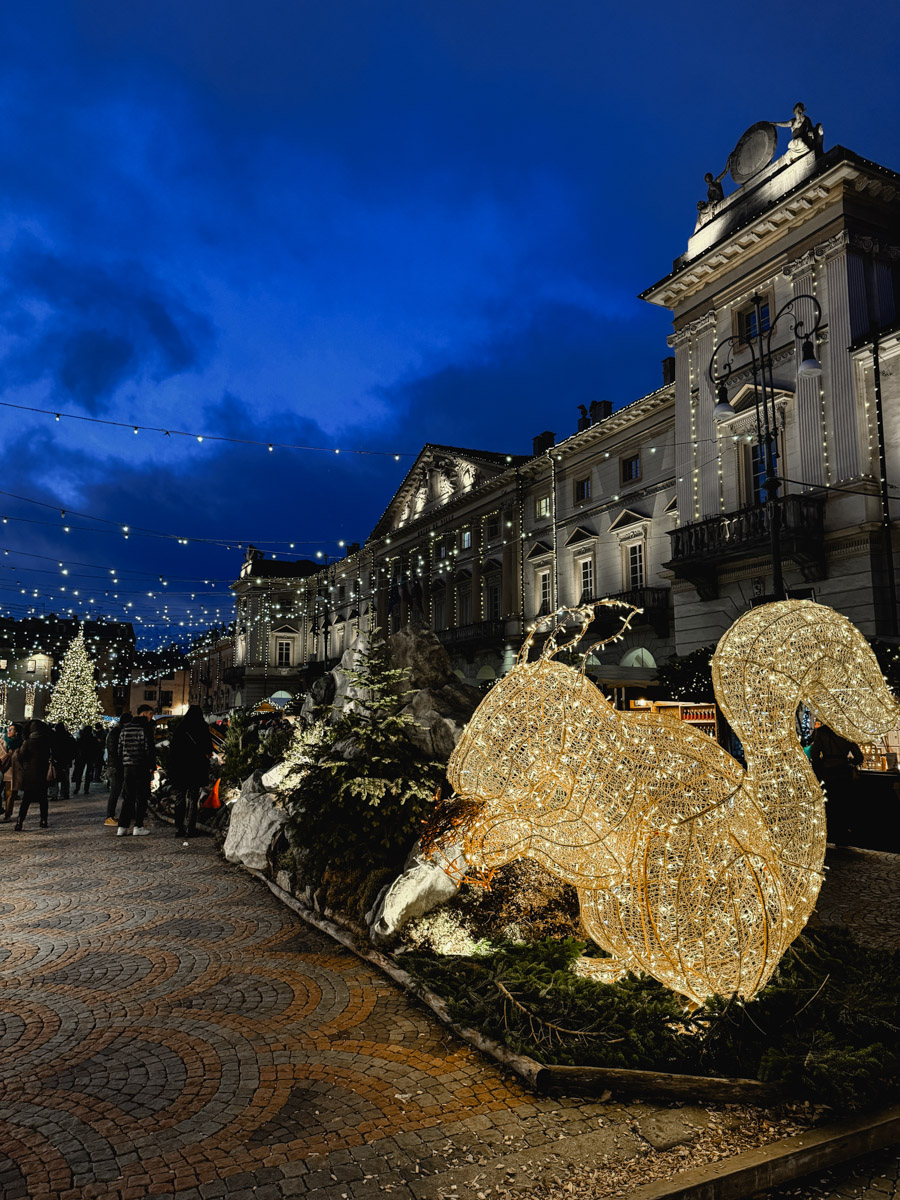
Looking for something more serene? May and the months of late September through October are ideal for a relaxed vacation due to fewer tourists, mild weather, and a lack of hustle and bustle.
🇮🇹 Did you know?
The Italian City That Speaks French: Aosta is in Italy, but its historical links to France and proximity to the French border mean that French is the language most often spoken there. Not many Italian cities have this dual language ability.
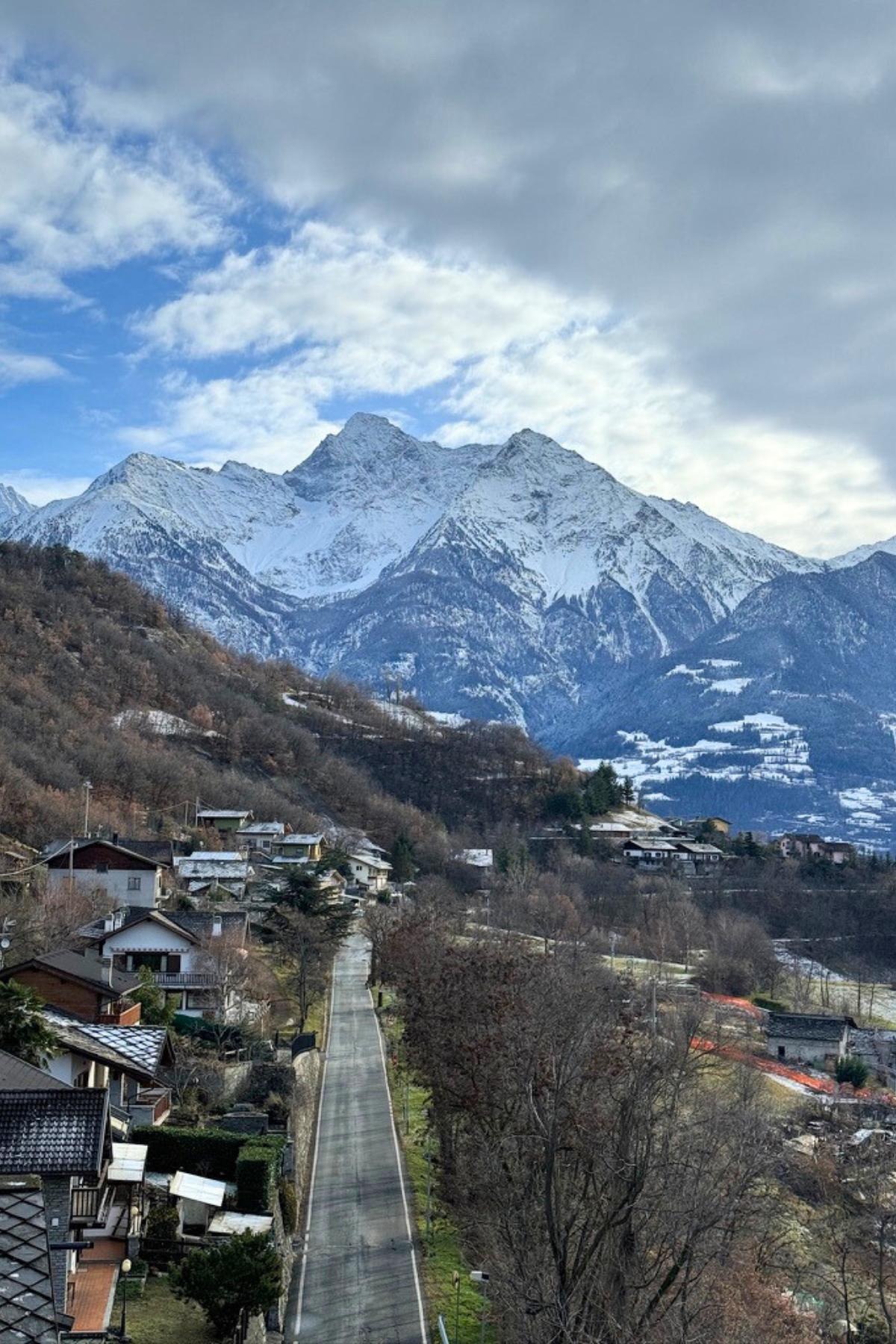
A Brief History of Aosta Valley
The Celtic Salassi were the original inhabitants of the Aosta Valley; nonetheless, Aosta became the center of Roman rule in 24 BC. Roman roads, monuments, and ruins dot the landscape.
Following the fall of Rome, control passed through many families: the Burgundians, the Franks, and finally, the Savoys, who became kings of Italy in the eleventh century.
In 1945, the valley asserted its independence while maintaining its culture with French influences and the Valdôtain language.
Map of Aosta Italy's Top Places to Visit
What to See in Aosta and Surroundings
Aosta and its edges pack culture, history, nature. Here's 11 spots you can't miss in Aosta and around.
1. Castel Savoia:
Queen Margherita loved the Lys Valley. She built Castel Savoia there. Architect Emilio Stramucci designed it, blending medieval, Renaissance, and Alpine styles from 1899 to 1904. It was her summer retreat, featuring Art Nouveau elements and five towers. It's where medieval meets mountain chic.
The castle park is huge, spanning 15 hectares with trees, flowers, and an Alpine Garden. This garden is a botanist's dream, hosting over 500 species from around the world, organized by bloom time and origin.
2. Gran Paradiso National Park:
The Italian Gran Paradiso beckons to you. Every landscape imaginable is present: woods, fields, hills, and valleys. The trail takes you past beech trees, conifers, and into a realm of ethereal wildflowers. Only the hardiest plants make up to higher elevations.
The animals take center stage. Lynx, ibex, chamois, and wolf species. They are the permanent owners of the property. Bird too: Owls, ptarmigans, and eagles all mix in.
The park was established there in 1922. Some 500 kilometers of paths wind through the park. Go skiing or snowshoeing in the winter, and rock climbing in the summer.
If you're dreaming of going beyond the lower trails, a Gran Paradiso guided climb with a certified guide is a wonderful way to experience the park's high alpine scenery with the right support.
3. Etroubles:
At an elevation of 1270 meters, Etroubles dominates the Great Saint Bernard Valley. It combines elements of art, history, and the natural world. It presently forms part of the Via Francigena road; in Roman times, it was named Restopolis.
The settlement became a museum in the open air in 2005. Fondation Gianadda was their collaborator. Its streets are now adorned with sculptures and murals. Add to its charm are the old stone and wood houses. Also, cobblestones and flowers.
Several environmental and touristic accolades have been bestowed upon the town. Skiers, snowboarders, mountain bikers, and hikers all flock to it. Skiing in Great Saint Bernard is their main attraction.
4. Teatro Romano (Roman Theatre):
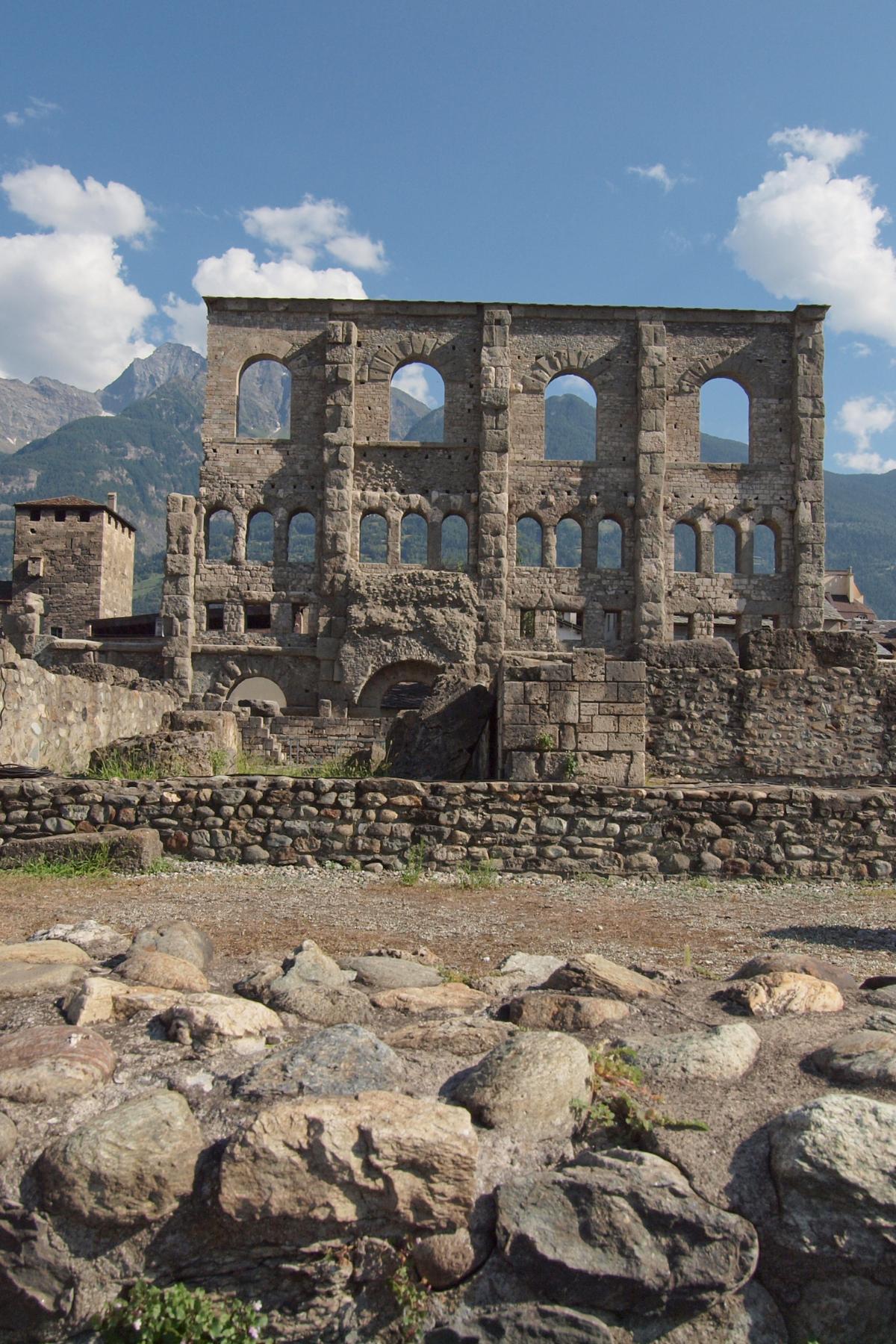
Aosta's Roman Theater stands tall at 22 meters. Emperor Augustus oversaw its construction. It used to pack in 4,000 people. You can still see the seating curves and a deep orchestra pit.
The stage, once rich with Corinthian columns and marble, is now just a base. Nearby markets, storage, and baths made it a city hub. Renovated in 2009, the theater now stages modern shows, linking history with today.
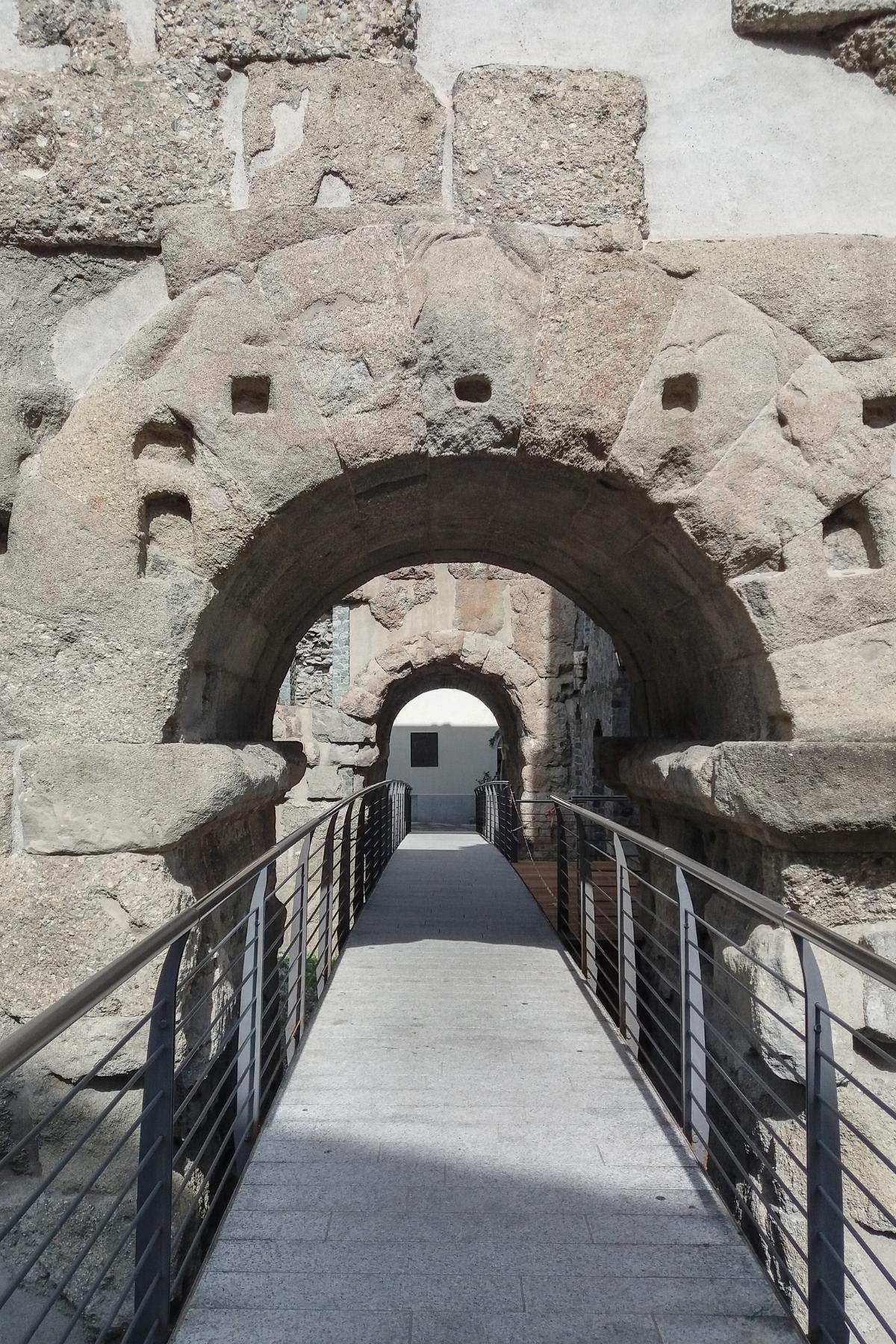
5. Porta Praetoria:
Augusta Praetoria's principal entrance was the 25 BC Porta Praetoria in Aosta. Built just after Terenzio Varrone had crushed the Salassians. There is a large aperture for carts and two smaller ones for persons at the gate. Underneath it, behind two meters of flood debris, lies a troop area.
Some of the original marble may be seen on the east side, giving the area an air of classic elegance. Constructed with puddingstone, it serves as an example of Roman engineering. The Most Blessed Trinity Chapel, which once stood above the gate, is the source of its other name. The chapel was demolished in 1926 and now just a niche indicates its location.
6. Criptoportico Forense:
Located in Aosta, Italy, the Criptoportico Forense is a subterranean Roman horseshoe-shaped building that dates back to the Augustan period.
Located close to the Cathedral, this site was an important meeting place for the city's religious, commercial, and administrative functions when it was first constructed in 25 B.C. and expanded in the 2nd century. Intertwining holy and municipal purposes, it most likely housed ceremonies for the imperial cult, contrary to prior beliefs indicating it was utilized for storage.
Archaeologists are still arguing over its precise historical use, but now it is part of the "Aosta Archeologica" pass and gives visitors a look into Aosta's Roman past.
🇮🇹 Did you know?
The Tower of Leper's Whisper: It is said that lepers were secluded in the Bramafam tower, which is a component of the old walls of Aosta. Their legendary groaning murmurs are said to reverberate on windy evenings.
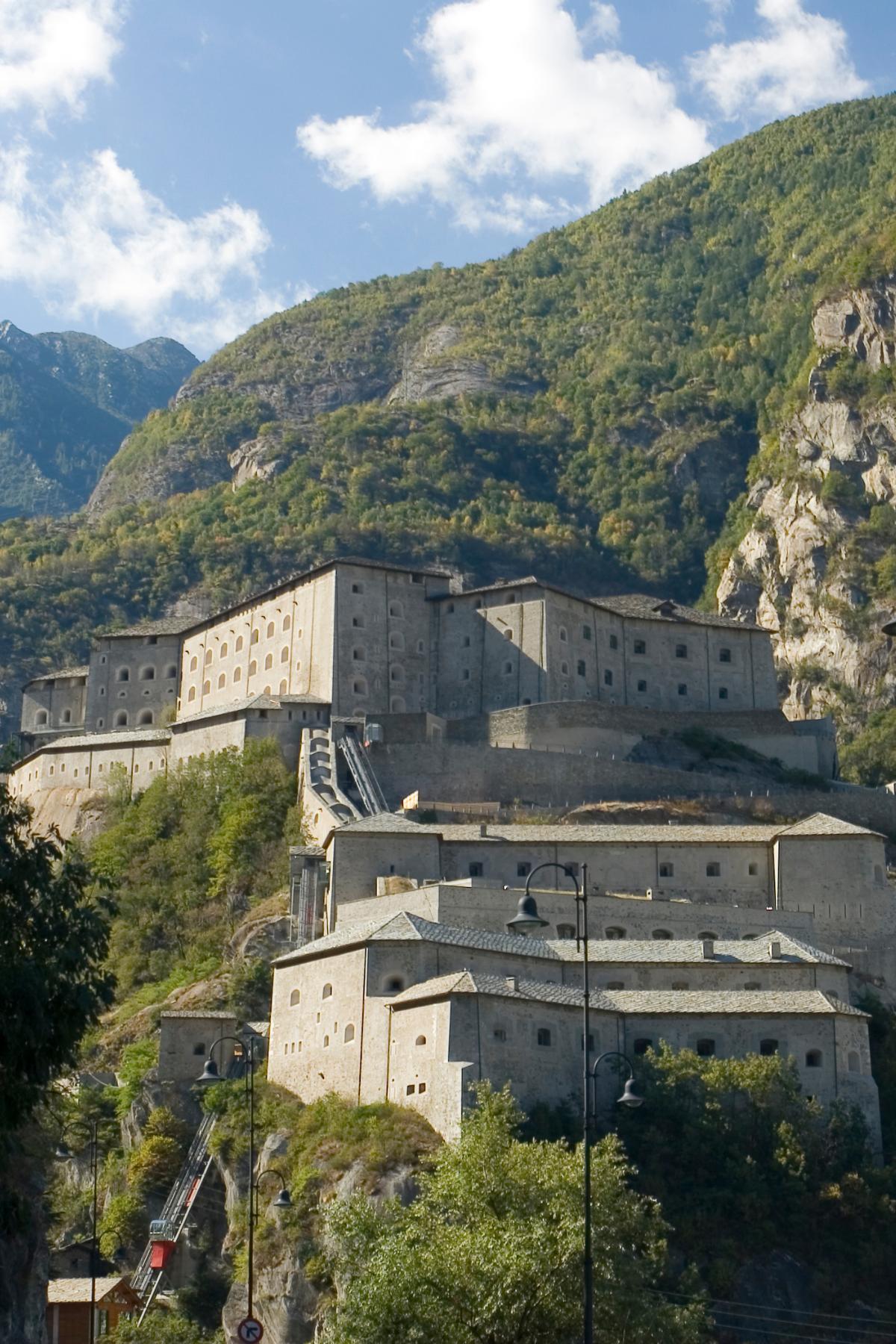
7. Verres Castle:
Yblet de Challant used an innovative unified construction concept instead of discrete defensive elements to build Verres Castle, a military fortification in Italy's Aosta Valley from the 14th century.
On a point to watch over Verrès and the Val d'Ayas sits an austere, undecorated cube thirty meters on each side; its design is basic but sturdy. A drawbridge, vaulted ceilings, loopholes, and a trapdoor are some of the complex defensive features included in the castle's strong walls and battlements.
Aesthetically pleasing and more fortified, it underwent renovations in 1536 to make room for gunpowder technology, adding additional walls, cannon turrets, and attractive Moorish windows and gates.
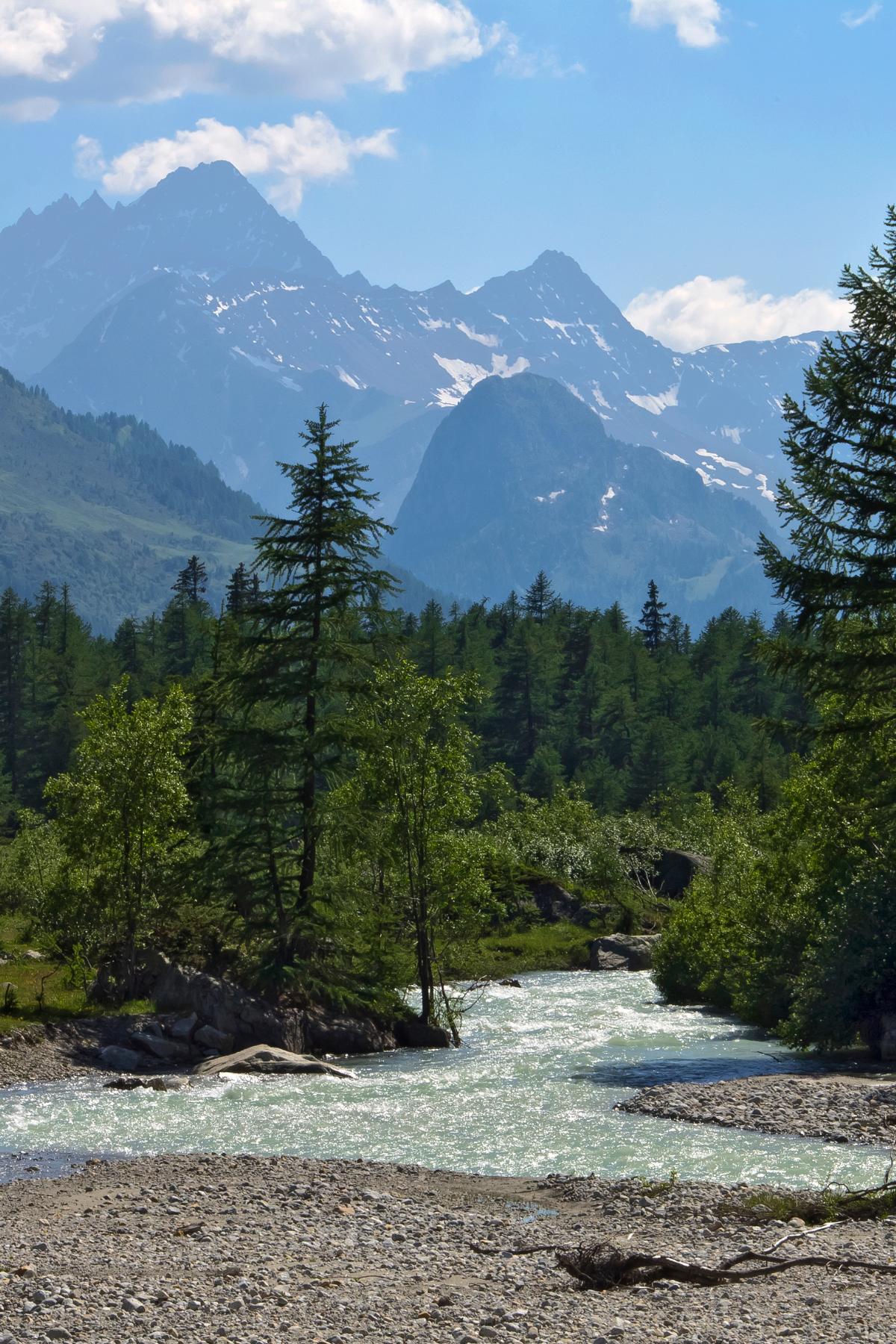
8. Val Ferret:
Val Ferret sits under Mont Blanc. It's totally stunning all year! You seek thrills or peace? It delivers. Winter means skiing, snowshoeing, snow biking. I love the fact that there are no cars, just snow and peace.
Summer turns it green. It's prime for hiking. Biking. Golfing. And fishing. Trails lead to these cheese-making farms. What else? Wildlife thrives here: birds, ibex, chamois, marmots. They're all protected. Flowers bloom wildly. Want a bird's-eye view? Take the cable car.
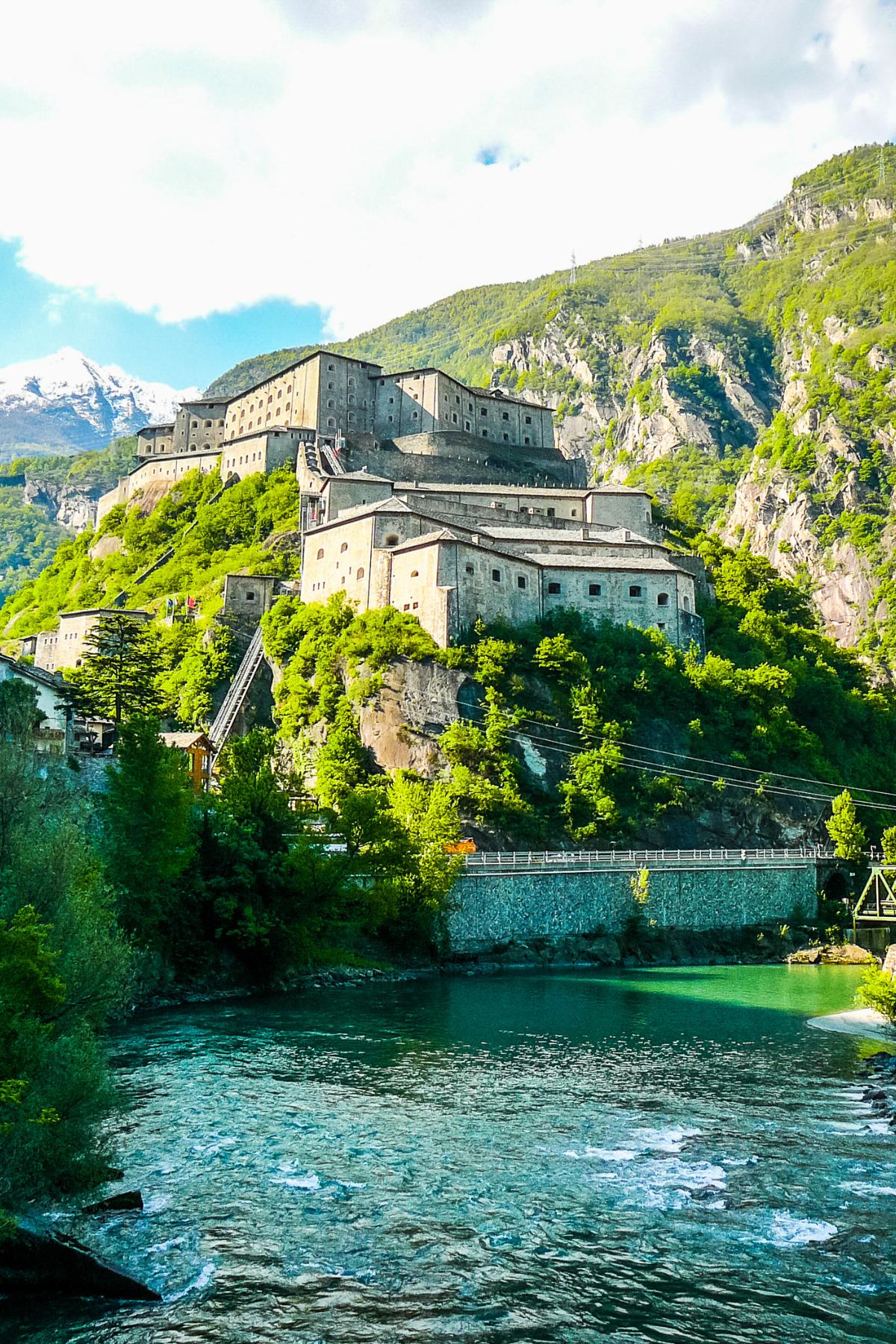
9. Forte di Bard:
The medieval fortification of Forte di Bard, which is connected to the Savoy dynasty, is situated at the entrance to Italy's Aosta Valley. Charles Albert of Savoy reconstructed it significantly from 1830 to 1838 on the foundations of a fortress that had been there since the 10th century, after first announcing its presence in the 5th century under Theodoric I.
It gained notoriety for blocking Napoleon in 1800, which led him to order its demolition. It now serves as the Museum of the Alps, where visitors can learn about the cultural and ecological history of the Western Alps via interactive displays, such as a model of Mount Blanc's ascent.
🇮🇹 Did you know?
Underground City of the Dead: An enormous system of catacombs dating back to the early Christian period exists underneath the city of Aosta. For generations, people have laid their bodies to rest in these elaborately adorned subterranean tombs.
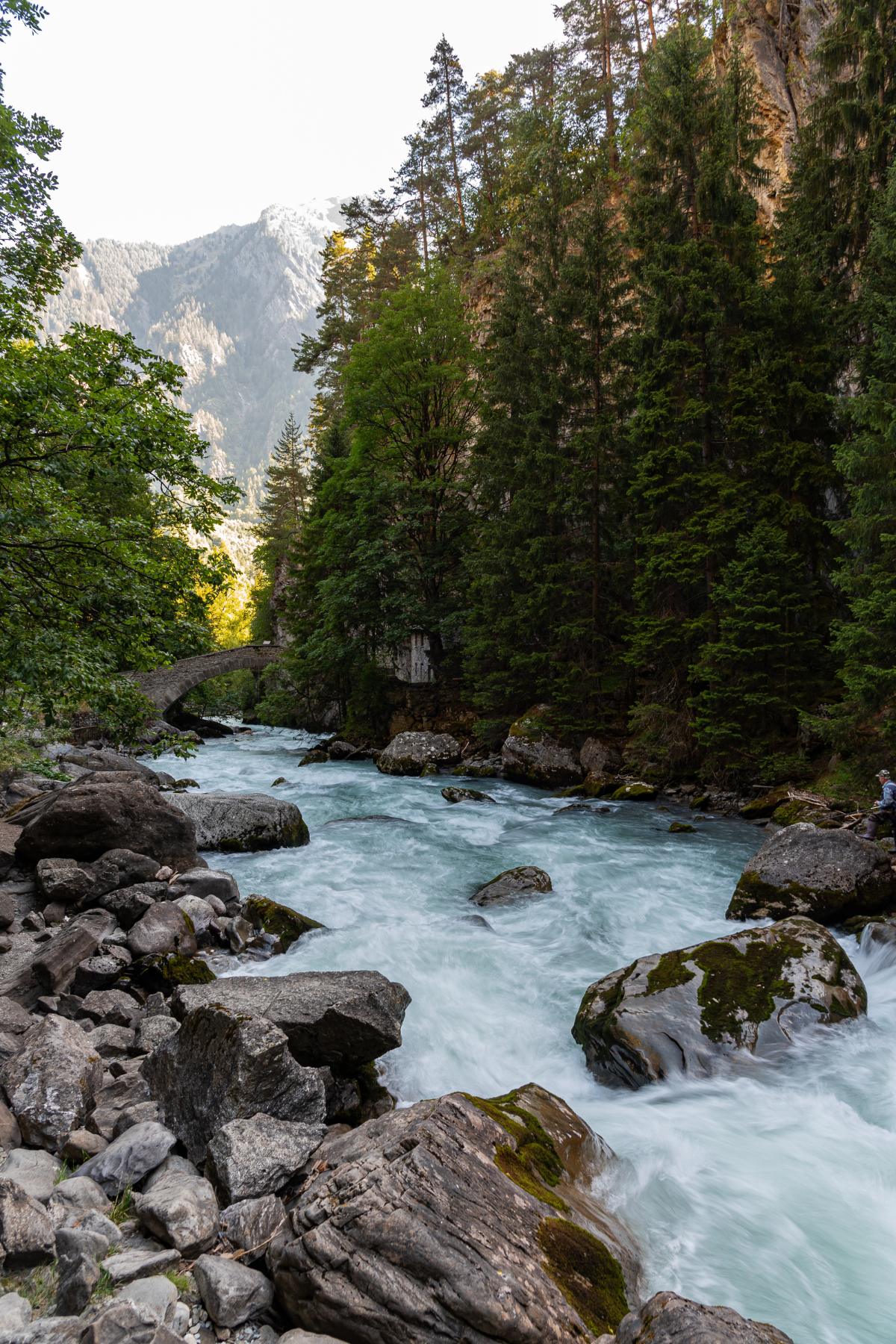
10. Baths of Pré-Saint-Didier:
Situated near the confluence of La Thuile and the Dora Baltea, the Pré-Saint-Didier Baths were first used as a spa in 1834 after having been discovered by the Romans. Famous for its medicinal effects, the mineral-rich waters of these luxury baths are 38°C.
War damage forced its closure in 1976, but a 2005 revitalization brought it back to life by fusing its historic allure with contemporary spa services. The beautiful setting against the majestic Mont Blanc adds to its allure as a health refuge, and now it flourishes as a tourist attraction, providing a variety of activities including Jacuzzis, underwater music pools, scented steam rooms, and saunas.
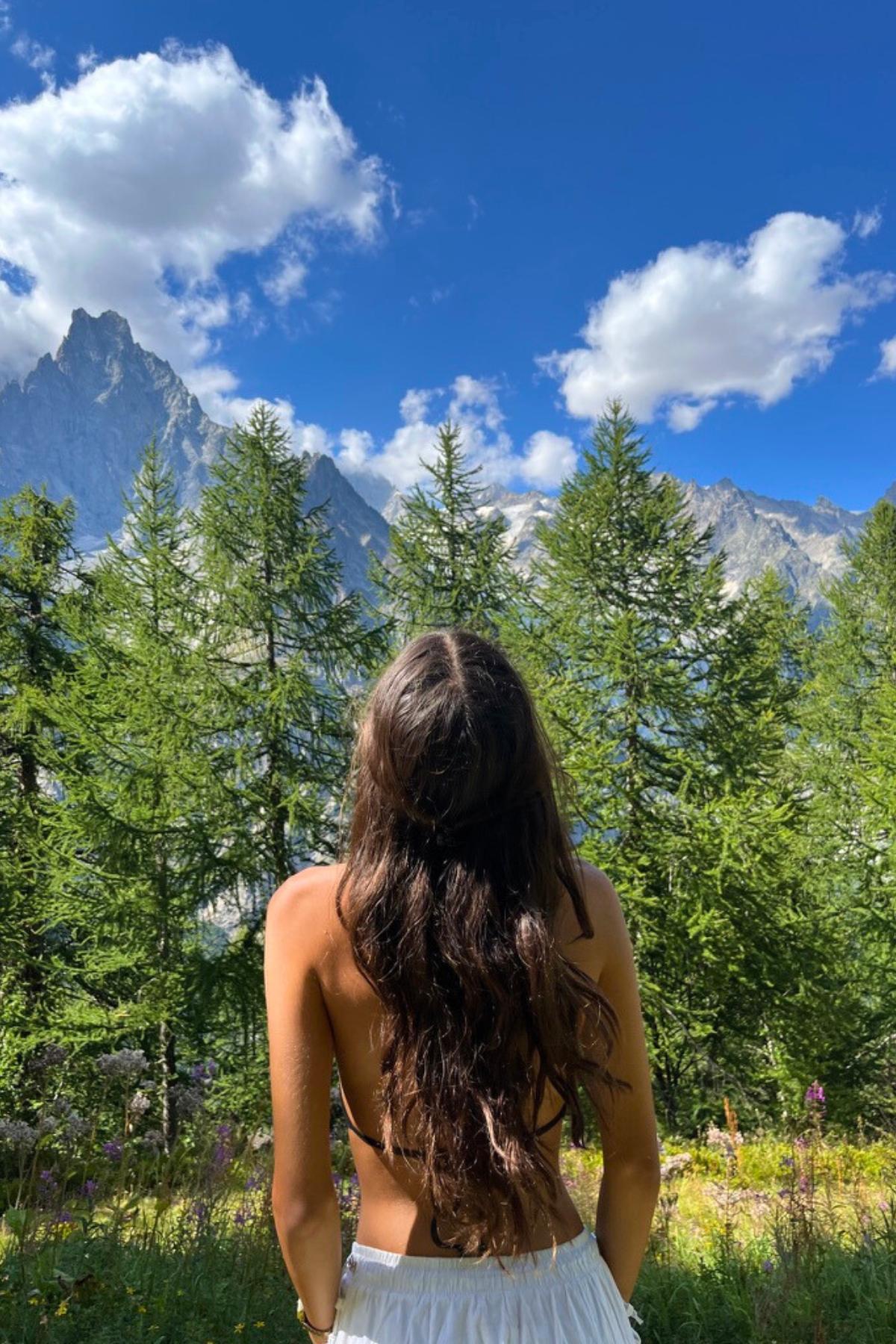
11. Outdoor Activities in Aosta:
Outdoor enthusiasts will find paradise in the Aosta Valley. Enormous vistas of the mountains surround it. From the historic routes of Gran Paradiso to the unique cultural hikes of Lys Valley, more than a thousand kilometers of trails are at your hiking shoes.
In the winter, activities like skiing, snowboarding, and snow biking become the main attractions.
Need a rush? Experience the breathtaking mountain views from above by paragliding or ballooning. No one is left wanting, even history buffs.
Wine connoisseurs? Visit Morgex for one-of-a-kind, lofty vineyards. As an homage to ecotourism, plant enthusiasts should see the resilient alpine flowers at Chanousia.
🇮🇹 Did you know?
Stone of Fertility: The ancient inhabitants of Saint-Martin-de-Corléans thought a stone at a megalithic site would increase fertility. People would go to the site and touch the stone in the hopes that it would help them conceive.
Map of Aosta Italy Skiing Locations
Aosta Italy Skiing
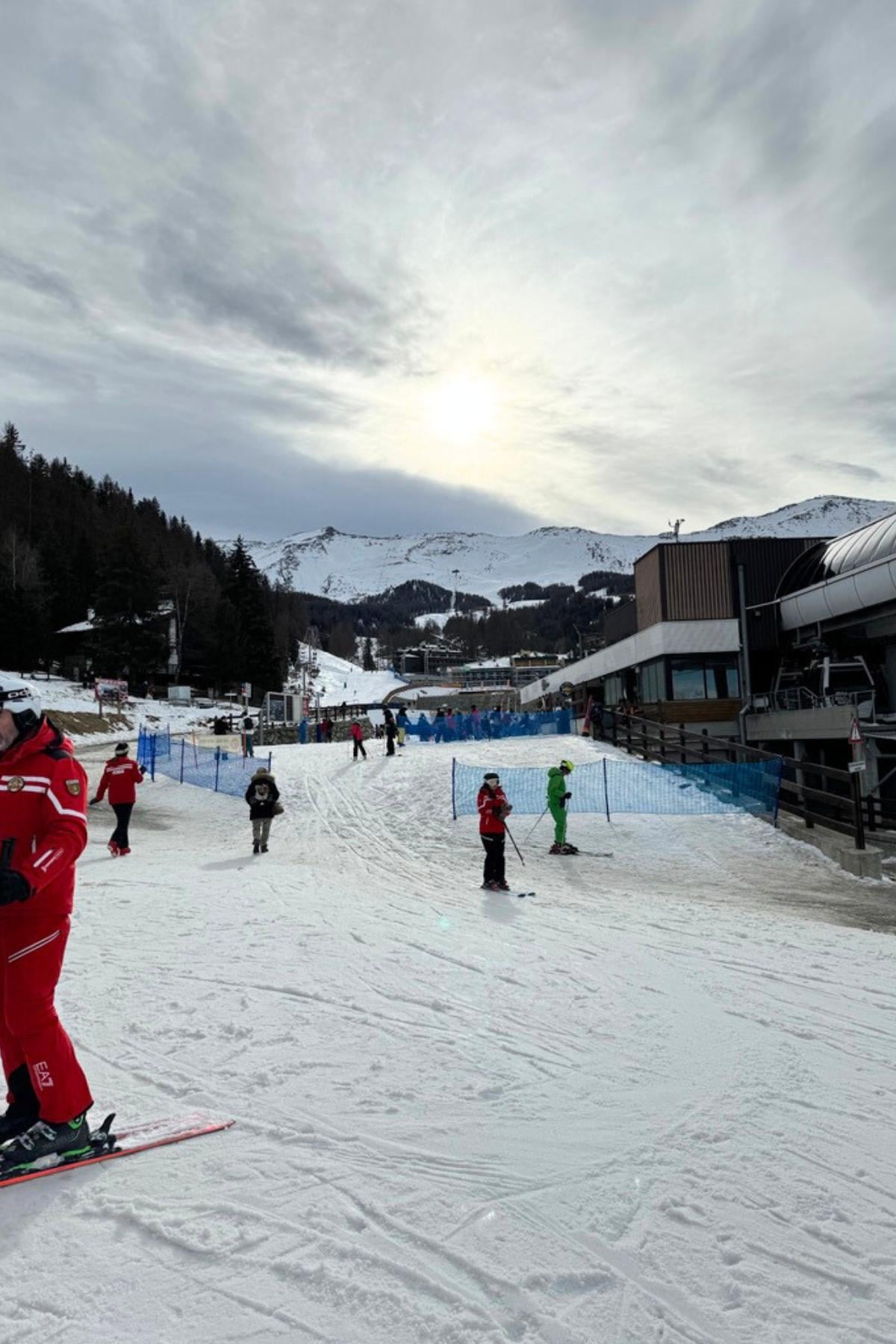
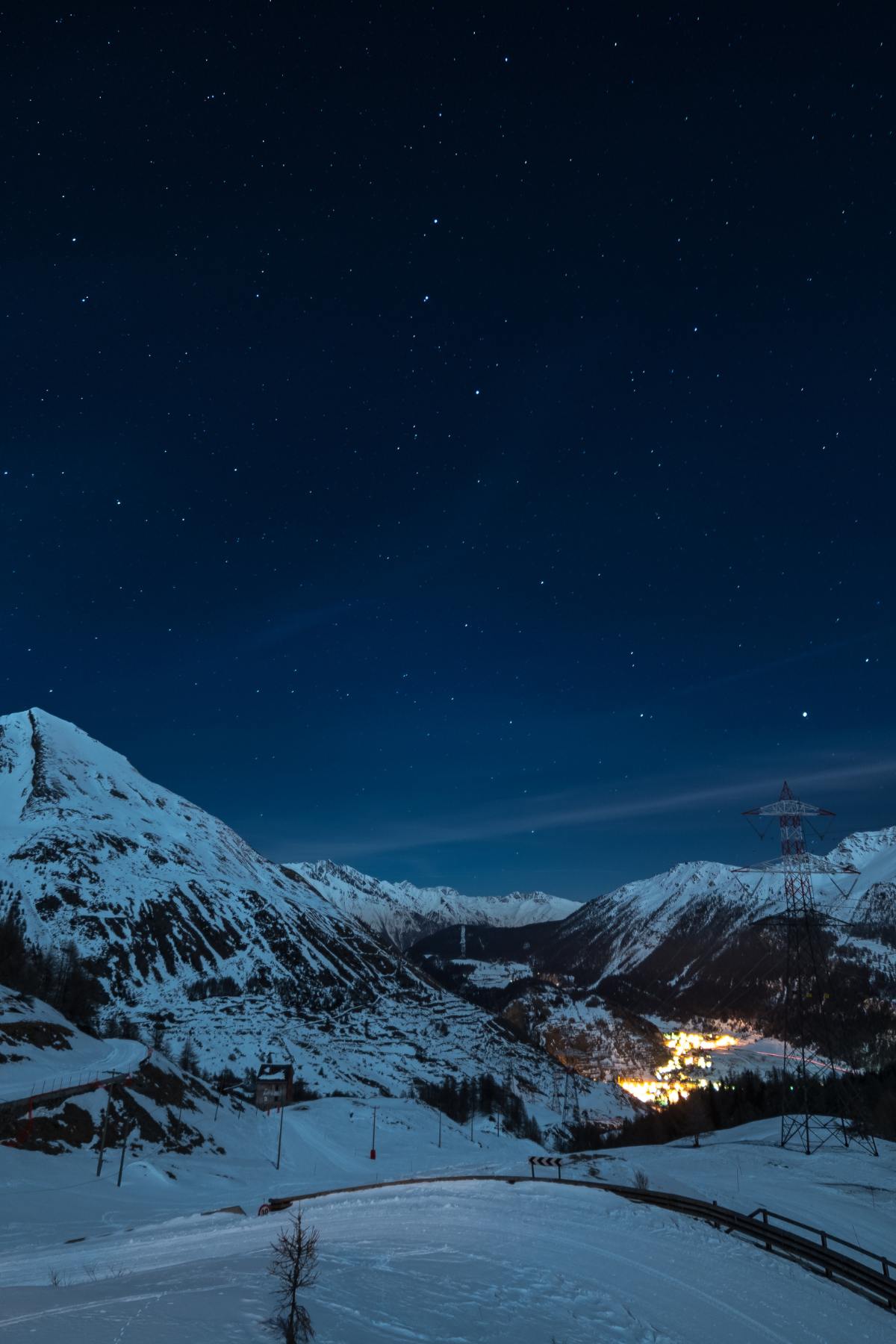
You will be thrilled to ski in the Aosta Valley. It goes beyond hills. Impressive views. You are surrounded by Europe's titans. Attractive resorts, both large and little, call out. The energy is palpable on every run.
Breuil-Cervinia:
Connected to Zermatt in Switzerland, this resort offers 360km of runs and reliable snow. Great for all levels, with a lively après-ski scene.
Monterosa Ski
Skiers of all skill levels can enjoy the 180 km of varied slopes served by 37 lifts at Monterosa Ski, which spans Italy's Piedmont and Valle d'Aosta regions and reaches an altitude of 3,275 meters.
The resort is open from the end of November to the beginning of May. Skiers and snowboarders of all skill levels will find what they're looking for at Monterosa Freeride Paradise, which has both easy and difficult off-piste terrain.
La Thuile
A hidden gem linked with La Rosière in France. Known for heli-skiing and expert-level terrain, it's less crowded and full of character.
Pila
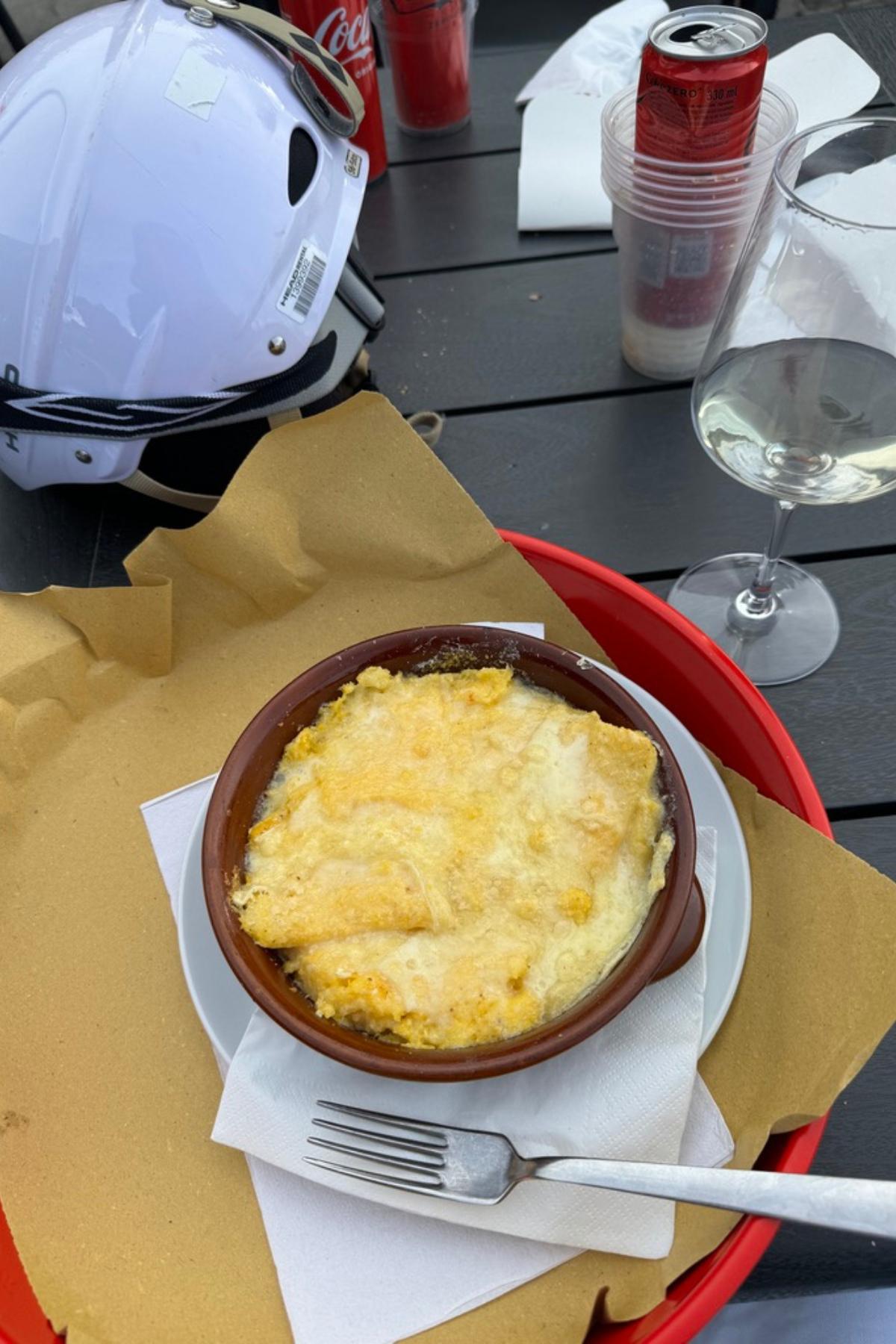
My personal favorite- with 70km of trails, easily reached via gondola from Aosta town. Offers great views and fewer crowds, even on weekends.** 70km of slopes with easy gondola access from Aosta town
Best Guided Tours
Hire a local guide to see around Aosta, Italy. They offer top insights and perks. Explore our favorite northern Italy tours. You'll love them.
🇮🇹 Did you know?
Ancient Fast Food: Historic artifacts unearthed in the area date back more than two millennia to a Roman "thermopolium," an analogue of today's fast food joints that provided patrons with hot meals and beverages. This exemplifies Roman Aosta's sophisticated metropolitan way of life.
Explore More of Italy!
Aosta Valley kicks things off. Italy's marvels stretch out from here. Find more magic down below. Safe travels!
Explore Amalfi Coast in Campania, Italy
Ultimate Sorrento, Italy Travel Guide