
Psomi Spitiko is a really easy Greek bread recipe. Made with yeast, this a no-fuss bread recipe that's great for beginners. You could make the dough by hand or with a mixer. This Greek village bread has a crunchy crust and fluffy center!
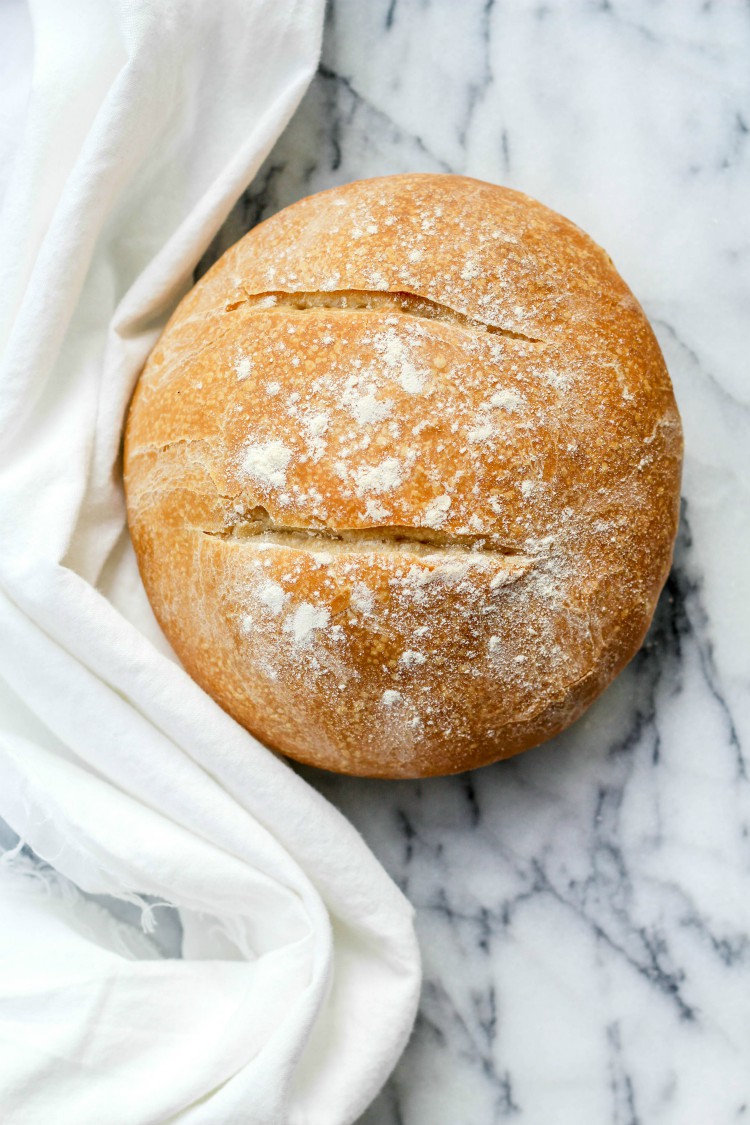
You have to try this easy Greek yeast bread. Yes, I just typed those words: easy Greek yeast bread. I didn't use my bread machine. I didn't knead until my arms were about to fall off. I put this together in little over an hour.
I was looking for a quick bread to make for dinner. When my chef-hubby is home for dinner, we almost always have fresh bread. He likes to eat like he does at his mom's house. He pulls out the incredible cheeses and his mom's homemade salami. I usually make this bread. I sort of forgot to make the dough the night before.
I needed something quick and fabulous. I can't eat homemade bread with every meal or I would weigh a lot more than I do now. Fresh bread and amazing cheeses are my weakness. And homemade salami.
Originally shared on May 24, 2011. Updated on October 27, 2020. I really love this easy bread recipe and thought it was time to share again with my readers. You could make it a weekend baking project!
This bread has become my new weakness and I need to share it with you. Fast! Before I lose the recipe! I usually don't make a recipe and post it the next day. There was an urgency in my wanting to share this Greek deliciousness. The only Greek bread I have ever had is pita.
Some other bread recipes that I love to make our my Sourdough Discard Challah Bread and my Anadama Bread.
Jump To
- Why you'll love this easy Greek village bread recipe
- What does Psomi Spitiko mean in Greek?
- What is Greek village (country) bread?
- What ingredients are needed for Psomi Spitiko?
- Here are the steps it takes to make this delicious Greek bread
- The secrets of a perfectly baked psomi spitiko
- Some other homemade bread recipes:
- Psomi Spitiko
Why you'll love this easy Greek village bread recipe
- It is super easy for beginners
- You don't need a bread machine
- This type of bread has a crunchy crust and a moist, fluffy center, making it the perfect accompaniment for any meal or as an afternoon snack.
- The great thing about Psomi Spitiko is that it requires minimal ingredients and can be ready in a matter of minutes.
- The dough is easy to work with and can be shaped into any form you wish for the perfect presentation.
What does Psomi Spitiko mean in Greek?
It isn't a glamorous bread with a fancy name - it's just called ψωμί σπιτικό (psomi spitiko, say: psoh-MEE spee-tee-KOH)... homemade bread"
Here is the story behind the name on Psomi Spitiko that I found on a Greek food website (the link no longer works): "I learned this recipe for yeast bread years ago from family in Evros (the northernmost Greek prefecture). It takes about an hour and 20 minutes, start to finish, including kneading, rising time, and baking.
What is Greek village (country) bread?
Greek village (country) bread, or psomi spitiko, is a type of Greek bread that is made with flour, water and salt. This particular type of bread can be found in tavernas throughout Greece and is often served as an accompaniment to soups, salads, or other meals.
It has a dense texture and crusty outer layer and is typically baked in a wood-fired oven. This traditional Greek bread also has a distinctive flavor due to the salt used in its preparation. It is often served as an accompaniment to various dishes or simply enjoyed on its own.
Some variations of the traditional country bread may include different types of herbs, spices, olives, or onions . Greek village bread is a staple of the traditional Greek diet and can often be found in local grocery stores or bakeries.
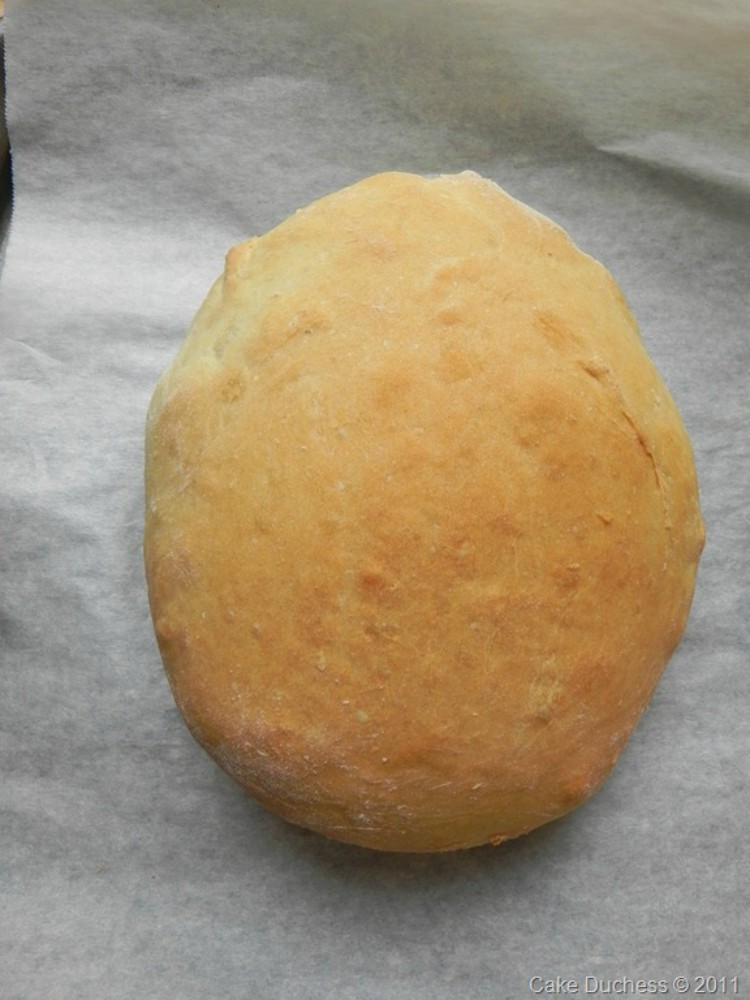
I didn't take too many photos of the process as I wasn't sure how it would turn out.
This is an original photo from back in 2011 when I made it.
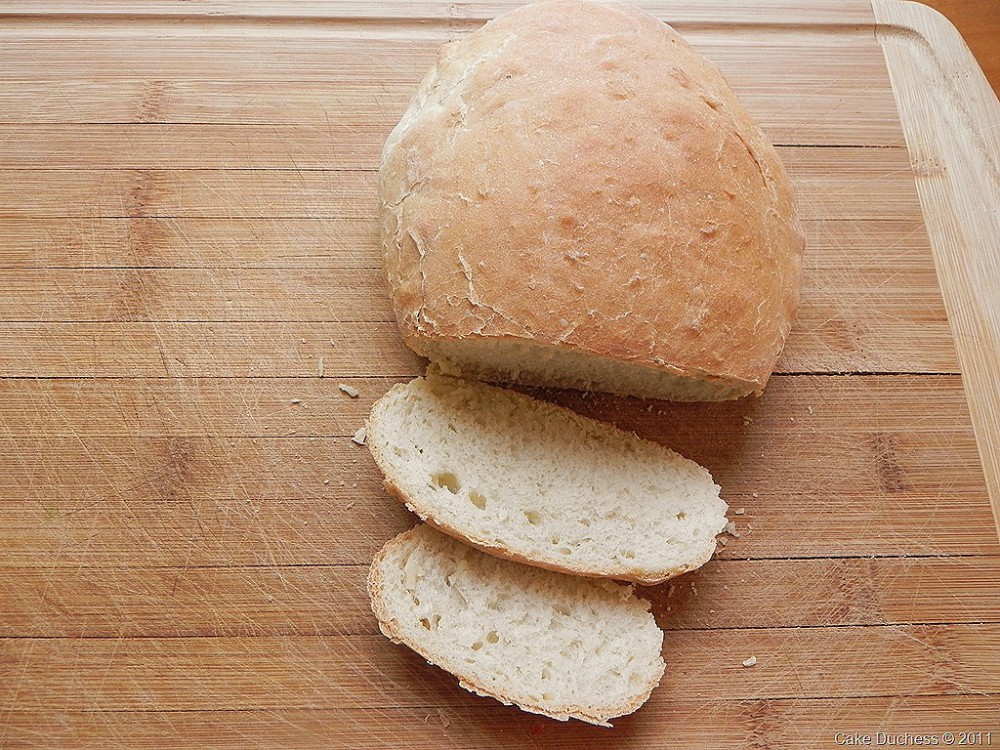
I left it to rise on top of my dryer for ½ an hour. It's the warmest part in my house.
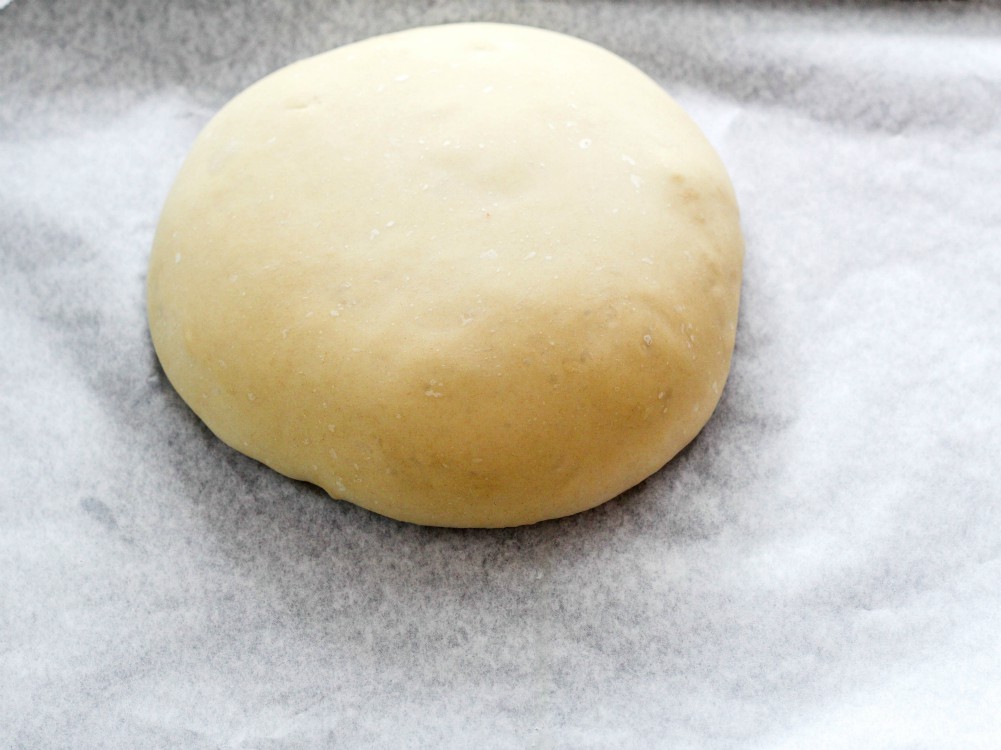
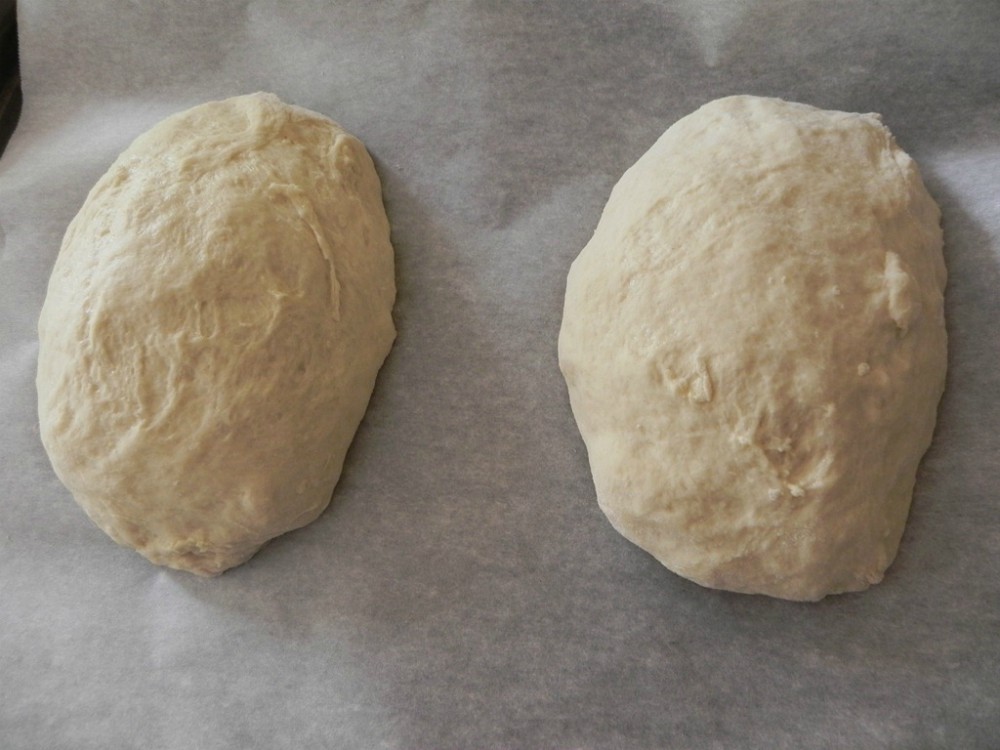
Half an hour later, it was probably doubled in size. I then mixed in with my dough hook the rest of the flour. I put a little more flour on my counter and worked the dough just a little bit into two really cute loaves.
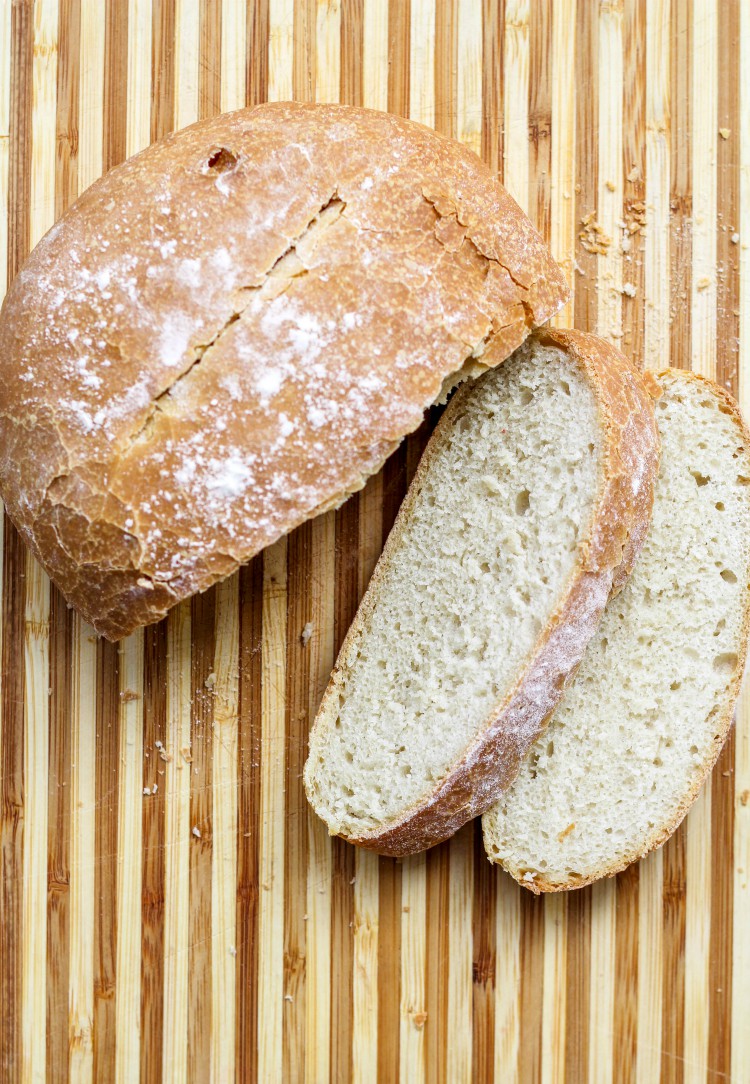
I let the dough rise like the recipe says for 15 minutes in my cold oven and I then turned on the oven to 425 F. The total rising time is 45 minutes: 30 minutes before you add all the flour, 15 minutes when the loaves are formed and put in a cold oven on baking tray.
I baked it for about 40 minutes. I lowered the heat a little after 30 minutes.
What ingredients are needed for Psomi Spitiko?
- bread (or all-purpose) flour (I used AP flour. I was out of bread flour)
- dry yeast
- olive oil
- salt
- sesame seeds, optional to sprinkle on top of loaves before baking
Here are the steps it takes to make this delicious Greek bread
The recipe yields 2 (1-lb) loaves.
- Dissolve yeast in the warm water.
- In a mixing bowl, combine 1 ½ cups of flour, salt, oil, and yeast with water, and mix until thoroughly blended. Cover tightly (plastic wrap works well) and let sit for 30 minutes.
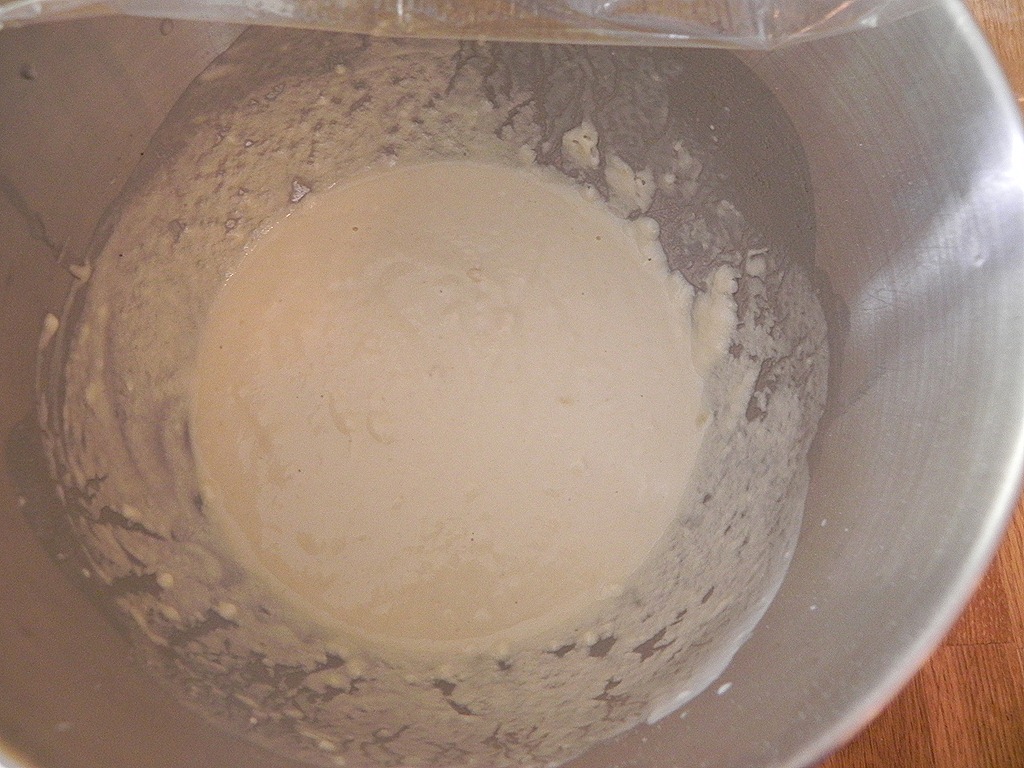
There are two ways to make the dough: using a mixer, and by hand.
METHOD #1 (Mixing bowl) *I used this method
- Mixing with pastry hooks, slowly add 2 cups of flour to the yeast mixture and knead until smooth. The dough will be very sticky and just needs enough additional flour so it can be handled.
- Sprinkle a work surface with the remaining ¼ cup of flour and turn out the dough, kneading briefly by hand, pulling in the flour, until it doesn't stick to hands. *make sure your flour is near by to add more as needed. It can be very sticky and you may need to add more flour as you gently kneed it.
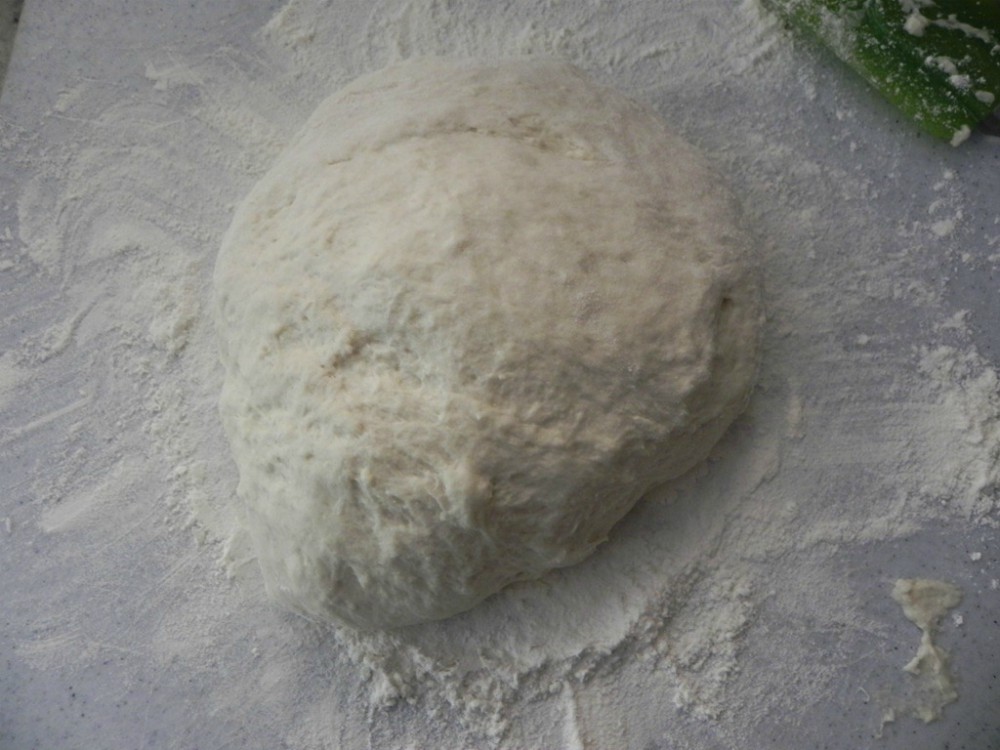
- Shape it into two loaves.
METHOD #2 (By hand)
- Add 1 ½ cups of flour to the yeast mixture and combine with hands to form a cohesive dough. Turn out onto a floured work surface and knead in as much of the remaining flour as needed until the dough is smooth and doesn't stick to hands.
Make the loaves:
- Shape into two loaves, place on parchment paper lined nonstick cookie sheet, and place on the middle rack in a cold oven for 15 minutes.
- Turn on oven to 425°F (220°C) and bake on the middle rack for 30 minutes or until golden.
- Cool on a rack.
The secrets of a perfectly baked psomi spitiko
- Patience and good timing. It is best to bake it in a stone oven for about 40 minutes, which will give the bread an amazing crusty texture with a fluffy interior.
- The oven should be preheated to at 425°F and the bread should be placed in the middle of the oven.
- To achieve a golden brown color, brush the top with olive oil or melted butter before baking.
One of the most popular Greek breads is pita or pocket bread. It is usually served with various salads, soups, and spreads such as tzatziki. Another popular type of bread is hortopites, which are made with freshly-picked greens like spinach , dill, and other herbs. The island of Crete has its own unique bread called rusks, which is made with olive oil, salt, and sesame seeds. Another popular type of bread is the Greek flatbread known as lagana. Lagana is made with yeast and is traditionally served during Easter. One of the most beloved Greek breads is tsoureki, which is a sweet, brioche-like bread that is flavored with orange zest and mahlepi (ground mahlab - a nutty spice). Tsoureki is traditionally served during Greek Easter celebrations. There is also psomi spitiko or country bread that is made with flour, water and salt.
The most common phrase for a Greek bread is "psomi" or "psomakia". This translates to simply mean "bread", but depending on the region, this can refer to a range of different breads.
Greek bread typically consists of ingredients such as flour, water, salt, yeast and olive oil. It can be prepared in a variety of ways including making it into flatbreads, or baking it in the oven to create loaves. Greek bread is often used for dipping sauces and spreads like tzatziki.
Greek pita is known as pita or pocket bread. It is a type of flatbread which is served with various salads, soups and spreads such as tzatziki.
The flatbread commonly used in Greece is called lagana. It is made with yeast and traditionally served during Easter. Lagana is usually eaten with dips such as tzatziki or taramosalata, or as a side dish to several dishes like souvlaki or stifado.
Some other homemade bread recipes:
I originally found this recipe on About.com ...back in 2011, but the link is no longer available.
Did you make this and love it? Please RATE THE RECIPE below:)
I would LOVE IT if you can leave me a star rating and a review down below and let me know your thoughts! It means the world to me to hear how you liked it.
Please Subscribe and give a follow on Instagram, Facebook, Pinterest, and TikTok xx
Psomi Spitiko
Ingredients
- 3 ¾ cups of bread or all-purpose flour (I used AP flour. I was out of bread flour)
- 1½ cups of lukewarm water
- 1 packet ¼ oz of dry yeast
- 2 tablespoons of olive oil
- teaspoon of salt
- sesame seeds optional to sprinkle on top before baking
Instructions
Dissolve yeast in the warm water.
- Be sure to do this step. This is the first step no matter if you mix with a mixer or by hand. In a mixing bowl, combine 1 ½ cups of flour, salt, oil, and yeast with water, and mix until thoroughly blended. Cover tightly (plastic wrap works well) and let sit for 30 minutes.
- There are two ways to make the dough: using a mixer, and by hand.
METHOD # 1: By mixer:
- Mixing bowl: (I used this method)
- Mixing with pastry hooks, slowly add 2 cups of flour to the yeast mixture and knead until smooth. The dough will be very sticky and just needs enough additional flour so it can be handled.
- Sprinkle a work surface with the remaining ¼ cup of flour and turn out the dough, kneading briefly by hand, pulling in the flour, until it doesn't stick to hands. *make sure your flour is near by to add more as needed. It can be very sticky and you may need to add more flour as you gently kneed it.
METHOD # 2: By hand:
- Add 2 cups of flour to the yeast mixture and combine with hands to form a cohesive dough. Sprinkle a work surface with the remaining ¼ cup of flour and turn out the dough, kneading briefly by hand, pulling in the flour, until it doesn't stick to hands. *make sure your flour is near by to add more as needed. It can be very sticky and you may need to add more flour as you gently kneed it.
Make the Loaves
- Shape into two loaves, place on parchment paper lined nonstick cookie sheet, and place on the middle rack in a cold oven for 15 minutes.
- Turn on oven to 425°F (220°C) and bake on the middle rack for 40 minutes or until golden. Check loaves at about 35 mins. Every oven is different, so yours may be ready at about 35 mins.
- Cool on a rack.
Nutrition Disclaimer
Please keep in mind that the nutritional information presented below is an approximation and may vary depending on the exact ingredients used.
Notes
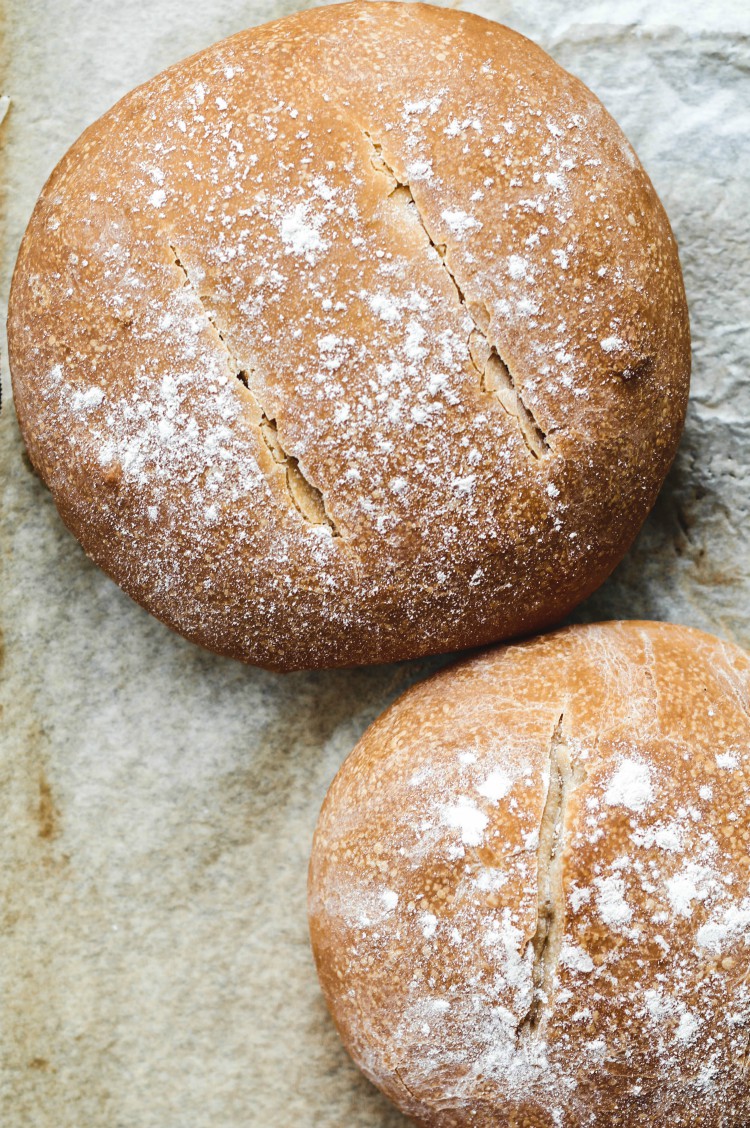
To create a more crusty top, just before baking score the loaves 2-3 times diagonally across the top.
Optionally, just before baking, brush the top of the loaves with water and sprinkle with sesame seeds before placing in cold oven.
I just made this bread yesterday and it was SO easy and reminds me of the Greek restaurant bread where I live (this is both great and bad news lol) I was wondering if you have an option for wheat? could I just sub the same about inf white flour for wheat flour? thank you for sharing, its delicious and so easy!
Question. You say to put the loaves in a cold oven for 15 minutes then turn oven to 425. Do you take the loaves out of oven and preheat, or leave them in while oven is heating???
Hi Marianne-Yes, it stays in the oven and the oven heats and it bakes. Set a timer to check on it (like I mention in instructions). ENJOY!
great recipe, been making it for years already
Hi Pam-THANK you for letting me know you have been making the psomi spitiko for years. So happy you enjoy! It is a keeper!
I can’t wait to try this recipe. When I was a youngster my next door neighbors were from Greece. Rosie made her own bread. I used to help her carry the loaves upstairs to rise under the covers of their bed “because it’s the warmest place in the house.” Your comment about the dryer brought that memory back to me. Thank you
Hi Lynn-That's so nice that you had Greek neighbors and Rosie made her own bread. My husband's family in Calabria makes bread every week and they put it under comforters on a bed to rise. Hope you try out the recipe soon!