Planning a trip to the Dolomites in Italy? This guide covers the best things to do, top hikes, where to stay, and practical tips for visiting one of the most stunning mountain ranges in the world.
If you're building a bigger Italy trip, check out my Venice travel guide, my Bolzano travel guide, and my Italy travel tips for first-timers before you go.
This travel guide contains affiliate links which supports us at no extra cost to you.
Jump To
The Dolomites stopped me in my tracks the first time I saw them. These jagged, pale limestone peaks rising out of green alpine meadows look almost too dramatic to be real - and yet here they are, sitting in northeastern Italy, waiting to be explored. Whether you're coming to hike, ski, eat your way through South Tyrol, or just drive the mountain passes with the windows down, the Dolomites will absolutely deliver.
Things to Do in the Dolomites
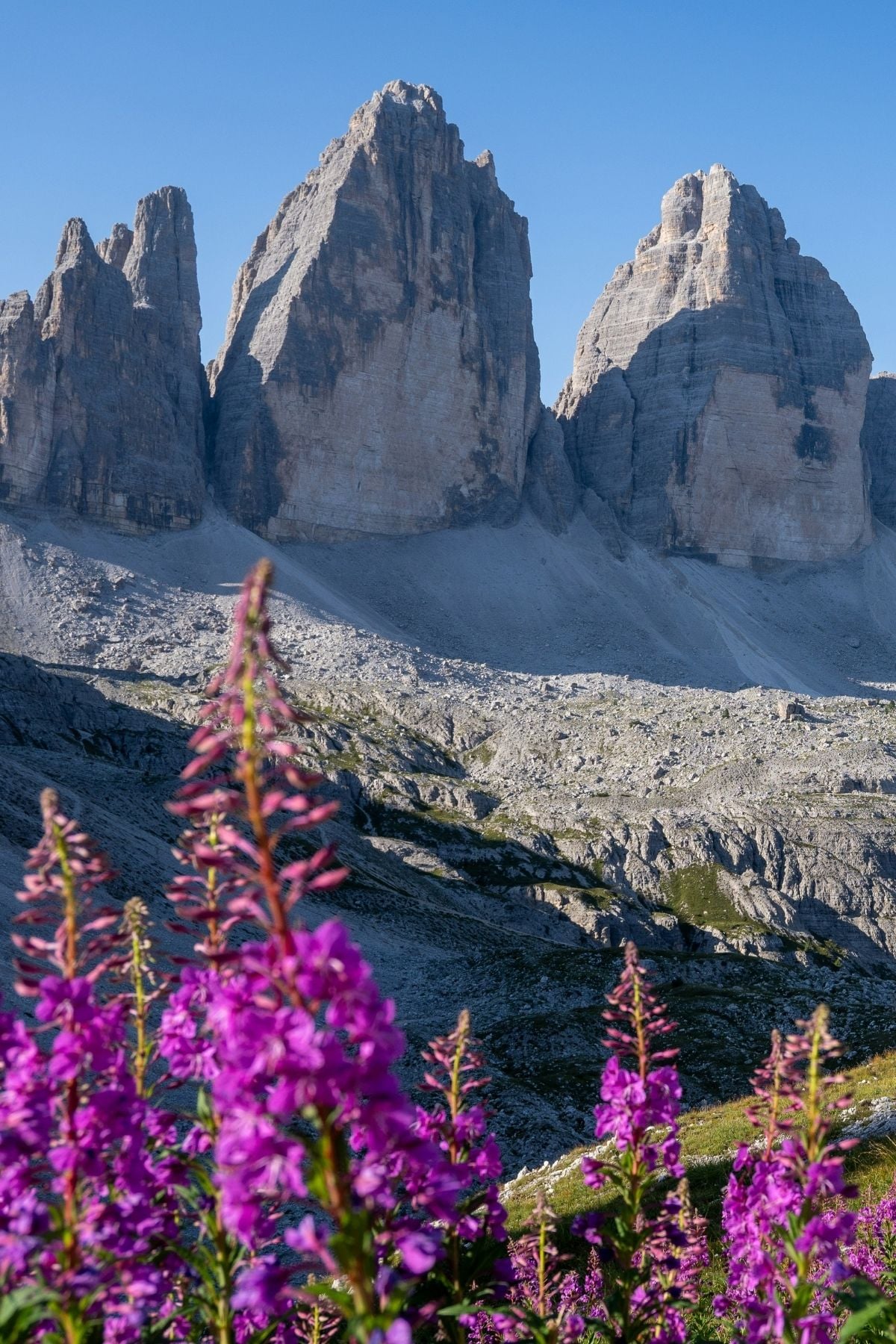
Hike Around Tre Cime di Lavaredo
The three iconic rocky spires of Tre Cime are the most photographed sight in the Dolomites - and the circular trail around them (about 10 km, relatively easy) is one of the best hikes in all of Italy. I'd go early, before 7:30am if you can manage it. The parking area fills up fast in summer and the crowds by mid-morning are real.
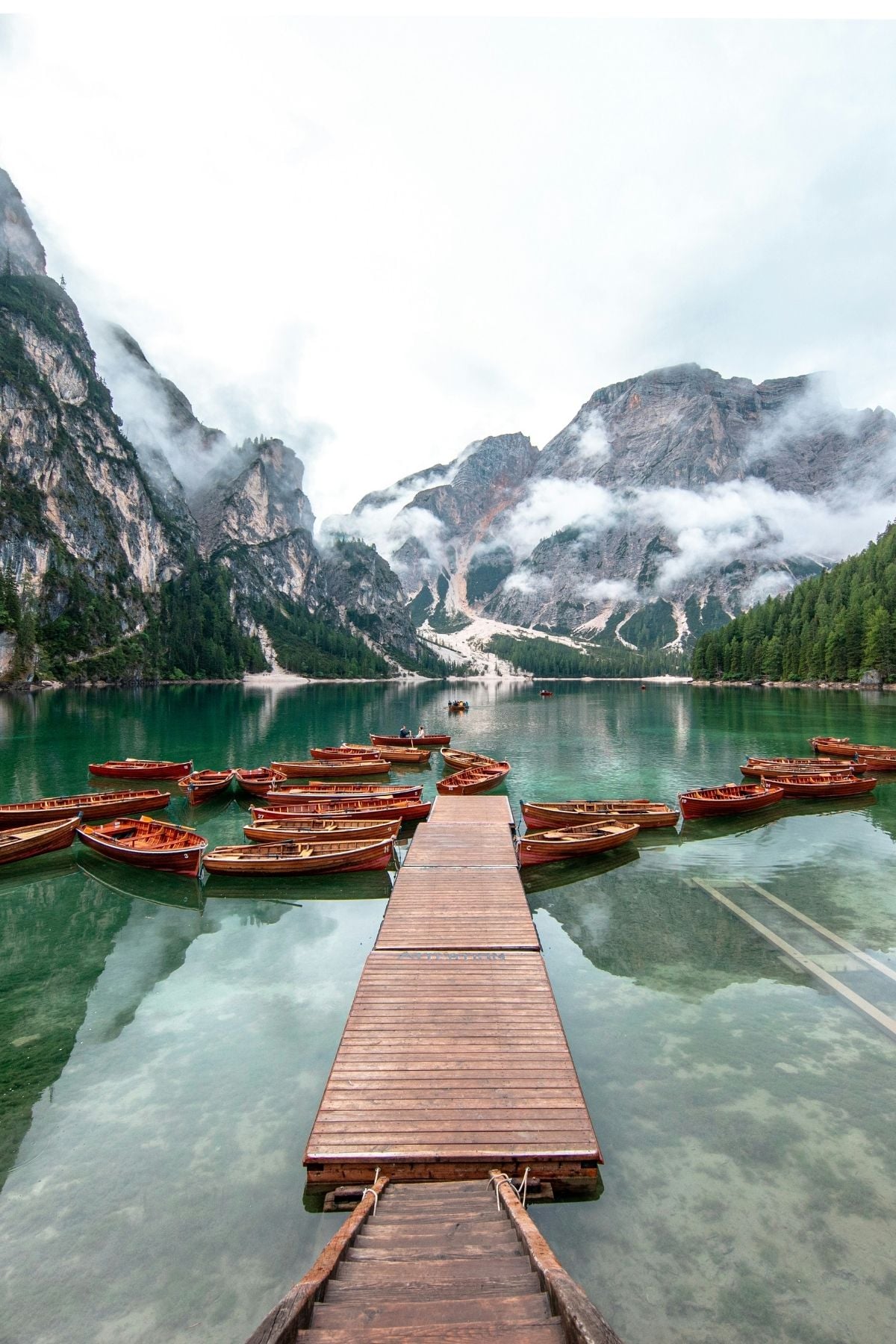
Visit Lago di Braies
This impossibly turquoise glacial lake surrounded by mountains is stunning. Rowing a wooden boat across it at sunrise is one of those Italy memories that sticks with you forever. Note: between July and early September, cars are banned from the access road between 9:30am and 4pm - plan your timing accordingly or take the shuttle from Braies village.
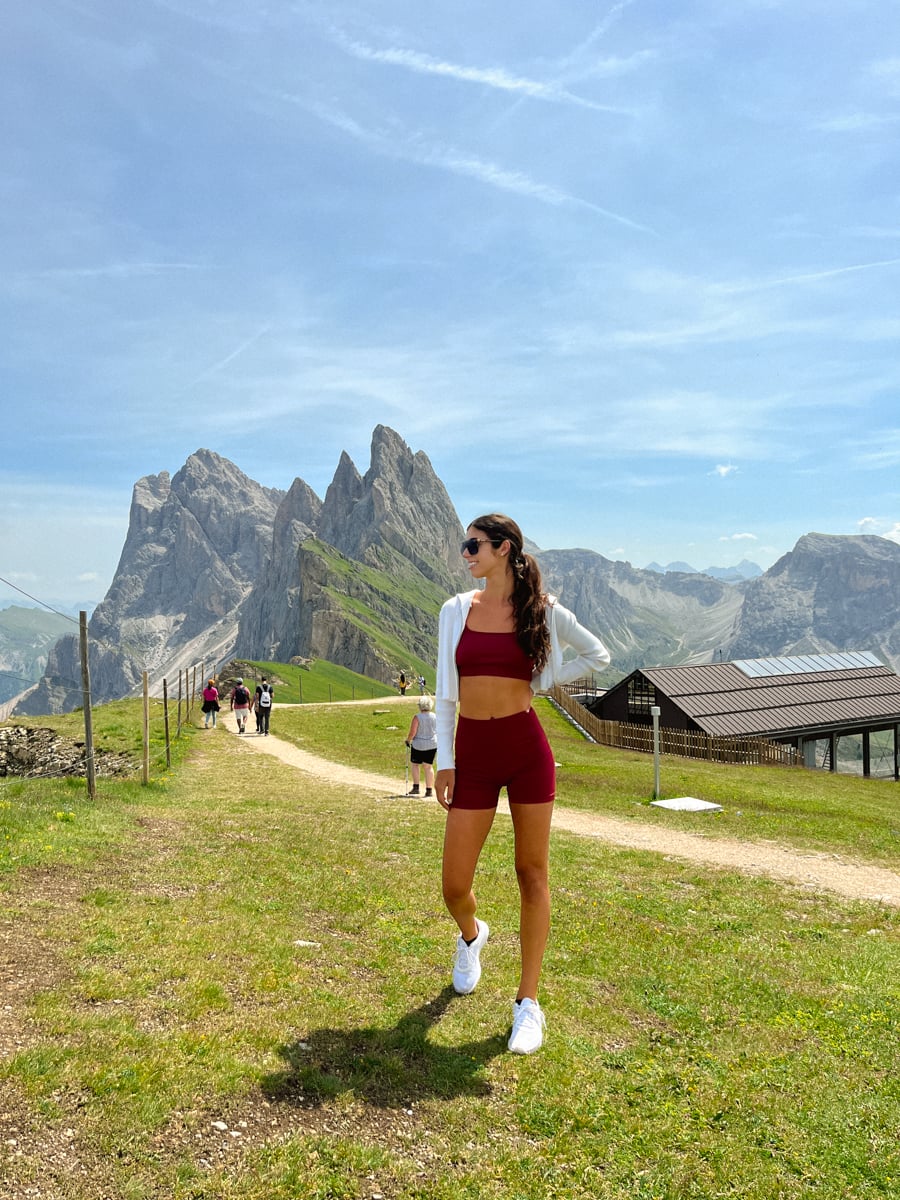
Take the Cable Car to Seceda
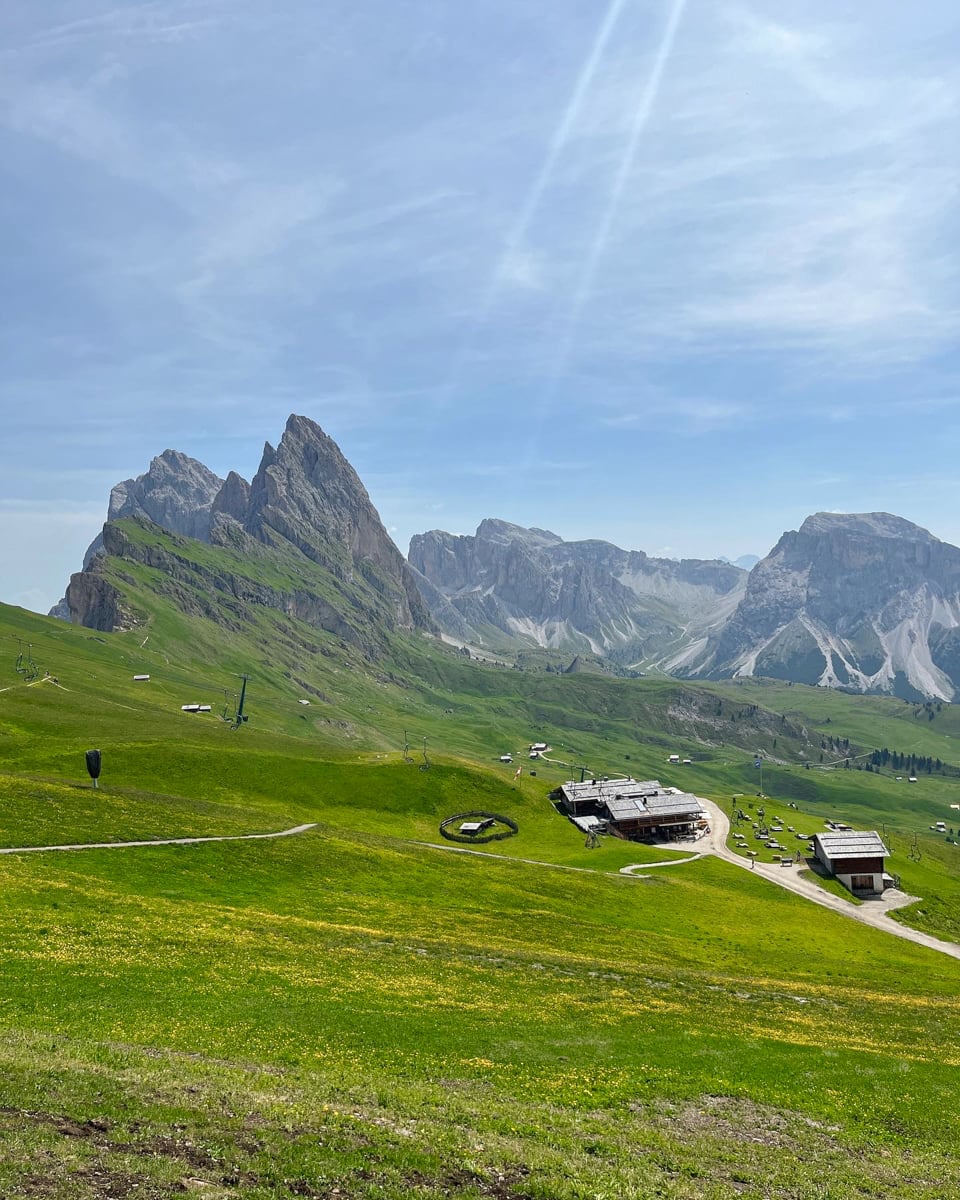
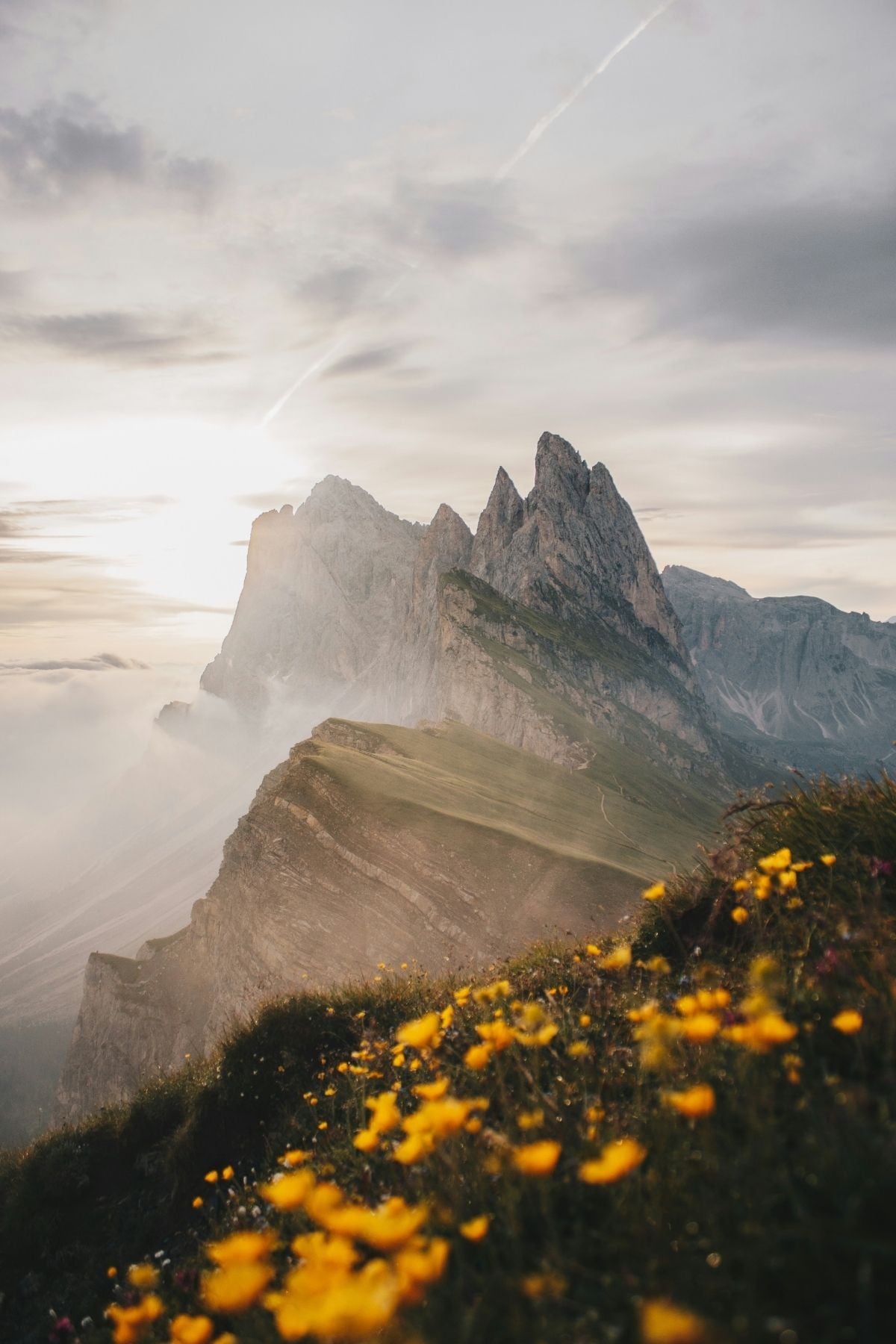
The Seceda ridgeline in Val Gardena is one of the most dramatic viewpoints in the Dolomites. Take the cable car from Ortisei (or hike up if you have the legs for it) and you'll find yourself on a sweeping ridge with the jagged Odle peaks in front of you and the green valley far below. Worth every cent of the cable car ticket.
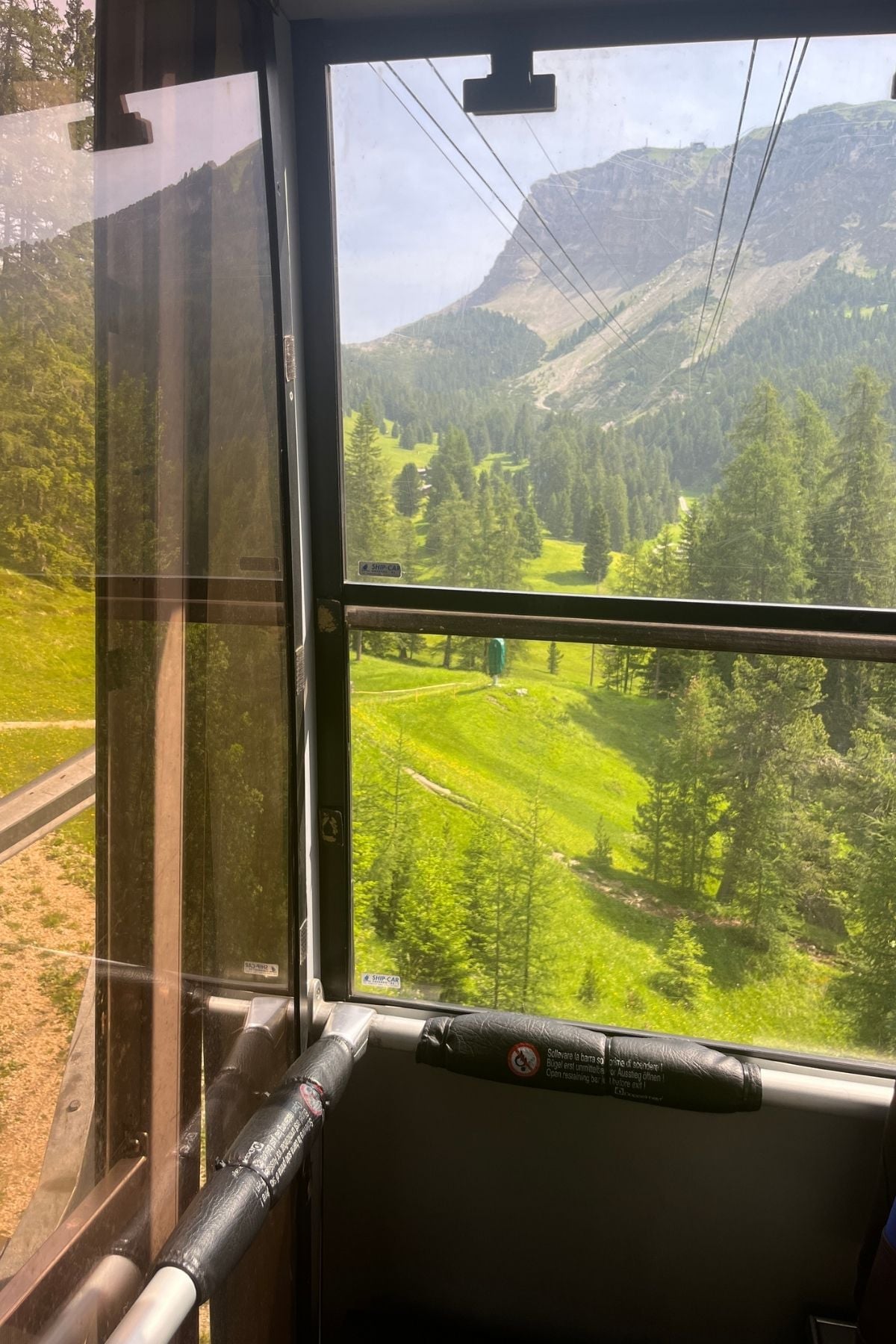
Explore Alpe di Siusi
The largest high-altitude alpine meadow in Europe, sitting above Val Gardena. In summer it's blanketed with wildflowers and dotted with rifugi (mountain huts); in winter it's a skiing paradise. Cars are restricted - take the cable car from Ortisei or Siusi and spend the day walking or cycling through it.
Drive the Great Dolomites Road
The Grande Strada delle Dolomiti winds through some of the most spectacular mountain scenery in Europe, connecting Bolzano to Cortina d'Ampezzo via the Pordoi Pass, Falzarego Pass, and Valparola Pass. I'd start in Bolzano in the morning, grab a coffee, and drive east - no fixed agenda, just stopping wherever I felt like it. The drive itself is the destination.
Cortina d'Ampezzo
The queen of the Dolomites and host of the 2026 Winter Olympics. Cortina is upscale, beautiful, and perfectly positioned for exploring the eastern Dolomites. Even if you're not skiing, the town is worth a wander - great food, great shopping, and gondola rides up to the surrounding peaks.
Hike Val di Funes to Santa Maddalena
The little village of Santa Maddalena, with its white church in the foreground and the Odle peaks behind it, is one of the most iconic images of the Dolomites. The walk through Val di Funes to get there is gorgeous and not too difficult. A must if you're in the western Dolomites.
Stay in a Rifugio
One of the most special things you can do in the Dolomites is spend a night in a rifugio - a mountain hut perched high on a ridge or beside a lake, accessible only on foot. Simple rooms, hearty South Tyrolean food, and waking up in the mountains before the day-trippers arrive. If I could only pick one experience from my time in the Dolomites, this would be it. Rifugio Lagazuoi and Rifugio Auronzo (near Tre Cime) are two of the most iconic.
Where Are the Dolomites?
The Dolomites are a UNESCO World Heritage mountain range in northeastern Italy, spanning three regions: Trentino-Alto Adige (South Tyrol), Veneto, and Friuli Venezia Giulia. The main bases for visitors are Cortina d'Ampezzo (eastern Dolomites), Val Gardena, and Bolzano (western Dolomites), and the area around Lago di Braies in the north.
How to Get There
By car: The most flexible option and the one I always recommend. I'd fly into Venice Marco Polo or Verona Villafranca Airport, pick up a rental car right at the airport, and drive straight into the mountains from there. Bolzano is about 3.5 hours from Milan and 4 hours from Venice. Cortina d'Ampezzo is about 2 hours from Venice. The mountain passes are part of the experience - driving them is not a chore.
By train: The closest major train stations are Bolzano (well connected to Milan, Verona, and Venice) and Calalzo di Cadore (for Cortina). From both you'll need a car or bus to reach the mountains. I'd still recommend picking up a rental car in Bolzano - it gives you so much more freedom.
From Venice: My favorite starting point for a Dolomites trip. About 2 hours by car to Cortina - easy to combine into a bigger northern Italy trip. Read my Venice guide if you're pairing the two.
How Many Days Do You Need?
Minimum 3 days. Ideal is 5 to 7 days if you want to explore both the eastern and western Dolomites. With 3 days you can do the main highlights - Tre Cime, Lago di Braies, Seceda - but you'll feel rushed. A week lets you slow down, do longer hikes, and actually enjoy the rifugi and mountain passes.
Best Time to Visit
June through September is peak hiking season. July and August are the most popular months - the wildflowers are out, all the cable cars and rifugi are open, and the weather is reliably good. The trade-off is crowds, especially at Lago di Braies and Tre Cime.
Late June or September are my picks for the sweet spot: good weather, fewer people, and the landscape is stunning in both early summer green and early autumn gold.
December through March is ski season. The Dolomiti Superski network is one of the best in the world. Cortina and Val Gardena are the main hubs.
October and November and April through May: many cable cars and rifugi are closed for the shoulder season. Beautiful but limited access - check ahead.
Where to Eat
The food in the Dolomites is heavily influenced by Austria and the Germanic South Tyrolean culture. Think hearty, comforting, delicious.
What to order: Speck (cured mountain ham), canederli (bread dumplings in broth), schlutzkrapfen (spinach and ricotta pasta), polenta with venison ragù, Lagrein wine (a bold red from the South Tyrol), apple strudel.
Snetonstube (Ortisei): A classic South Tyrolean dinner: risotto al Lagrein, deer meat, polenta, local cheeses. Exactly what you want after a day of hiking.
Rifugio Lagazuoi: Eat lunch on the terrace at 2,778m above sea level with views of the Falzarego Pass. The canederli here are famous. Get up there via the cable car from Passo Falzarego.
Restaurants in Cortina: The town has a strong food scene. For a mid-range, local experience, skip the tourist-facing spots on the main Corso and look one street back - that's where the locals eat.
Where to Stay in the Dolomites
Base yourself in Cortina d'Ampezzo for the eastern Dolomites or Ortisei (Val Gardena) for the western side. Both are excellent hubs with good access to the main sights. If you can swing a night in a rifugio, do it - it's one of the most memorable experiences the Dolomites offer.
Forestis Dolomites (Luxury) An adults-only mountain retreat above Brixen with jaw-dropping views, a stunning spa, and an architectural design that makes you feel like you're floating in the peaks. One of the most beautiful hotels in Italy, full stop. 👉 Book on Booking.com
Grand Hotel Savoia Cortina, Radisson Collection (Luxury) A historic 5-star in the heart of Cortina d'Ampezzo, recently renovated with style. Great location for exploring Cortina and the eastern Dolomites. 👉 Book on Booking.com
Gardena Grödnerhof Hotel & Spa (Mid-range) Well-located in Ortisei in Val Gardena, with a good spa and easy access to Seceda and Alpe di Siusi. Solid choice for hikers. 👉 Book on Booking.com
Dorfhotel Beludei (Mid-range) A charming chalet-style hotel in Santa Cristina (Val Gardena) with rooms built from alpine wood and a cozy, authentic South Tyrolean feel. Great value for the area. 👉 Book on Booking.com
Hotel Serena Cortina (Budget) A reliable, well-located budget option in Cortina. Clean, comfortable, and close to the town center and lifts. 👉 Book on Booking.com
X Alp Hotel (Budget) A practical, affordable base between Lago di Carezza and Canazei - great if you want easy access to both the eastern and western highlights without spending a lot on accommodation. 👉 Book on Booking.com
Hidden Gems and Local Tips
Lago di Carezza: This small lake near the Carezza pass has the color of a gemstone and reflects the surrounding peaks. Far less crowded than Lago di Braies and equally beautiful. Easy to reach by car.
Val di Cembra: A lesser-visited valley south of the main tourist trail with terraced vineyards, local wineries, and almost no crowds. Great for wine lovers who want to get off the beaten path.
Go early - always: At Lago di Braies, Tre Cime, and Seceda, arriving before 8am makes a huge difference. The light is better and the crowds haven't arrived yet.
Eat at the rifugi: Even if you're not hiking, you can usually reach a rifugio by cable car and have lunch on the terrace. The canederli, speck boards, and local wines at altitude are a highlight of any Dolomites trip.
Learn a bit of German: In South Tyrol, many locals speak German as their first language and Italian as their second. A simple "Danke" or "Guten Morgen" goes a long way.
Book rifugio stays months ahead: The most popular rifugi (Lagazuoi, Auronzo, Scotoni) fill up in June for July and August. If a rifugio night is on your list, book early.
Dolomites Itinerary
Day 1: Arrive and Get Oriented
I'd fly into Venice or Verona, pick up my rental car at the airport, and drive straight up to Bolzano or Cortina. Spend the first afternoon driving one of the mountain passes - even just an hour on the road sets the tone for the whole trip. Dinner in town with a glass of Lagrein.
Day 2: Eastern Dolomites - Lago di Braies + Tre Cime
Early start to Lago di Braies (before 9am). Rent a rowboat if you can. Then drive to the Tre Cime parking area and do the circular loop (about 2.5 hours at an easy pace). This is a big day but doable - and deeply satisfying.
Day 3: Val Gardena - Seceda + Alpe di Siusi
Take the cable car to Seceda in the morning for the ridgeline views. In the afternoon, head to Alpe di Siusi for a walk through the meadows. Dinner in Ortisei.
Day 4: Val di Funes + Drive the Great Dolomites Road
Morning walk in Val di Funes to Santa Maddalena. Then take the scenic drive along the Grande Strada delle Dolomiti - Pordoi Pass, Falzarego Pass, into Cortina. Stop for lunch at Rifugio Lagazuoi if the cable car is running.
Day 5: Cortina + Rest
Explore Cortina on foot, take a gondola up for views, and enjoy a long lunch. This is your slower day - the Dolomites are better savored than rushed.
Travel Tips
- You need a car. End of discussion. The mountains are not navigable without one.
- Book accommodation early. Summer in the Dolomites is high season and the best places fill up fast - especially rifugi.
- Carry layers. Even in July, mountain temperatures drop fast in the afternoon and after rain.
- ZTL zones exist. Some valley roads (including the access road to Lago di Braies in summer) have restricted driving hours. Check ahead.
- Download offline maps. Mobile signal is unreliable in the mountains.
- Hiking boots matter. The trails are rocky and uneven. Don't attempt the main hikes in sneakers.
FAQ
What are the Dolomites best known for? The Dolomites are famous for their dramatic pale limestone peaks, world-class hiking and skiing, stunning alpine lakes like Lago di Braies, and iconic landmarks like Tre Cime di Lavaredo. They're a UNESCO World Heritage Site and one of the most beautiful mountain ranges in Europe.
How do I get to the Dolomites from Venice? By rental car, about 2 hours to Cortina d'Ampezzo. This is the easiest and most common route. There's also a bus service from Venice to Cortina in summer, but a car gives you far more flexibility.
What is the best base for the Dolomites? Cortina d'Ampezzo for the eastern Dolomites. Ortisei or Santa Cristina in Val Gardena for the western side. For a longer trip, base yourself in both.
When should I visit the Dolomites? Late June and September are the sweet spots: great weather, fewer crowds than July and August, and full access to hikes and cable cars.
Do I need to be an experienced hiker? No. The most famous sights (Tre Cime loop, Seceda ridgeline via cable car, Lago di Braies, Alpe di Siusi) are accessible to anyone in reasonable shape. More challenging routes exist for experienced hikers, but the highlights are genuinely doable for most people.