Planning a trip to Val d'Orcia, Tuscany? This guide covers the best things to do, where to stay, where to eat, and practical tips for visiting this stunning UNESCO World Heritage valley. Everything you need, nothing you don't.
Before you go, read my complete Siena travel guide and my first-time Italy travel tips to plan your trip from start to finish.
This travel guide contains affiliate links which supports us at no extra cost to you.
Jump To
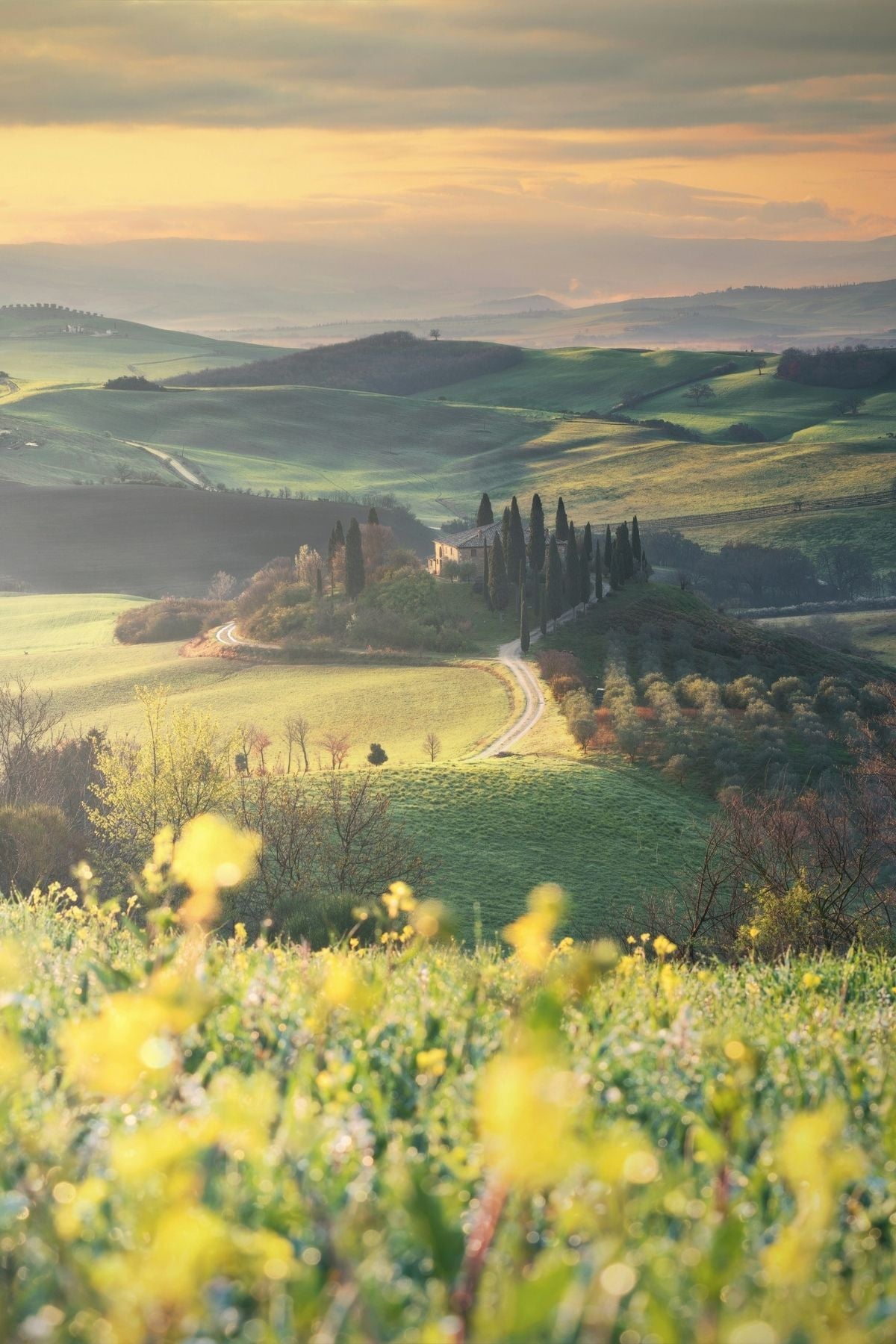
Val d'Orcia is the rolling hills, cypress-lined roads, and golden fields you've seen in every Tuscany photo. It's real, it's stunning, and it's one of the most rewarding places I've visited in Italy. Here's everything you need to know to visit it well.
Things to Do in Val d'Orcia
Explore Pienza
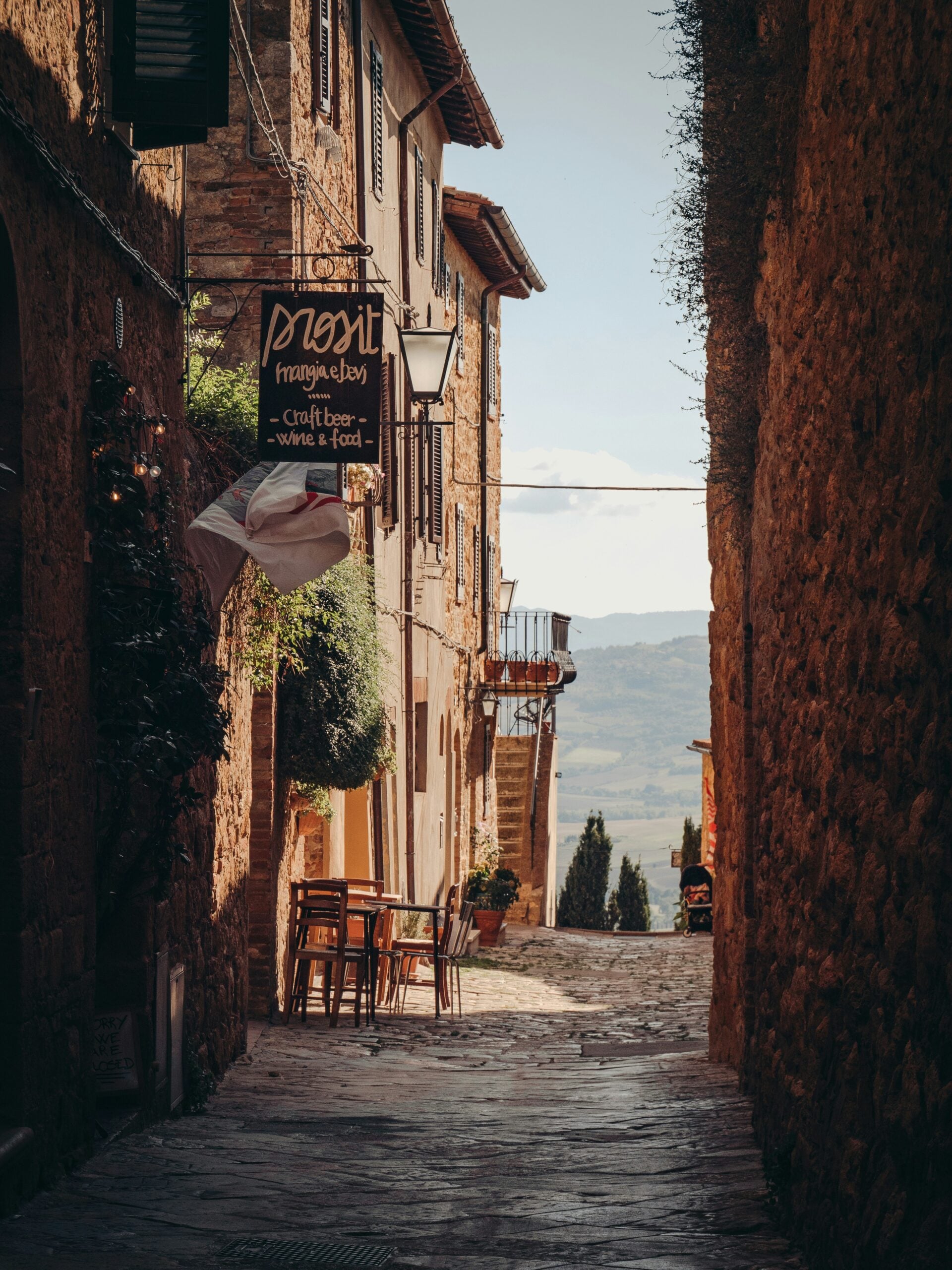
The crown jewel of the Orcia valley. Pope Pius II designed it as a "perfect Renaissance city" in the 15th century and the result is genuinely beautiful. Walk Piazza Pio II, pop into the cathedral, and stock up on Pienza's famous pecorino cheese before you leave. Don't skip it.
Taste Brunello in Montalcino
Montalcino sits on a hilltop above the valley and produces one of Italy's greatest red wines. Visit a winery outside town for a proper estate tasting, then walk up to the 14th-century fortress for views over the Val d'Orcia rolling hills that will stop you in your tracks.
Soak at Bagno Vignoni
Instead of a normal piazza, Bagno Vignoni has a 16th-century thermal pool at its center. You can't swim in it, but nearby you'll find natural soaking spots at the old mills. Even better: drive 30 minutes south to Bagni San Filippo, where free thermal pools sit inside a forest surrounded by white limestone formations. Locals love it and most tourists miss it entirely.
Wander Montepulciano
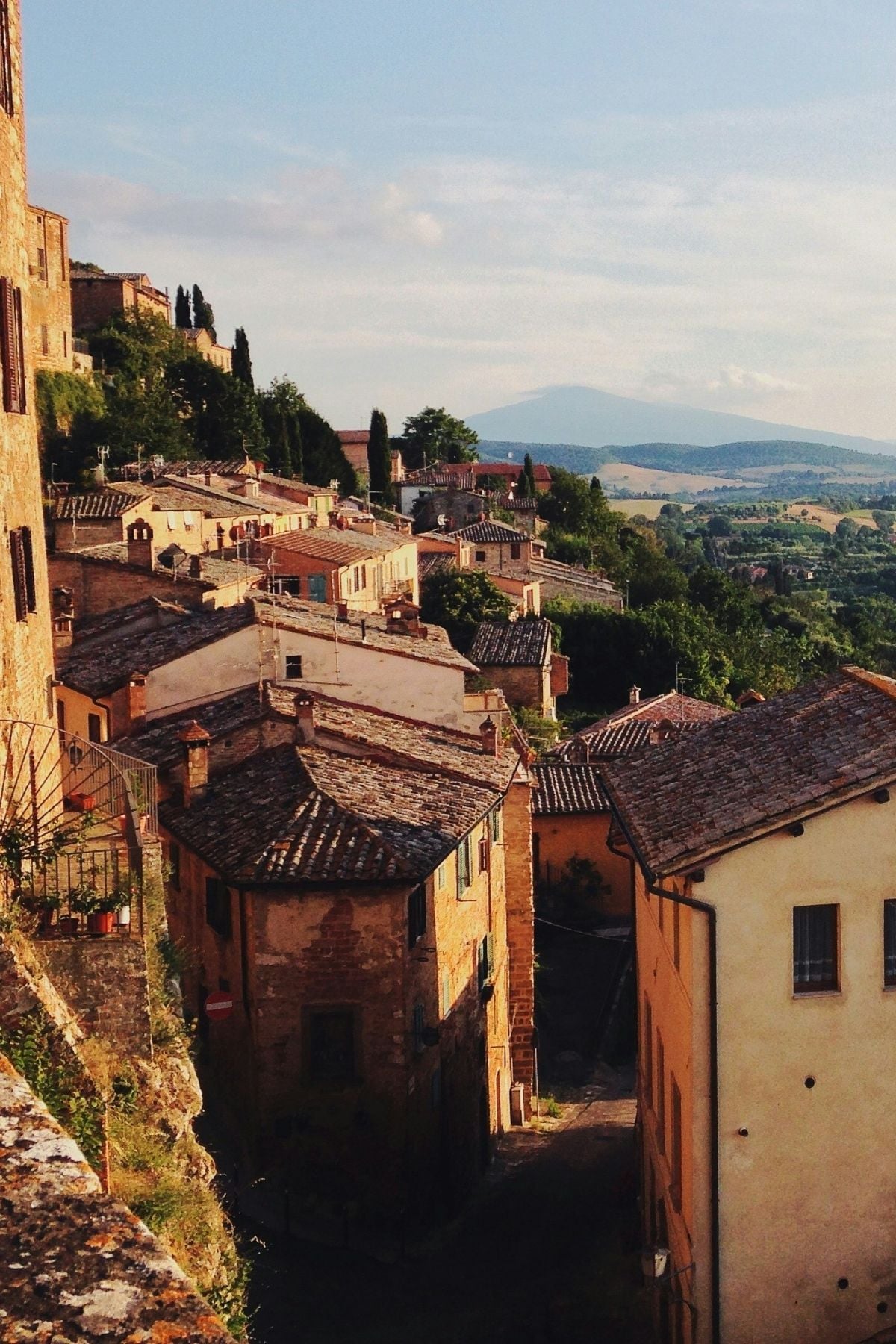
A dramatic hilltop town overlooking both Val d'Orcia and Val di Chiana. Walk the steep Corso to the top, try Vino Nobile di Montepulciano in a cellar along the way, and catch the view from Piazza Grande. It's worth the uphill walk.
Drive the Cypress Roads
Honestly, just driving in Val d'Orcia is one of the best things to do. The strade bianche (white gravel roads) lined with cypress trees are as beautiful in real life as in photos. No agenda needed - just drive, stop when something catches your eye, and enjoy the Tuscany rolling hills scenery.
Visit the Cappella di Vitaleta
This tiny chapel between Pienza and San Quirico d'Orcia is one of the most photographed spots in all of Tuscany. A quick 20-minute stop, best in late afternoon light or during spring when the surrounding fields are green.
See the Abbey of Sant'Antimo
A working Benedictine monastery south of Montalcino, sitting alone in a valley of olive trees. Visit at 11am or 6pm to hear the monks chant. One of the most peaceful experiences in the region.
Stop in San Quirico d'Orcia
Often skipped, always worth it. A quiet town with a beautiful Romanesque church and the free Horti Leonini Renaissance garden. No crowds, no rush.
Where Is Val d'Orcia?
Val d'Orcia (the valley of the Orcia River) is in southern Tuscany, in the province of Siena. It stretches roughly between Montalcino to the west and Montepulciano to the east. It's been a UNESCO World Heritage Site since 2004. Main villages: Pienza, Montalcino, Montepulciano, San Quirico d'Orcia, Bagno Vignoni, and Montichiello.
How to Get There
You need a car. There's no good way around it - the landscapes are between the towns, not in them.
From Florence: About 2 hours south via the A1 motorway toward Siena, then into the valley. If you're starting in Florence, check out my Florence travel guide first. From Siena: About 1 hour south. Siena is the closest major city - read my Siena guide if you're planning to combine the two. From Rome: About 2.5 hours north on the A1.
Day tours from Florence and Siena exist if you don't want to drive, but staying overnight is a completely different experience - and worth it.
How Many Days Do You Need?
Minimum 2 days. Ideal is 3 to 5. One day works as a day trip if you prioritize Pienza and a scenic drive, but you'll wish you had more time.
Best Time to Visit
Late April through May is the best time. Hills are vivid green, wildflowers are blooming, the Tuscany rolling hills scenery is at peak beauty, and it's not yet high summer.
September through October is a close second: grape harvest, truffle season, golden light.
June through August: Beautiful but crowded and very hot (35°C+). Book everything in advance.
Winter: Quiet and atmospheric, but many agriturismos close.
Where to Eat
Terrazza della Val d'Orcia (Pienza) - Local, seasonal, with views over the valley. The pici with wild boar ragù is excellent. Reserve ahead.
Podere Il Casale (near Pienza) - A working farm osteria with everything made on-site. Ribollita and hand-rolled pici are the highlights.
Boccon DiVino (Montalcino) - The splurge option: panoramic views, 1,000+ wine labels, and well-executed Tuscan classics.
L'Osteria del Leone (Bagno Vignoni) - Seasonal and local. Great for lunch after the thermal pools.
Dishes to order: pici cacio e pepe, pici al cinghiale (wild boar), Pienza pecorino with honey, bistecca, anything with truffle in season.
Where to Stay in Val d'Orcia ⭐
Base yourself between Pienza and Montalcino for easy access to everything. The best accommodation in the valley is in agriturismos - working farms that host guests, usually with a pool, home-cooked dinners, and views that make waking up early worth it.
Rosewood Castiglion del Bosco (Luxury) A 5,000-acre estate near Montalcino with its own Brunello winery, spa, and villa suites. The ultimate Val d'Orcia splurge. 👉 Book on Booking.com
Castello Banfi - Il Borgo (Luxury) A beautifully restored medieval estate overlooking its own vineyards near Montalcino. Stunning views, excellent wine list. 👉 Book on Booking.com
Agriturismo Il Rigo (Mid-range) One of the most loved agriturismos in the valley. Great hosts, farm-to-table dinners, sweeping Val d'Orcia views. 👉 Book on Booking.com
L'Olmo Pienza (Mid-range) Only 8 rooms, a gorgeous pool, and rolling countryside views just outside Pienza. Intimate and special. 👉 Book on Booking.com
Podere Chiaramonte (Budget) A peaceful, family-run agriturismo with a pool, homemade Tuscan meals, and genuine countryside charm. 👉 Book on Booking.com
Agriturismo Bonello (Budget) A restored farmhouse with panoramic valley views, a pool, and home-cooked dinners. Solid value for the area. 👉 Book on Booking.com
Hidden Gems and Local Tips
Bagni San Filippo: Free natural thermal pools in a forest setting, 30 minutes south of the valley. Most tourists miss it. Don't.
Montichiello: A tiny walled village near Pienza with almost no crowds and a great trattoria. Walk there from Pienza (4 km) or drive. I have a full guide on where to stay in Monticchiello if you want to base yourself there.
Drive at dawn: The strade bianche look completely different without other cars on them. Set an early alarm - it's worth it.
Buy wine at the cellar door: Prices are better than restaurants, and buying directly from a producer is always more memorable.
Bring cash: Many smaller restaurants, cheese shops, and wine producers don't take cards.
Val d'Orcia Itinerary
Day 1: Arrive and Drive
Check in, then do the scenic drive through the valley - no agenda, just stop when something looks beautiful. Make the Cappella di Vitaleta one of your first stops. Dinner at your agriturismo or in Pienza.
Day 2: Pienza, Montichiello, Bagno Vignoni
Morning in Pienza: cathedral, lanes, cheese shopping. Walk or drive to Montichiello for lunch. Afternoon at Bagno Vignoni for the thermal piazza and natural pools.
Day 3: Montalcino and the Abbey
Morning in Montalcino: fortress views and a Brunello tasting. Afternoon at the Abbey of Sant'Antimo (aim for 6pm for chanting). Stop at Bagni San Filippo on the way back. Dinner at Boccon DiVino.
Have a Day 4? Add Montepulciano and a winery estate visit. Absolutely worth it.
Travel Tips
- Rent a car. Book in advance for better rates.
- Book accommodation early. Top agriturismos fill up months ahead, especially in May and September.
- Carry cash. Many smaller places don't take cards.
- Reserve wineries in advance. Most require appointments.
- Wear comfortable shoes. The hilltop villages are steep and cobblestoned.
- Don't rush. The best moments here are unplanned.
FAQ
The iconic rolling hills of Tuscany, cypress-lined roads, UNESCO-protected Renaissance landscape, Brunello di Montalcino wine, Pienza pecorino, and some of Italy's most beautiful villages.
By rental car, about 2 hours south. You can also train to Siena (1.5 hours) and rent a car there.
Anywhere between Pienza and Montalcino. For a town center feel, stay in Pienza. For the full countryside experience, book an agriturismo outside the villages.
Pici pasta, Pienza pecorino, Brunello di Montalcino, Vino Nobile di Montepulciano, ribollita, and truffle dishes in season.
Yes if you love quiet and moody landscapes, but check ahead - many agriturismos and restaurants close November through March.