
If you're planning a trip to the Amalfi Coast, Amalfi town is one of the easiest places to base yourself.
I've spent time here, and while it's not as dramatic as Positano, it's way more practical. You have ferries, buses, restaurants, and everything within walking distance, which makes a huge difference when you're trying to get around.
In this guide, I'll break down what Amalfi town is really like, what to do, and whether it's the right place for your trip.

This article contains affiliate links which support us at no extra cost to you.
Jump To
- What is Amalfi Town?
- Where is the Town of Amalfi, Italy?
- What Amalfi Town is Like
- The Best Times to Visit the Town of Amalfi, Italy
- Pros and Cons of Staying in Amalfi
- Checking Into My Hotel
- The Best Hotels in Amalfi, Italy
- Where to Eat in Amalfi, Italy
- The Best Things to Do in Amalfi, Italy
- Is the Amalfi Coast Really Expensive?
- Is Amalfi or Positano Better?
- How Many Days in Amalfi, Italy is Enough?
- Summary and Final Thoughts
What is Amalfi Town?
Amalfi is a historic town on the Amalfi Coast in southern Italy. It was once a powerful maritime republic, and today it's one of the main hubs along the coast.
This is also where a lot of people get confused. Amalfi is both:
- and the name used for the entire Amalfi Coast
- a town
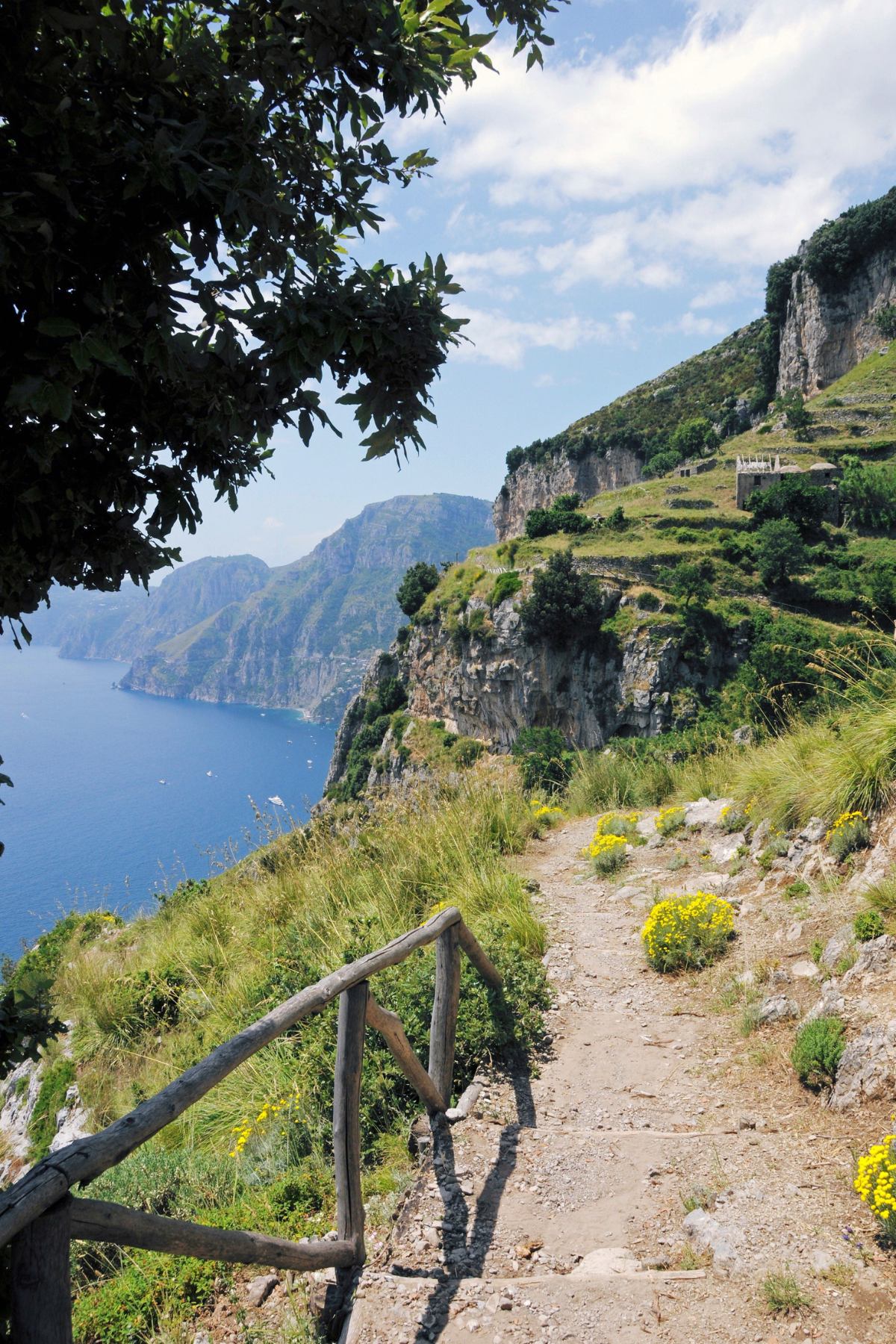
Where is the Town of Amalfi, Italy?
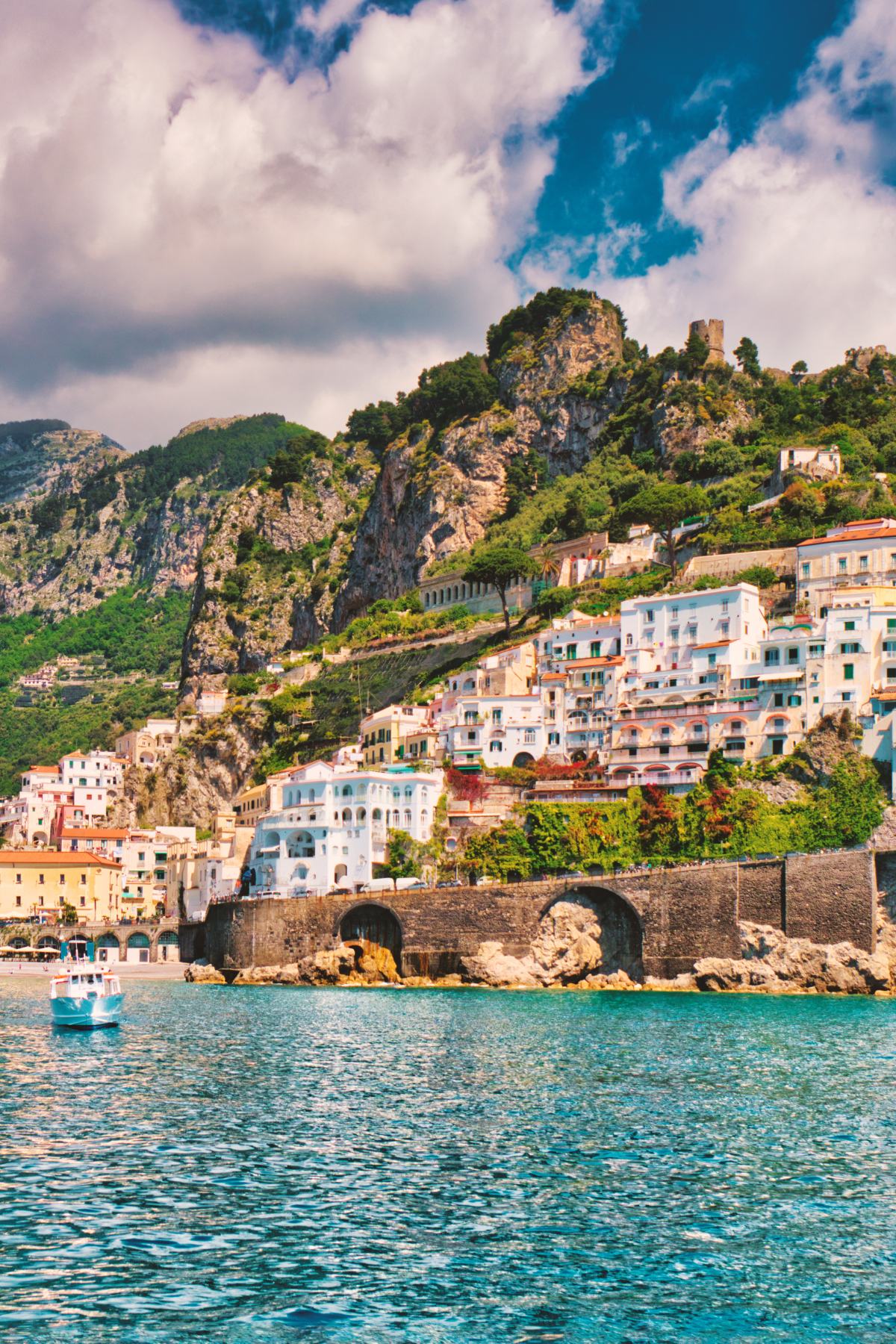
Perched on the southern edge of Italy's Sorrentine Peninsula, in a cove at the crumpled foot of Monte Cerreto and gazing out to sea, the town of Amalfi is the epicenter of the Amalfi Coast, celebrated the world over for its near-vertical landscapes and the colored splashes of its buildings. In these places, history isn't simply recalled, it is lived. And nowhere more so than under the shadow of the 9th-century Amalfi Cathedral, a relic and beacon, thrusting itself out against the aggressive cliffs.
🇮🇹 Did You Know?
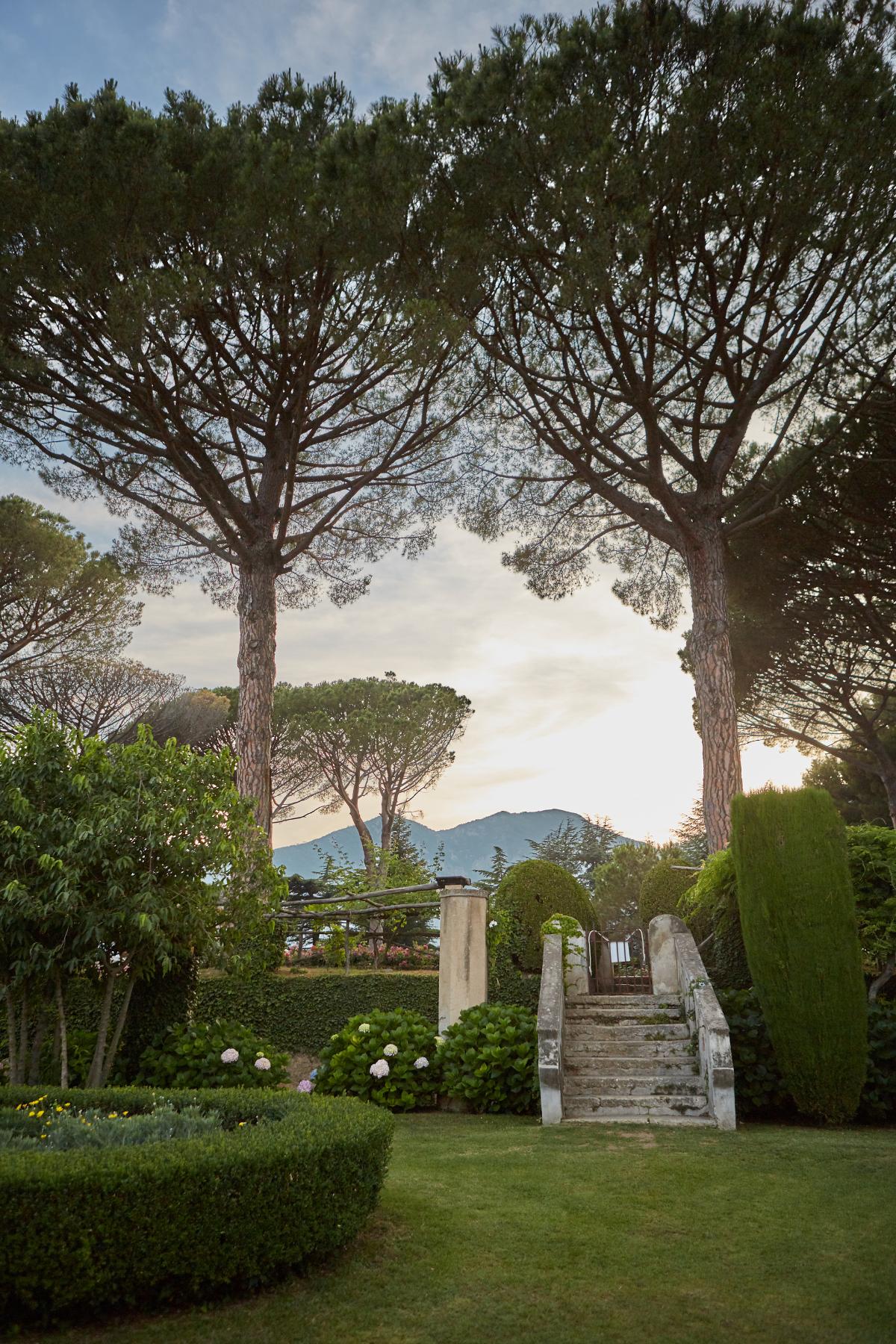
Film Location for "Wonder Woman": As well as being used as the backdrop for Themyscira in the 2017 Wonder Woman film, scenes were shot at Villa Cimbrone in Ravello, bringing the glamour of Hollywood.
What Amalfi Town is Like
Amalfi feels busy, central, and easy to navigate. Unlike Positano, which is built vertically with endless stairs, Amalfi is more walkable.
What you'll notice:
- A lively main square
- Easy access to ferries and buses
- Lots of day-trippers during the day
My take:
It gets crowded, but it's one of the most convenient places to stay if you want to explore multiple towns.
The Best Times to Visit the Town of Amalfi, Italy
May - June (best overall):
Warm weather, fewer crowds, and perfect for exploring. This is when I'd go if you want that ideal balance.
July - August (peak season):
Very crowded and expensive. Amalfi gets packed with day-trippers, and it can feel overwhelming mid-day.
September (my favorite):
Still warm enough for the beach, but way more enjoyable. The crowds start to calm down, and everything feels more relaxed.
October - April (off-season):
Quieter and cheaper, but many hotels and restaurants close, especially in winter.
My take:
If you want the Amalfi Coast experience without the chaos, go in late May, June, or September. It makes a huge difference.
My Arrival and First Impressions
I started out from Naples Central Station, the glorious grit of the city rolling by, getting on a regional rattler for a nice, cheap ride to Salerno - a good mix of beauty and travel time, just under an hour, which literally slices through a cross section of the soul of Southern Italy. You ride through fields and hamlets, pure old-world romance.
Salerno's the place you exchange steel tracks for tarmac, boarding a bus with the letters 'SITA' on its side and snaking on ribbons of road that cling limpet-like to cliff edges and, high above the rooftops, the great wide sea spreads out before you as you careen to Amalfi. You ride on the edge of the world, the wide wet sea your constant companion.
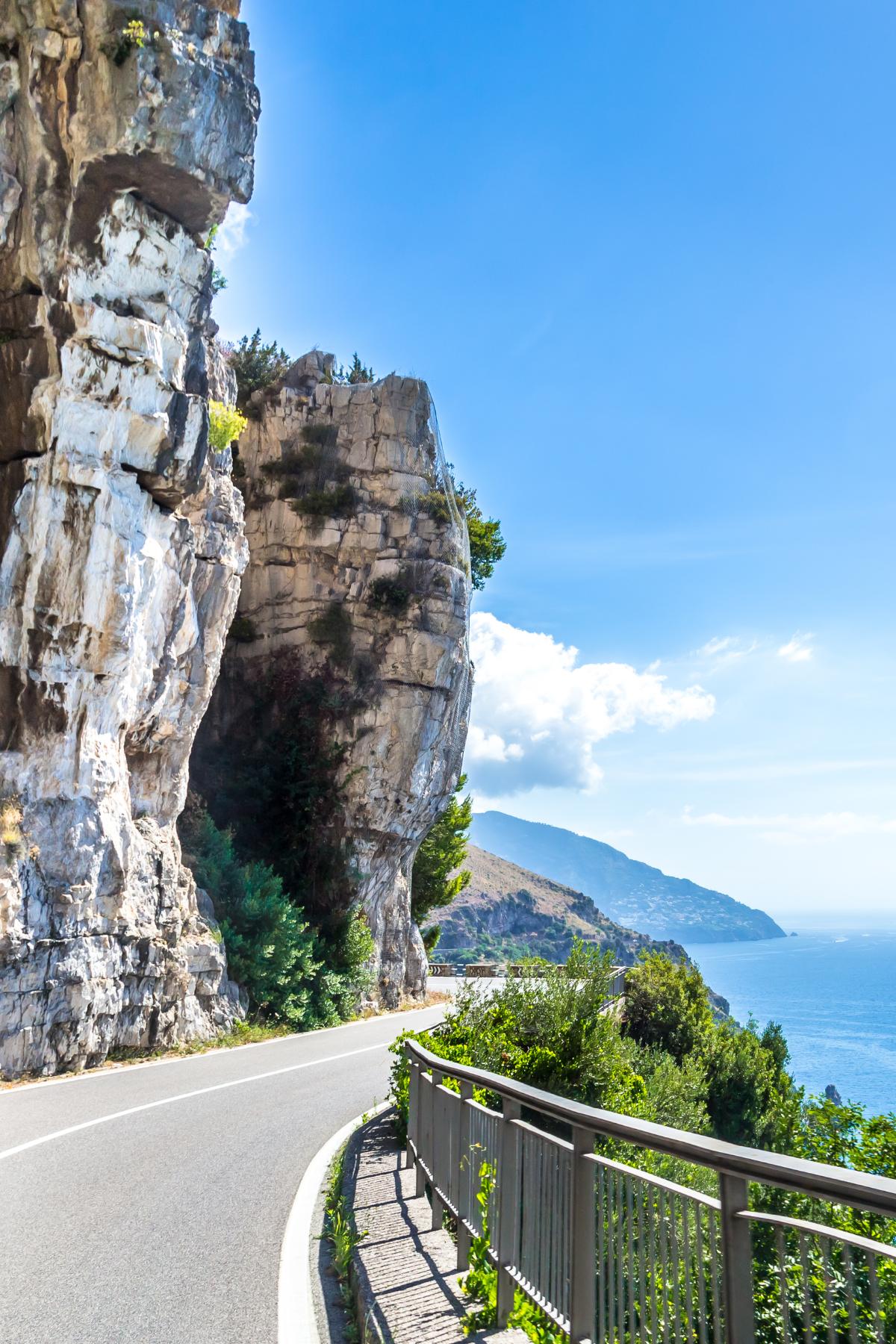
No Trains: Curiously, for such a well-travelled route, the Amalfi Coast has no direct train line. If you're planning on going, you'll be traveling by bus or ferry - that's part of the charm, right?
Where to Stay in Amalfi Town
Stay higher up → better views, more stairs
Stay near the center → easiest for ferries and restaurants
Pros and Cons of Staying in Amalfi
Pros:
- Central location
- Easy transportation
- Walkable
Cons:
- Crowded during the day
- Less "luxury vibe" than Positano
Checking Into My Hotel
Booking.com had delivered me to the Hotel Croce Di Amalfi, a place with rave reviews for its vista - the old town and the sparkling Med. In a 19th-century building, it serves up old-world flair with modern-day amenities and is just an easy, picturesque walk from the grand cathedral and the beach, down a pebbled staircase.
It was my own echo chamber, where I had my very own flat-screen, free wireless internet, all conveniently encapsulated within a cocoon of soundproof walls and a mini-bar fully stocked with any and all libations I could dream of. I had a balcony, and had snagged a spa tub, my ultimate coup after a day spent pounding the cobblestones. The breakfast was continental, served in a room with an arched ceiling and old-fashioned tiled floors, and it was all quite very, very good.
The Best Hotels in Amalfi, Italy
The Hotel Croce Di Amalfi is not the only little refuge in the Italian town of Amalfi, and the town itself is not the only spot along the Amalfi Coast that rewards you with all the requisite finery for relaxing or exploring this sweeping part of the Italian Riviera.
Santa Caterina is not just a place to sleep. It is an escape. A five-star 'hotel', it has a private beach you can spiral down to in an elevator, a saltwater pool where you can gaze out to sea for what seems like forever, and a spa to ward off any lingering stress from the real world. The rooms? Marble-lined bathrooms and balconies that hang over the sea. If you're feeling fancy, shell out for a suite with your own heated pool. It's your oasis on the edge of all that madness, just a short walk from Amalfi's center.
Borgo Santandrea perches on the cliffs like a movie set, delivering a private beach, saltwater swimming pool and therapies that will calm the restless soul. The rooms and suites are havens, with marble bathrooms and some that extend from the cliff edge with views of the sea. Those who want to go all the way can choose suites with heated infinity plunge pools. Yet it's all less than a 10-minute jaunt from the centre of Amalfi.
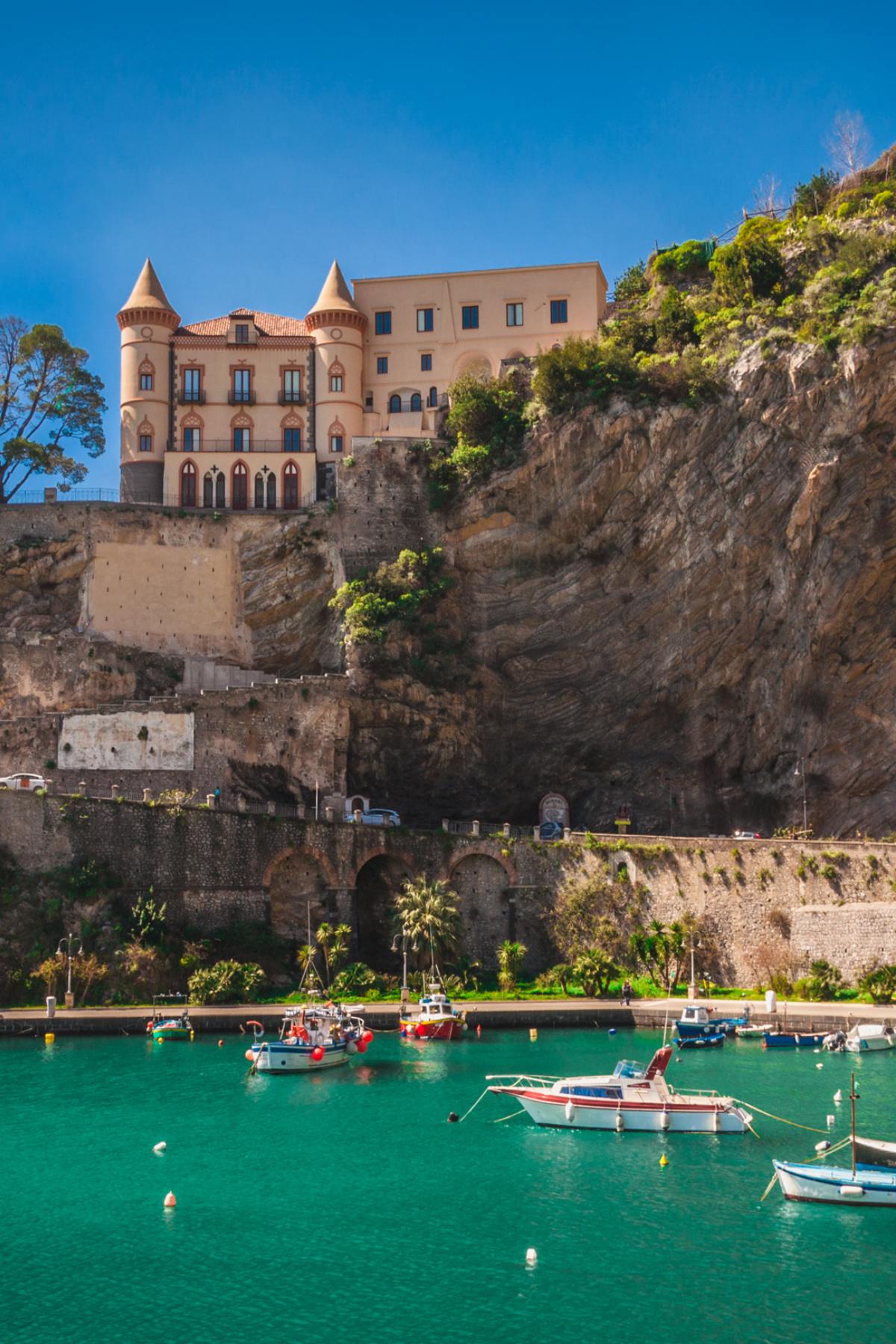
Hotel Luna Convento isn't your standard seaside B&B: it's an 800-year-old former Franciscan monastery swathed in elegant Moorish design, where you can eat in a sea-view Mediterranean restaurant with faint, monk ghosts for company, dip into a saltwater pool, or dine in an old tower that's seen centuries flash by. And from here it's just a short amble into Amalfi's lively town center.
Street Eats and Handcrafted Treats
The heartbeat of Amalfi's streets is 'Cuoppo di Amalfi' - a selection of fried seafood in a cone of paper, the ultimate street food and emblem of the Mediterranean lifestyle. It is a testimony to how seafood is a constant companion on the table, and a feeling shared by locals and visitors to the coast.
And then there is Limoncello, the spirit of the coast in a liquid. Sweet and tart in each sip, it reflects the artisanal traditions that the locals hold dear. Look for a bottle with the Protected Geographical Indication label; it's your passport to the authentic Amalfi.
Dining by the Shore at Marina Grande
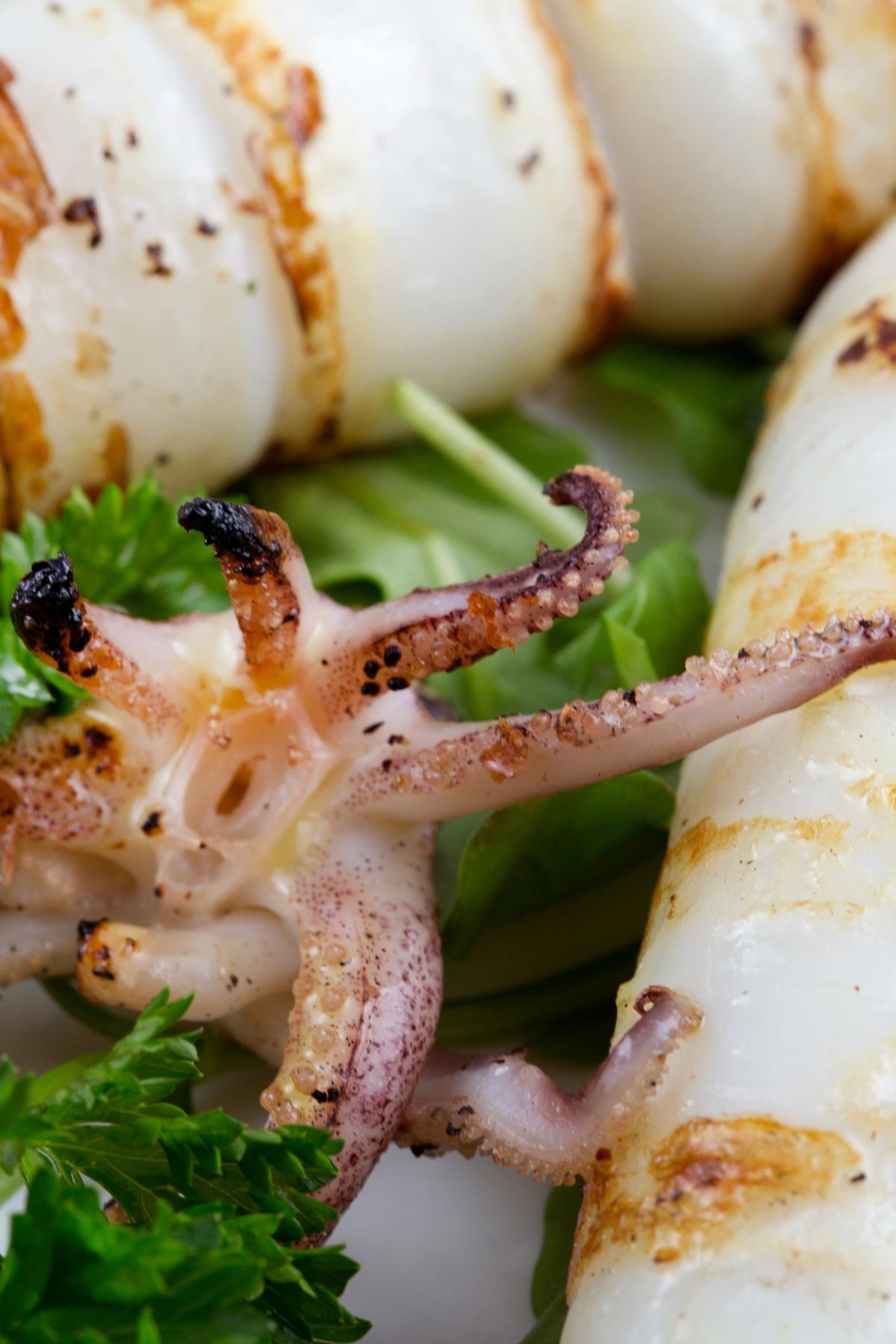
The last stop on my voyage was Marina Grande, a more upmarket restaurant overlooking the beach. This meal started with some exceptional calamari, which just kept getting better and better. Then came a spectacular lobster salad, and a plate of deep-fried calamari smothered in tomato sauce, accompanied by crusty bread to mop up that delicious tomato sauce.
Where to Eat in Amalfi, Italy
If you're stuffing yourself in Amalfi in Italy, be sure to stop in at Ristorante La Piazzetta. Italian is the cuisine of choice, with special attention paid to seafood and Mediterranean flavours. A cosy local feel with an influx of travelers, this location is one you don't want to miss when visiting.
Taverna Buonvicino delivers a high-grade slick modern Italian and Mediterranean blend, in an atmosphere that's as relaxed as it is urbane. It's the kind of place that would never spurn the old ways, but might season them with a sprinkle or two of the new.
Across the way at La Capannina you're in a low-key place with pizzas and seafood that scream authenticity. It's a bare-bones operation, so family-oriented that it is packed on weekend nights with families eating unpretentious, delicious food that pleases the locals.
The Best Things to Do in Amalfi, Italy
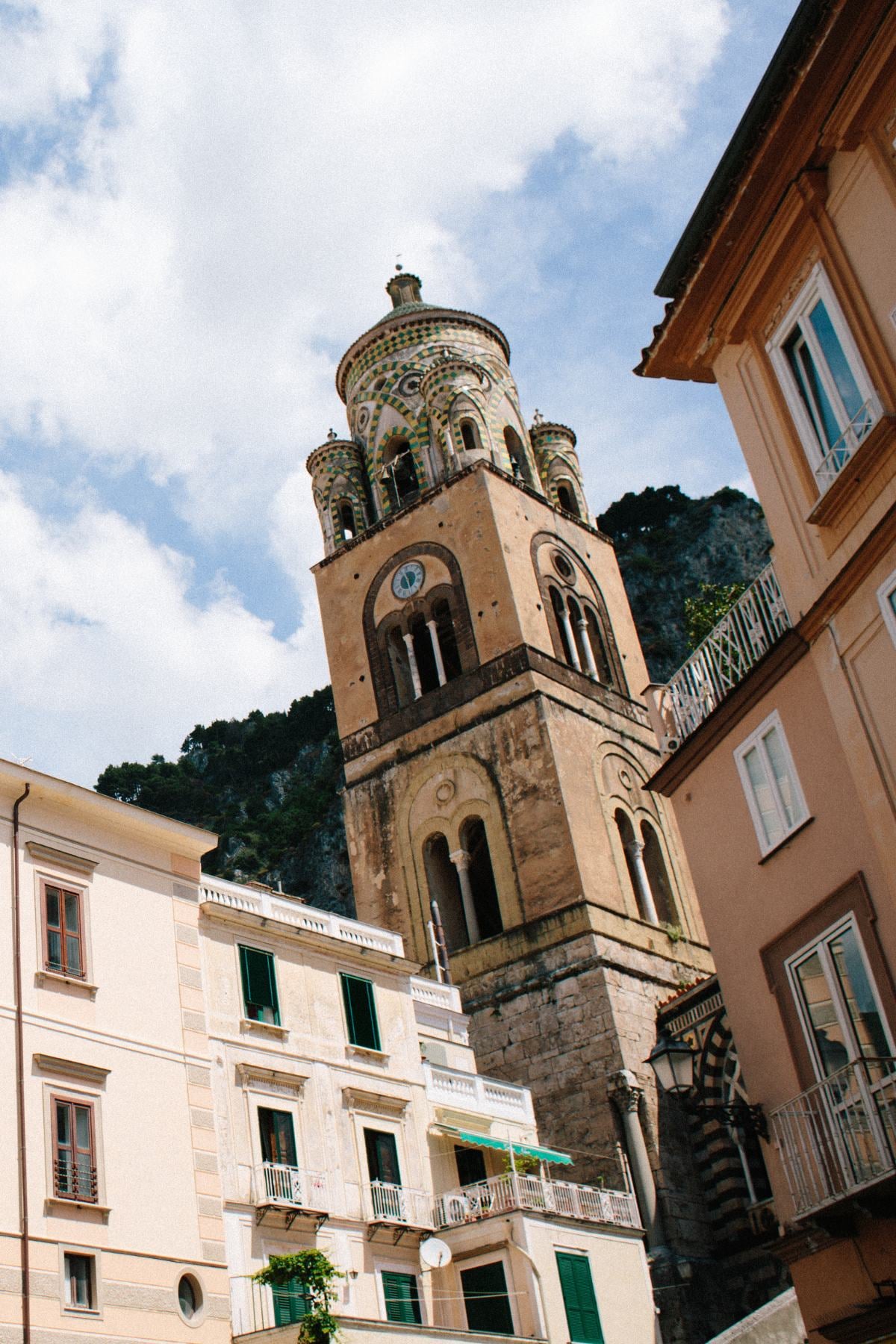
Visit the Duomo di Sant'Andrea
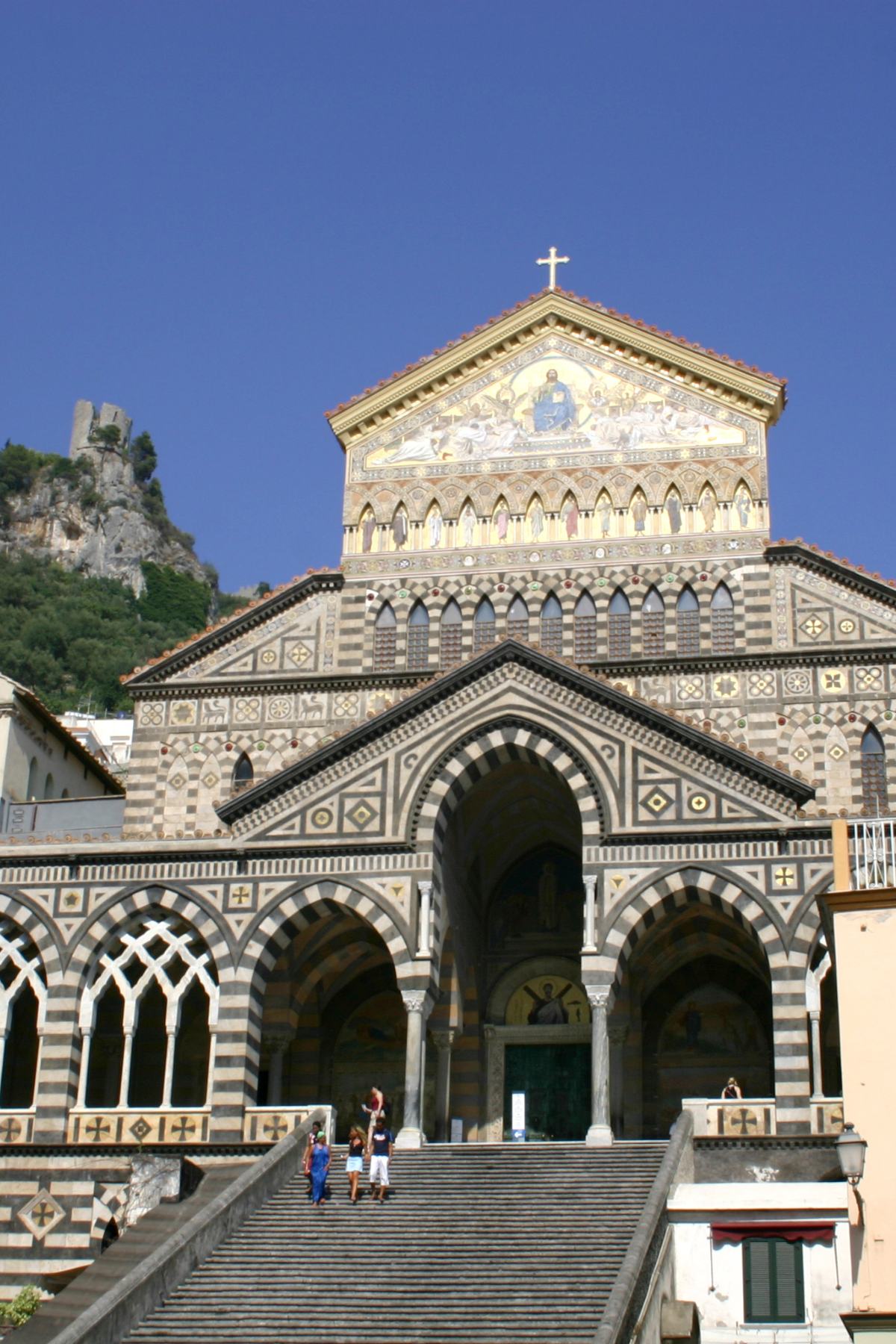
You'll see the Duomo the second you walk into town. The staircase is iconic, and it's worth going inside to see how detailed it is.
My tip:
Go early in the morning or later in the evening when the square is quieter. Midday gets packed.
🇮🇹 Did You Know?
Unique Architecture and Churches: Amalfi's churches are a bouillabaisse of styles: Gothic, Renaissance, Baroque, with a pinch of Arab thrown in for good measure. Many of the sanctuaries, once the dues of rich families, are now shops and hotels, a different kind of devotion.
Check out the Museo della Carta
Amalfi was once known for paper production, and this museum shows how it was made using old machinery.
It's small but interesting, especially if you want something different from the typical sightseeing.
Explore Valle delle Ferriere
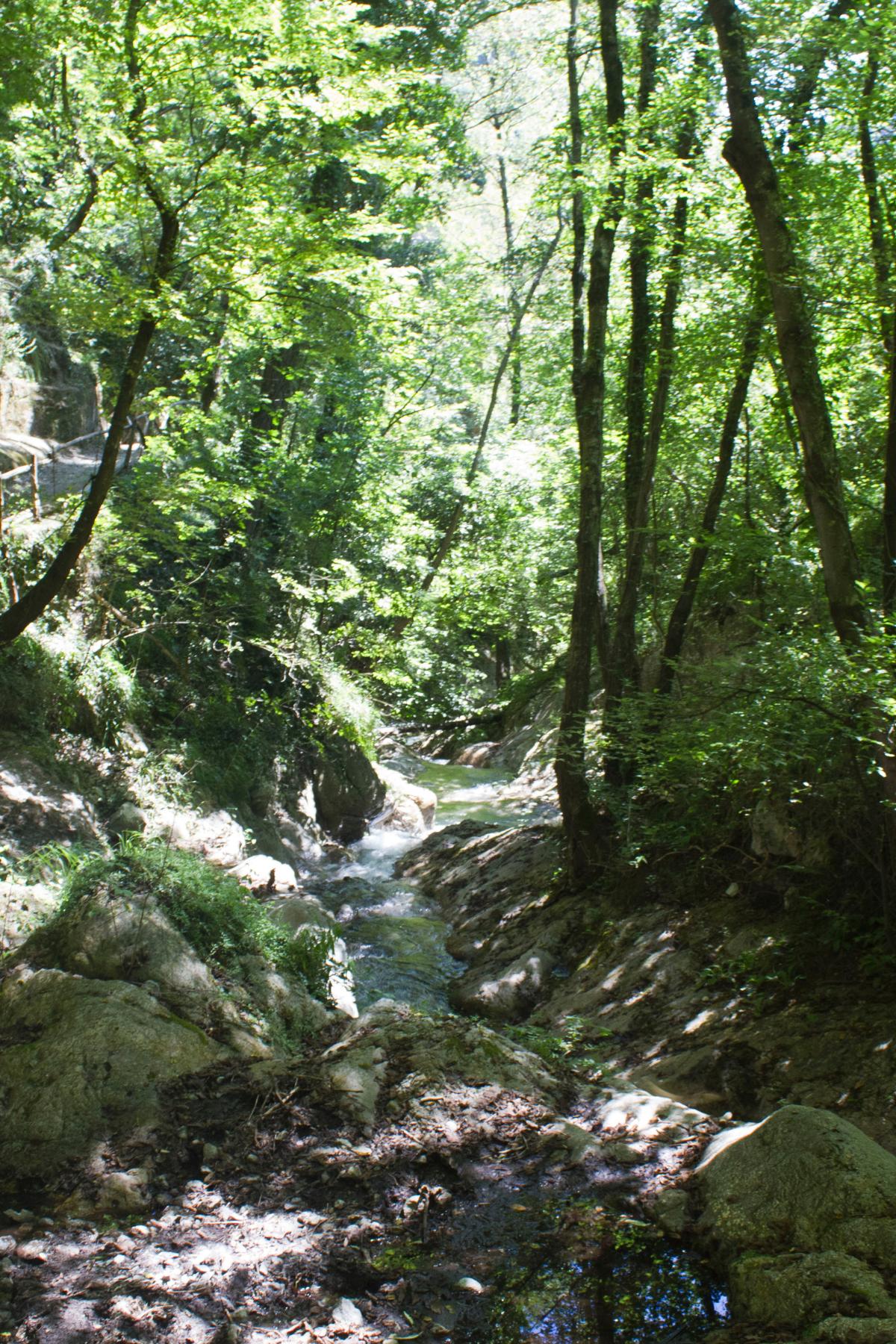
If you want a break from the crowds, this hike is worth it.
You'll walk through a green valley with waterfalls, lemon groves, and old mill ruins.
What to know:
- Easy to moderate hike
- Stays cooler than the coast
- Wear proper shoes
My take:
This is one of the best things to do near Amalfi if you want something quieter.
Unwind on Maiori Beach
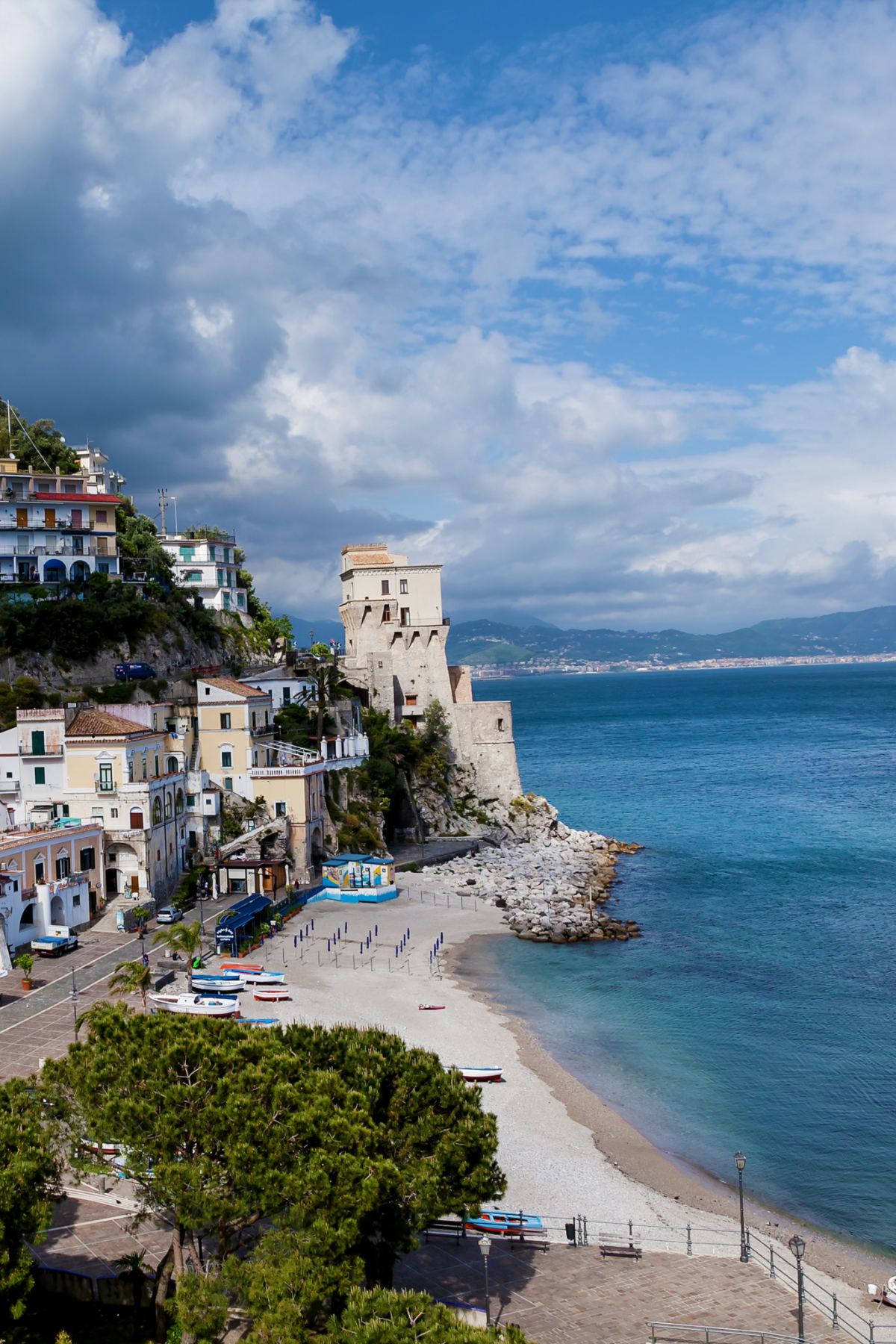
Maiori has one of the longest sandy beaches on the Amalfi Coast, which is rare here.
It's easy to access and more relaxed than the smaller beaches in Amalfi.
My take:
If you actually want a beach day, I'd come here instead of staying in Amalfi.
Experience the Chiostro del Paradiso
Right next to the cathedral, this quiet cloister is easy to miss but worth stepping into.
The arches and columns give it a completely different feel from the busy square outside.
Enjoy a Scenic Drive
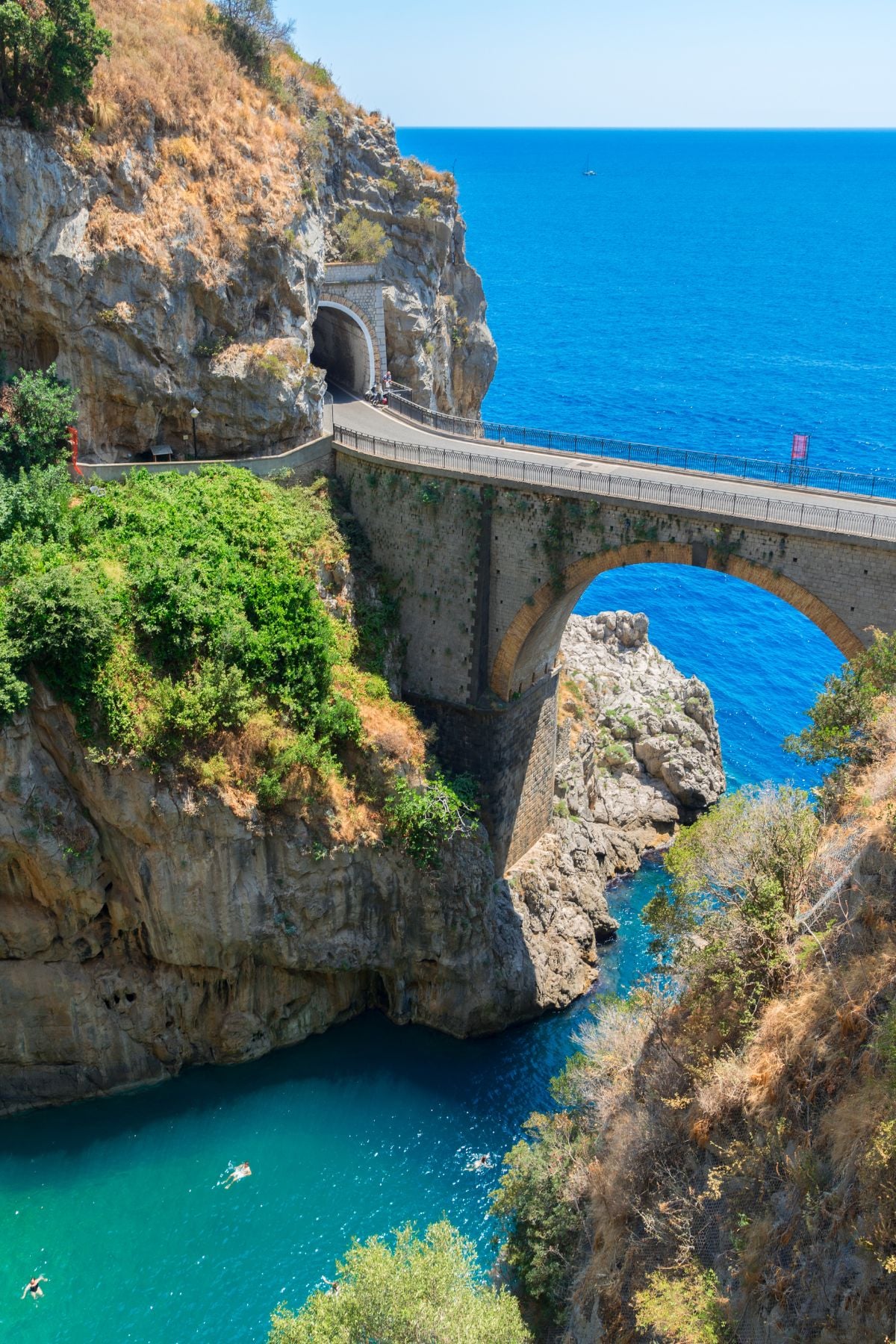
Driving along the Amalfi Coast is an experience on its own.
The road winds along the cliffs with constant views of the sea, passing towns like Positano and Ravello.
What to know:
- Roads are narrow and busy
- Parking can be difficult
My take:
If you don't want to deal with the stress, hire a driver and just enjoy the views.
Visit Villa Cimbrone Gardens in Ravello
Located in Ravello, this is one of the most beautiful viewpoints on the Amalfi Coast.
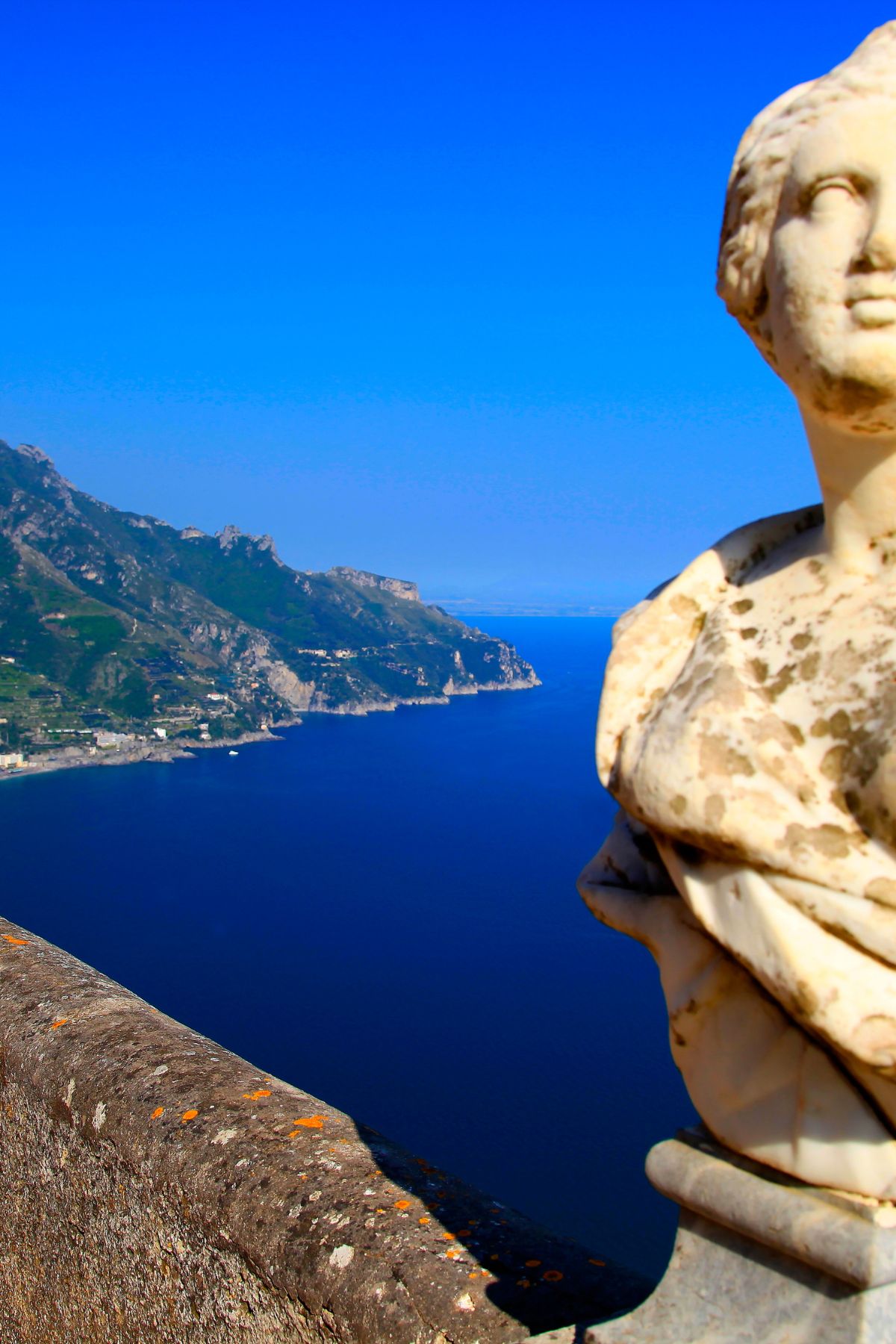
The Terrace of Infinity is the highlight, with panoramic views over the sea.
My take:
If you're visiting Ravello, this is a must.
Is the Amalfi Coast Really Expensive?
Short answer: yes, but it depends on how you travel.
The Amalfi Coast has a reputation for being one of the most expensive places in Italy, and in peak season, that's true. Prices go up fast, especially in towns like Positano and during July and August.
Is Amalfi or Positano Better?
Which is better, Amalfi or Positano? It depends on what you're into. Positano is for the aesthetics professionals and party crowd, a dramatic cliff-hanger of a hamlet twinkling with bars and queues of preened punters (that's British for a well-groomed patron) - beautiful, yes, but a thick wallet and stamina for stairs are must-haves.
Amalfi, like your more easygoing cousin with a story to tell, acts as a seductive chanteuse of history and budget sandals, appreciated for its flat-footedness by families or those seeking an easier pace. Both serve up the best of coastal Italian life in the way of sand, sea and culture, but the struggle is between Positano's high life or Amalfi's historical heartbeat.
How Many Days in Amalfi, Italy is Enough?
The sweet spot for saturating the Amalfi Coast? Most seasoned travellers will tell you about three to five days.
That's long enough to check off the marquee towns - Positano, Amalfi, Ravello - without the whole thing feeling like a mad sprint. Three days will let you soak in the panoramas and absorb the local culture. Stretch it to five, and that's more time to slow down, hike the Path of the Gods, wander off to quieter towns such as Maiori and Cetara, and maybe even take a day to hop over to Capri.
If you're crunched for time, you can do a three-day flyby. If you're a slow traveller - someone who wants to immerse themselves into the slow coastal life - stretching your stay to seven or 10 days can be a transformative experience. More towns to explore, more local dishes to sample, more sunsets to chase. It's a matter of calibrating your travels to your travel needs - whether you're there for sun-worship or discovery or feasting.
Summary and Final Thoughts
I visited the Amalfi Coast in May, and it knocked me sideways. Amalfi is not a place, it is an experience; a visceral encounter laden with cultural density and emotional force.
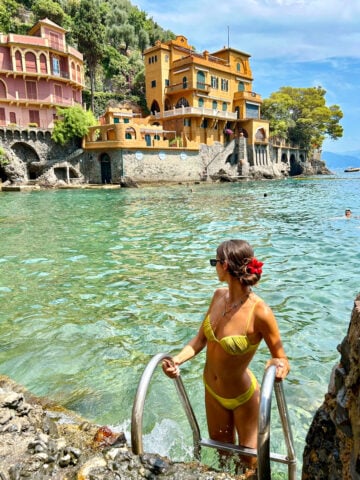
Driving the roads, with their cliffs that slump into the sort of teal-blue water you see only in movies, was like passing through a portal into a land where every turn of the road would find you in a postcard, and every meal your best.

Hi. Love your site. My wife and I are wanting to vacation here September 28th- October 3rd 2026. Do you think this would be a good time to visit? Will places be closed in October?
Thank you for your help.
Lindsey
Hi Lindsey! Thank you so much. September 28th to October 3rd is a lovely time to visit. It should be calmer than summer, but still pleasant for sightseeing, walking around, and enjoying meals outside.
Most places should still be open, though some seasonal beach clubs or smaller seaside spots may start reducing hours in October. I’d book anything you really want to do in advance. I also have a few Amalfi Coast posts on the site that may help you plan!