
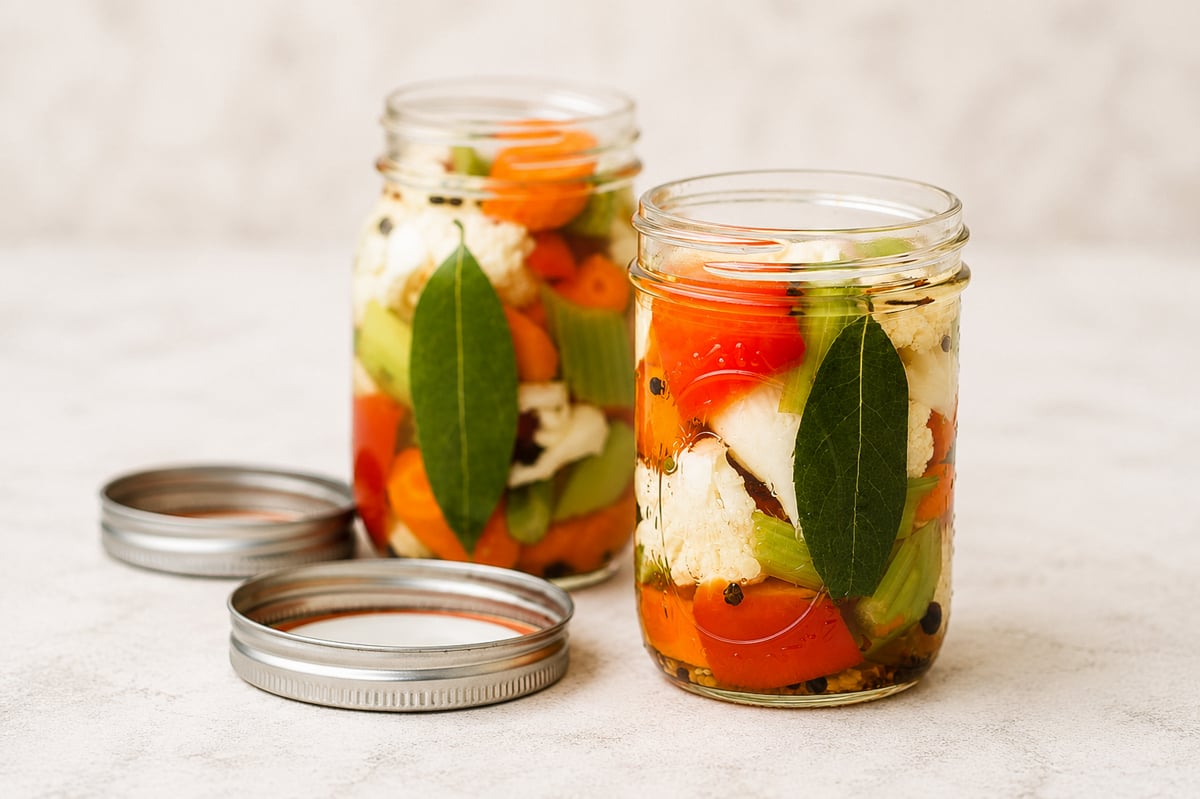
This homemade giardiniera recipe is crunchy, tangy, and ready to go on everything. Make it spicy or mild, refrigerator-style or properly canned for the pantry.
If you love this kind of preserving, you will also want my Easy Pickled Jalapeños and my Easy Pickled Cucumbers - both are quick refrigerator pickles you can have ready in 24 hours.
This article contains affiliate links which support us at no extra cost to you.
Jump To
This giardiniera recipe is one of those things that once you make it yourself, you will never reach for the jarred store version again. Giardiniera - pronounced jar-din-EAR-ah - means "from the garden" in Italian, and the homemade version tastes exactly like that: bright, crunchy, alive with vinegar and spice in a way that a shelf-stable commercial jar simply cannot replicate.
I grew up eating giardiniera as a condiment on everything Italian and I still keep at least two jars in my refrigerator at all times. This recipe is a classic Italian pickled vegetable mix - cauliflower, carrots, celery, peppers, and olives - brined with white wine vinegar and layered with whole spices. You can make it mild or aggressively spicy. Both versions disappear fast.
What Is Giardiniera?
Giardiniera is a traditional Italian condiment of pickled mixed vegetables preserved in vinegar and oil. In Italy, the vegetables are often left in large pieces and served on antipasto platters or alongside cured meats.
Italian immigrants brought giardiniera to Chicago in the late 1800s, where it became the city's defining condiment - hot giardiniera on an Italian beef sandwich is now an institution.
The Italian and Chicago versions differ in one key way: Italian giardiniera is typically preserved in olive oil. The Chicago style uses a vinegar brine. This recipe uses both - a proper vinegar brine for preservation and a drizzle of olive oil in each jar for richness and flavor.
Why Make It at Home?
- The flavor is incomparably better. Homemade giardiniera is crisp and alive. Store-bought has been sitting in brine long enough that the vegetables go limp and the flavors flatten.
- You control the heat. Want it blazing hot? Add more serrano peppers and a heavy hand with the chili flakes. Want it completely mild for kids? Leave both out entirely. The base recipe works either way.
- You choose the vegetables. The mix here is classic, but giardiniera welcomes substitutions - pearl onions, green beans, banana peppers, zucchini. Use what your garden is giving you.
- It lasts for months if you can it. Make a big batch in summer and eat it all winter. The canning method is simple and uses only a water bath - no pressure canner required (but can't be canned with the olive oil).
Ingredient Notes
All over Italy, you will find the base ingredients of cauliflower, carrots, celery, small onions (cipolline), sweet peppers, and green beans. Giardiniera was always made, and still is, as a way to preserve summer's bounty.
All the extra summer vegetables that are grown in gardens are preserved so that they can be enjoyed in the fall and winter. My Calabrian mother-in-law makes hers with green tomatoes, zucchine, white and green beans. My nonna and aunts in Sicily would also include fennel in their giardiniera. Here is what I included in mine:
Vegetables
Here is what I included in mine:
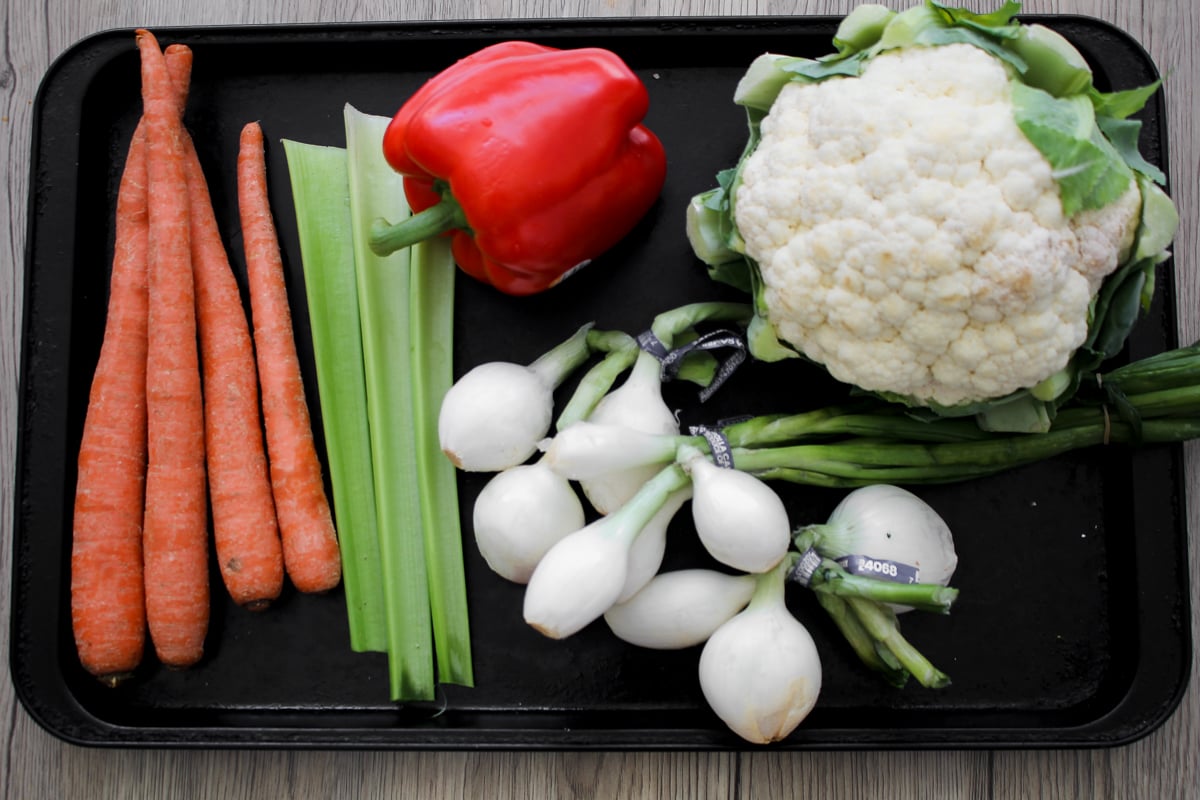
- Carrots: Bright orange carrots add color and snap to giardiniera, plus a touch of sweetness.
- Cauliflower: My cauliflower was pretty big, so I need to use only ½ of it. You can also use a purple cauliflower if you can find one to add gorgeous color to the giardiniera.Celery: No giardiniera recipe is complete without the juicy crunch of celery.
- Green beans: (optional) My nonna always put green beans in her giardiniera. So does my mom. I skipped it this time, but feel free to add some in.
- Onions: I used pearl onions. If you can get cipollini, use those. When I'm in Italy, it's obviously very easy to find them at any market, and use them. Pearl onions work perfectly fine in this giardiniera. Scallions also work fine.
- Sweet bell peppers: Any color of bell peppers work fine. I chose to use red. But yellow or green would also add some lovely color.
- Spicy peppers: This is totally optional, but you can add in a touch of spice with some sort of hot pepper. My nonna did not use hot pepper, but I have definitely had homemade versions including it.
Giardiniera Brine
I prefer a mostly sour brine, with lots of spices and just a touch of sugar, for my giardiniera.
- Vinegar: You can use white wine vinegar or distilled white vinegar. You could even use a combination of the two types, depending on what you have on hand. The flavor profile of the brine will change slightly depending on which one you use (or if you use ½ and ½ of each), and either way, is always delicious.
- Water: Make sure to use filtered or spring water.
- Sea salt: Sea salt or kosher salt both work well here. The salt seasons the vegetables while helping them keep their fresh, crisp texture.
- Sugar: A small amount of sugar softens the sharpness of the vinegar and brings out the vegetables' natural sweetness without making the giardiniera taste sweet.
- Spices: To keep it with a Sicilian touch, you could use bay leaf, black peppercorns, coriander seed, fennel seed, and a little dried chili. I usually add a bit of cloves, because that's how my dad made it, which is how my Sicilian nonna made it. My Calabrian mother-in-law would use oregano. Whole black peppercorns, crushed red pepper, whole cloves, juniper berries, and dried bay leaf add an aromatic, warming quality to the brine, infusing the vegetables with flavor.
- Extra-virgin olive oil, optional: A small drizzle of olive oil adds richness and mellows the tangy vinegar brine, but the giardiniera is just as delicious without it.
How to Make Homemade Giardiniera
Gather all your ingredients.
Prepare the jars and vegetables
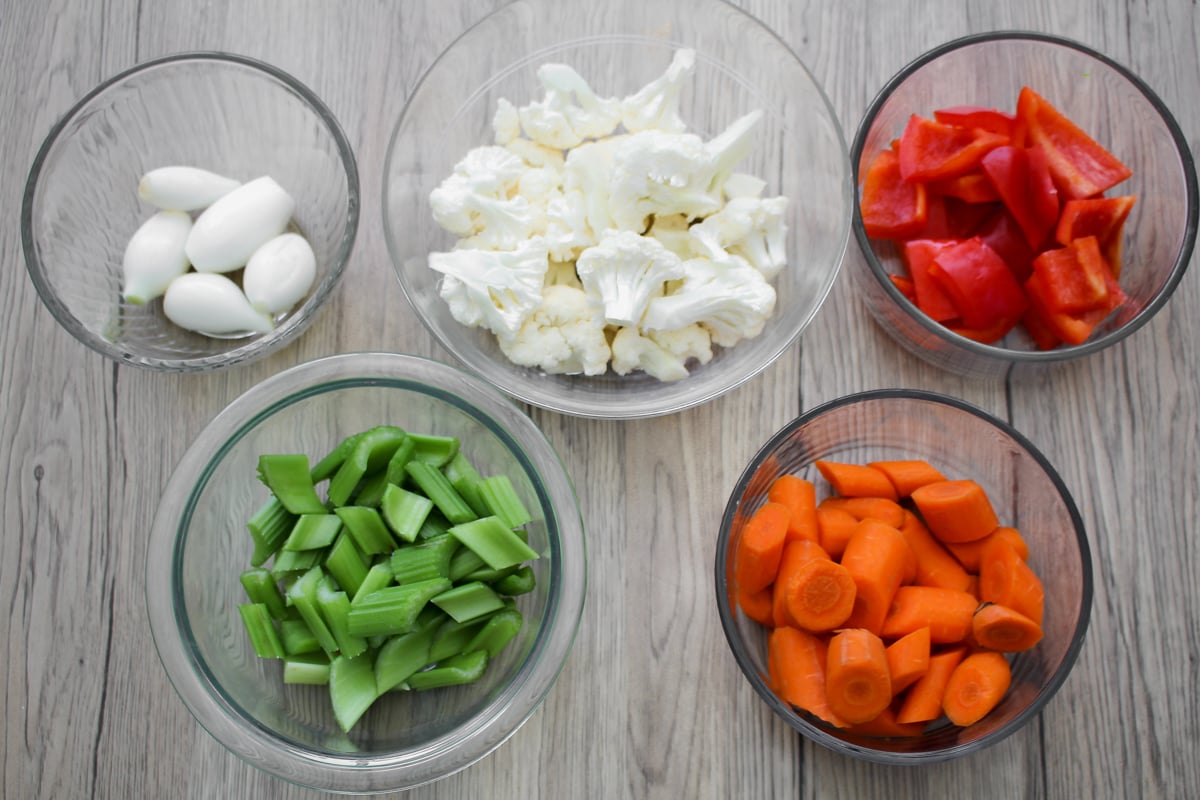
Wash and slice all the vegetables, then place them in a large mixing bowl. Set out three clean pint-sized jars.
Add the seasonings
Combine the peppercorns, red pepper flakes, pickling spice, cloves, and juniper berries in a small bowl. Divide the spice mixture evenly among the jars.
Make the brine
Pour the white wine vinegar, distilled vinegar, and water into a large pot. Add the salt and sugar and set the pot over medium heat. Bring the brine to a boil, stirring until the salt and sugar dissolve completely.
Give the vegetables a quick hot soak
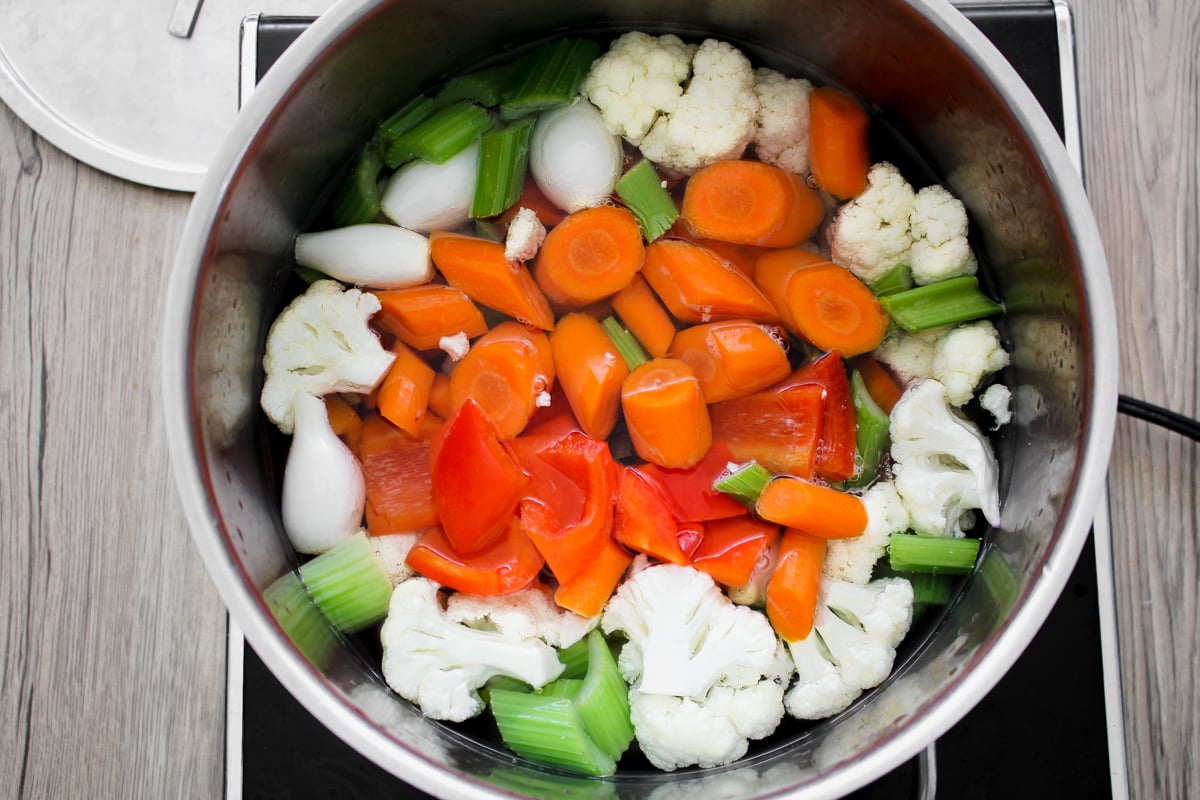
Take the pot off the heat and carefully stir in the prepared vegetables. Cover the pot and leave them in the hot brine for about 1 minute, just long enough to slightly soften them without losing their crunch.
Transfer the vegetables back to the bowl with a slotted spoon, leaving the brine in the pot.
Fill the jars
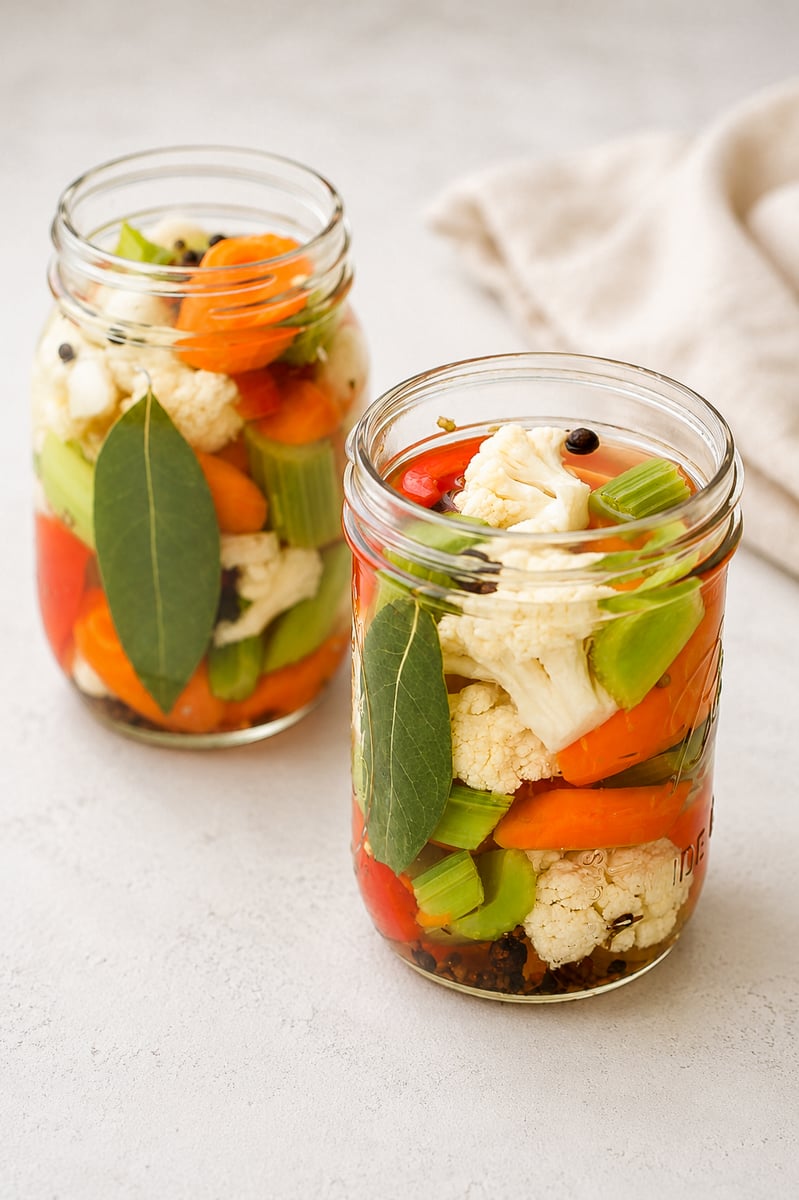
Divide the vegetables among the jars, making sure each one gets a good mix. Pack them in snugly without pressing hard enough to crush them. Add a bay leaf to the side of each jar.
Pour in enough brine to cover the vegetables, leaving about ½ inch of space below the rim. Finish each jar with 1 tablespoon of olive oil, if using. Leave out the oil when processing the jars in a water-bath canner.
Seal the jars tightly, then gently tilt each jar a few times to help distribute the spices.
Rest and refrigerate
Leave the jars upright at room temperature for 24 hours, then transfer them to the refrigerator.
You can enjoy the giardiniera sooner, but the flavors develop even more after several days. Keep the jars refrigerated, make sure the vegetables stay submerged in the brine, and enjoy within 4 to 6 weeks for the best flavor and texture.
How to Use Giardiniera
Giardiniera is endlessly useful - the list of what it cannot improve is short. Here is how I use it most:
- Antipasto platters: Alongside cured meats, aged cheeses, and olives, a bowl of giardiniera is a classic Italian table presence. Leave the pieces large for this.
- Sandwiches and Italian beef: Finely chop the giardiniera and pile it on Italian beef sandwiches, muffulettas, or any deli sandwich that needs a punch.
- Pasta salad: Tossed into my Mediterranean Chickpea Pasta Salad it adds exactly the kind of briny crunch that makes pasta salad genuinely exciting rather than forgettable.
- Pizza: Scatter chopped giardiniera over pizza after it comes out of the oven. The heat from the pizza is all it needs.
- Eggs: Fold into scrambled eggs or spoon over fried eggs. This combination was how my Italian family stretched a small amount of giardiniera into a full meal.
- Burgers and hot dogs: Chicago style - pile it on and do not apologize.
Storage
Refrigerator giardiniera (not canned): let sealed jars sit at room temperature for 1 to 2 days before refrigerating. Keeps refrigerated for up to 2 weeks after opening. The olive oil will solidify in the fridge - this is normal and does not affect the flavor; it liquefies again at room temperature within a few minutes.
Water bath canned: store in a cool, dark pantry for up to one year. Refrigerate after opening and use within 2 weeks.
More Pickling Recipes
- Easy Pickled Jalapeños - Six ingredients, 20 minutes, ready in 24 hours.
- Easy Pickled Cucumbers - Crisp, garlicky refrigerator pickles.
- Easy Pickled Thai Chili Peppers - For serious heat.
- Pickled Watermelon Rind - Sweet, tangy, and a great way to use the whole watermelon.
Did you make this and love it? Please RATE THE RECIPE below:)
I would LOVE IT if you can leave me a star rating and a review down below and let me know your thoughts! It means the world to me to hear how you liked it.
Please Subscribe and give a follow on Instagram, Facebook, Pinterest, and TikTok xx
Easy Homemade Giardiniera Recipe (Spicy or Mild)
Equipment
- 1 Large bowl
- 3 pint sized jars
Ingredients
- ½ medium head cauliflower cut into bite-sized florets
- 4 medium carrots (about ½ pound), peeled and sliced crosswise into ½-inch pieces
- 3 celery stalks sliced crosswise into ½-inch pieces
- ¼ pound pearl onions peeled and left whole
- 1 medium red bell pepper pepper, cored, seeded and sliced, then the bigger slices cut in half
- 2 cups white wine vinegar
- 1 cup spring water or filtered water
- 1 Tablespoon sea salt or kosher salt
- 1 Tablespoon sugar
- ½ teaspoon whole black peppercorns
- ¼ teaspoon coriander seeds
- ½ teaspoon red pepper flakes can be omitted
- ¼ teaspoon whole cloves
- ¼ teaspoon whole juniper berries
- ¼ teaspoon fennel seeds
- 3 dried bay leaves
- 3 Tablespoons extra-virgin olive oil
Instructions
Prepare the jars and vegetables
- Wash and slice all the vegetables, then place them in a large mixing bowl. Set out three clean pint-sized jars.
Add the seasonings
- Combine the aromatics in a small bowl (bay leaves will get added with the vegetables). Divide the spice mixture evenly among the jars.
Make the brine
Give the vegetables a quick hot soak
- Take the pot off the heat and carefully stir in the prepared vegetables. Cover the pot and leave them in the hot brine for about 1 minute, just long enough to slightly soften them without losing their crunch.
- Transfer the vegetables back to the bowl with a slotted spoon, leaving the brine in the pot.
Fill the jars
- Divide the vegetables among the jars, making sure each one gets a good mix. Pack them in snugly without pressing hard enough to crush them. Add a bay leaf to the side of each jar.
- Pour in enough brine to cover the vegetables, leaving about ½ inch of space below the rim. Finish each jar with 1 tablespoon of olive oil, if using. Leave out the oil when processing the jars in a water-bath canner.
- Seal the jars tightly, then gently tilt each jar a few times to help distribute the spices.
Rest and refrigerate
- Leave the jars upright at room temperature for 24 hours, then transfer them to the refrigerator.
- You can enjoy the giardiniera sooner, but the flavors develop even more after several days. Keep the jars refrigerated, make sure the vegetables stay submerged in the brine, and enjoy within 4 to 6 weeks for the best flavor and texture.
Nutrition Disclaimer
Please keep in mind that the nutritional information presented below is an approximation and may vary depending on the exact ingredients used.
Notes
- Vegetables: Cut the vegetables into similar-sized pieces so they pickle evenly and fit easily into the jars.
- Vinegar: Use vinegar with at least 5% acidity. You can use all distilled white vinegar or a 50/50 mix of distilled white vinegar and white wine vinegar for a slightly softer, more rounded flavor. Do not reduce the total amount of vinegar or change the vinegar-to-water ratio.
- Pickling spice: To keep things simple, you can replace the individual spices with a prepared pickling spice blend. Use about 1 to 2 teaspoons, then check the label before adding extra bay leaves, red pepper flakes, or other spices already included in the mix.
- Spices: Adjust the red pepper flakes to suit your taste. For a more traditional Southern Italian flavor, add dried oregano, garlic, or Calabrian chili. The red pepper flakes could also be omitted.
- Hot peppers: Add sliced hot peppers for extra heat. Calabrian chilies, serrano peppers, jalapeños, or small red chili peppers all work well. Remove the seeds for a milder giardiniera, or leave them in for more spice.
- Oil: The olive oil is optional and adds a smoother, richer finish. Leave it out if you plan to process the jars in a water-bath canner.
- Jars: Use clean jars and lids. Pack the vegetables snugly, but do not crush them.
- Brine: Make sure the vegetables remain fully covered by the brine while stored.
- Resting: You can taste the giardiniera after 24 hours, but the flavor improves after several days. For the best results, wait about 1 week before serving.
- Storage: Keep this refrigerator giardiniera chilled and enjoy it within 4 to 6 weeks for the best flavor and texture.
- Serving: Serve it as part of an antipasto platter, spoon it onto sandwiches, or pair it with grilled meats, fish, cheese, and crusty bread.
- Yield: This recipe makes about three pint-sized jars, or roughly 1.4 liters total. The exact yield may vary slightly depending on how tightly you pack the vegetables.

I tried this on an Italian sandwich and now I don’t think I can go back. It adds so much flavor.
I absolutely love this quick and easy giardiniera recipe. I have a dip that I make, and use this in it. So, it's nice to be able to make my own, and I have to buy it at the store. Delicious!!
My nana used to make giardiniera in New Jersey. I used to help her make it when I would be staying with her some summers. I never made it on my own. Now I made your recipe. The flavors remind me of nana's. I can't wait to see next week how the flavors are. I even added fennel how nana used to. Must be from her Sicilian family. Wonderful recipe. Grazie.
This giardiniera is crisp, tangy, and full of bold, pickled flavor. A zesty condiment that adds a delicious kick to any dish!
This is awesome! I live in Chicago, and I'm always looking for a good homemade giardiniera. This is really good.
This was so perfect on our subs last night. I'm keeping this on hand at all times.
I have so much of this coming in right now in my garden. I can't wait to make this!
I absolutely love your idea of adding this Giardiniera recipe to eggs. What a great way to mix things up in the morning!
I stored my jars of giardiniera in the fridge as it disappeared so quickly. We enjoyed it on top of almost everything!
So much better than anything from the store. We love it on sandwiches and in salads.